Couples Therapy as a Communication Boost – When the Connection Needs to Be Rediscovered Through Conversation


Couples Therapy as a Communication Boost – When the Connection Needs to Be Rediscovered Through Conversation
When couples seek therapy, it’s rarely just about arguments or disagreements. More often, it’s about wanting to reconnect — to talk again in a way that feels safe, honest, and respectful. Communication is the heartbeat of any relationship, but over time it can wear down under the weight of stress, misunderstandings, and unspoken emotions. Couples therapy can serve as a communication boost, helping partners rediscover conversation as the place where closeness begins.
When the Conversation Stalls
Most couples go through periods when communication becomes difficult. It might start with small frustrations that go unspoken and eventually turn into repeated arguments or long silences. Many describe the feeling of talking past each other — as if the words no longer land.
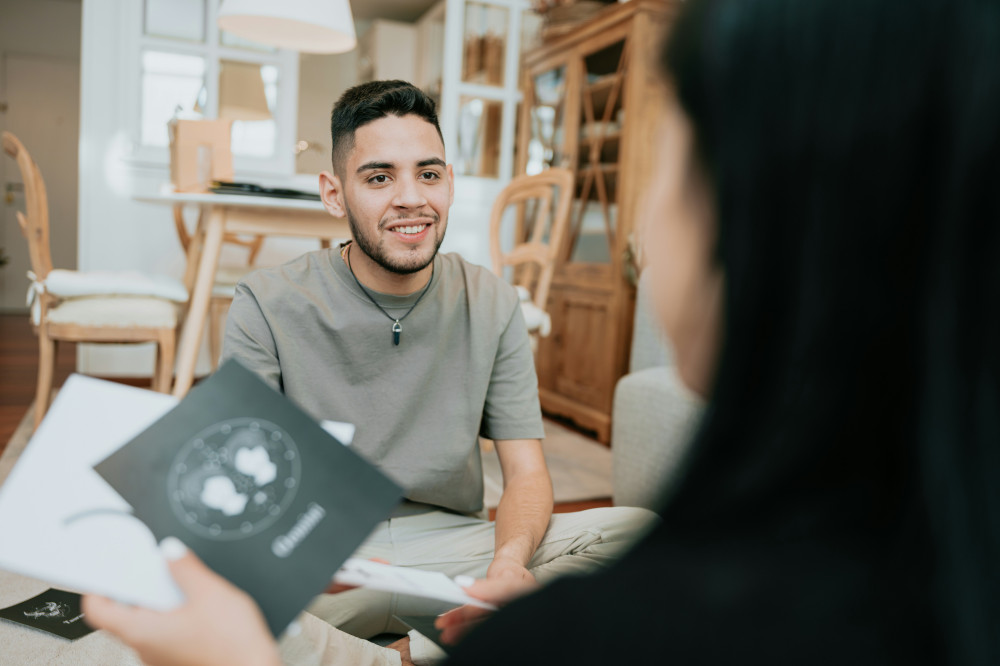
In couples therapy, the conversation itself becomes the focus. The therapist helps create a space where both partners can express themselves without interruption or judgment. The goal isn’t to find a “winner” in the conflict, but to understand each other’s perspectives and needs. When both people feel heard, defenses drop, and genuine dialogue can begin.
Communication as a Skill — Not a Trait
Good communication isn’t something you either have or don’t have. It’s a skill that can be learned and strengthened. In therapy, couples practice active listening, clear expression, and taking responsibility for their own feelings instead of assigning blame.
A key technique is using “I-statements” instead of “you-statements.” For example, saying “I feel overlooked when I’m not heard” instead of “You never listen.” This small shift changes the tone and opens the door to understanding rather than defensiveness. The therapist guides the couple in recognizing these patterns and experimenting with new ways of speaking to each other.
When Feelings Find Words
Behind many conflicts lie emotions that haven’t been expressed — vulnerability, disappointment, or longing often hide behind anger or distance. Couples therapy helps give these emotions a voice. When partners dare to show what’s really behind their reactions, it becomes easier for the other to respond with empathy instead of resistance.
For many couples, it’s eye-opening to realize that the conflict isn’t about “who’s right,” but about wanting to be seen and understood. That realization can mark the beginning of a new kind of closeness — one where partners stop fighting against each other and start working together.
A Safe Space to Practice
Couples therapy isn’t just conversation — it’s also practice. The therapist acts as a neutral third party, helping to keep the discussion on track and providing safety when topics get tough. It’s a place to rehearse talking about the things that usually lead to silence or arguments, and to learn tools for handling them differently at home.
Many couples find that after a few sessions, they start using these techniques in everyday life: listening without interrupting, asking curious questions instead of making assumptions, and taking breaks when discussions get too heated. Small changes like these can make a big difference.
When the Connection Returns
Couples therapy isn’t only about solving problems — it’s about rebuilding connection. When communication improves, a renewed sense of togetherness often follows. Partners begin to see each other with fresh eyes and remember why they chose each other in the first place.
For some, therapy becomes a turning point that brings them back together. For others, it’s a way to part respectfully and with understanding. Either way, open conversation brings clarity and peace — and that, in itself, is a form of healing.
Læs også:



Conversation as the Foundation
A strong relationship isn’t defined by the absence of conflict, but by the ability to talk about it. Couples therapy can help restore that ability — a communication boost that allows partners to meet again as allies, not adversaries.
When connection is rediscovered through conversation, words stop being weapons and become bridges instead. And it’s there, in that renewed dialogue, that love finds room to grow again.
Læs også: