Energy Supplements – When Can They Actually Help?

Energy Supplements – When Can They Actually Help?
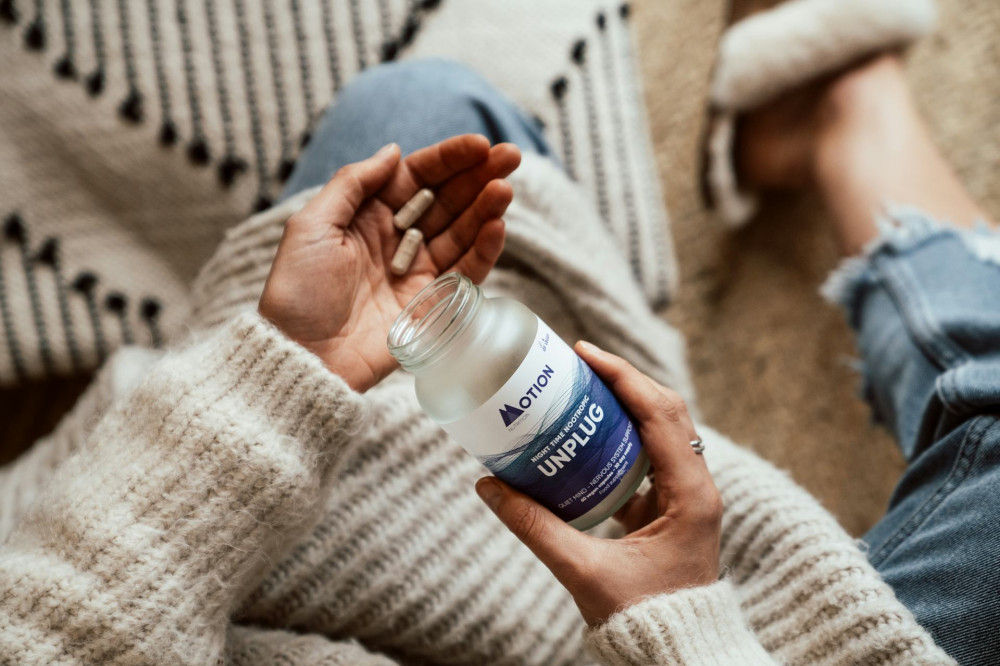
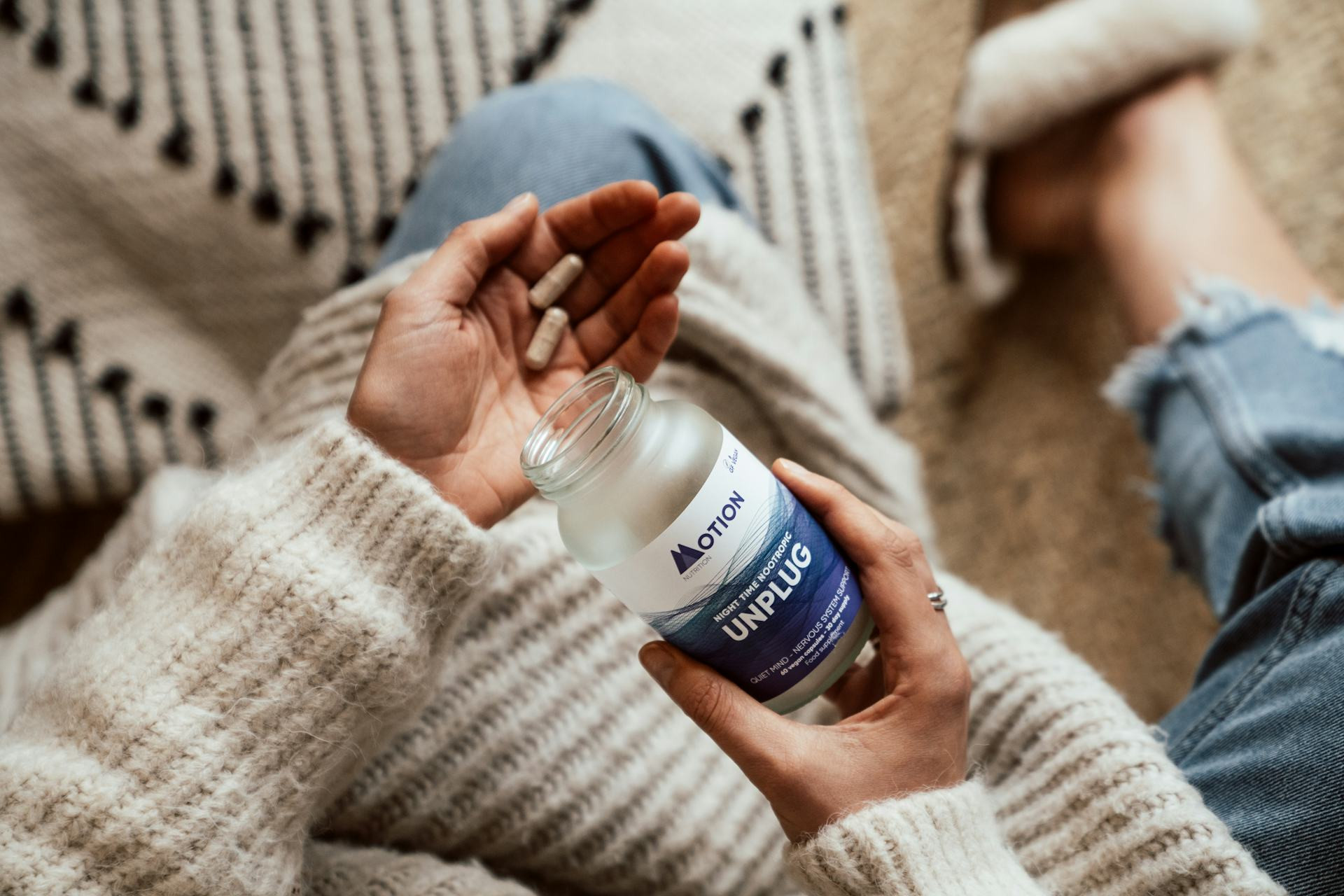
When your energy dips and the day feels like a slog, it’s tempting to reach for a supplement that promises a quick boost. Store shelves and online ads are full of products claiming to fight fatigue, sharpen focus, and restore vitality. But do they really work? And when can they actually make a difference? Here’s what research says—and how to know if an energy supplement makes sense for you.
Fatigue Has Many Causes
Before turning to supplements, it’s important to understand why you’re feeling tired. Fatigue can stem from many factors: lack of sleep, stress, poor diet, dehydration, illness, or even overtraining. In many cases, low energy isn’t about missing nutrients—it’s about lifestyle habits.
If you experience persistent tiredness, talk to your healthcare provider. A simple blood test can reveal whether you’re low in iron, vitamin B12, vitamin D, or other nutrients. Supplements are most effective when they correct a documented deficiency—not when they’re used as a quick fix.
Common Energy Supplements – and What They Actually Do
There’s no shortage of products marketed for “energy.” Here are some of the most common ones and what science says about them.
- Iron: Essential for carrying oxygen in the blood. Iron deficiency can cause fatigue, dizziness, and poor concentration. Supplements can help if you’re deficient, but too much iron can be harmful—so only take it under medical supervision.
- B Vitamins: Especially B12 and folate, which play key roles in energy metabolism. Deficiency is more common among vegetarians, vegans, and older adults. A supplement can help if your diet doesn’t provide enough.
- Vitamin D: Low levels are common, especially in northern states during winter. While vitamin D doesn’t directly boost energy, deficiency can cause muscle weakness and general fatigue.
- Magnesium: Involved in hundreds of biochemical reactions, including energy production. Deficiency is uncommon but can occur with poor diet, certain medications, or heavy alcohol use.
- Caffeine and Guarana: Stimulants that temporarily increase alertness and focus. They don’t provide real energy and can cause jitteriness or sleep problems if overused.
- Ginseng and Adaptogenic Herbs: Some studies suggest mild improvements in mental performance and fatigue, but evidence is mixed and effects vary from person to person.
When a Supplement Might Make Sense
An energy supplement can be helpful if you have a confirmed deficiency or specific needs, such as:
- You follow a vegetarian or vegan diet and may lack vitamin B12.
- You’re pregnant or breastfeeding and need extra iron and folate.
- You have a medical condition that affects nutrient absorption.
- You spend little time outdoors and may have low vitamin D levels.
In these cases, supplements can support your body’s natural energy systems. But for most healthy adults, balanced nutrition, adequate sleep, and regular physical activity are far more effective than pills or powders.
Be Wary of Overdosing and Overpromising
Just because supplements are easy to buy doesn’t mean they’re risk-free. High doses of certain vitamins and minerals can cause side effects such as nausea, headaches, or liver strain. Some supplements can also interfere with prescription medications.
Be skeptical of products that promise “instant energy” or “miracle vitality.” These claims are often marketing hype rather than science. Check whether a product is third-party tested for quality and whether the dosage stays within recommended limits.
How to Boost Energy Without Supplements
If you’re feeling drained, small lifestyle changes often make the biggest difference:
- Get enough sleep – Most adults need 7–8 hours per night.
- Eat a balanced diet – Focus on whole grains, fruits, vegetables, lean proteins, and healthy fats.
- Stay hydrated – Even mild dehydration can cause fatigue.
- Move your body – Regular exercise improves both energy and mood.
- Take breaks – Short pauses during the day can reduce mental fatigue.
Supplements can play a supporting role, but they rarely replace healthy habits.
Læs også:



The Bottom Line: Use Supplements Wisely
Energy supplements can help—but only when they address a real deficiency or specific need. For most people, the key to lasting energy lies in sleep, nutrition, and balance. Think of supplements as tools, not shortcuts. After all, the best energy usually comes from a well-rested, well-nourished body doing what it’s designed to do.
Læs også: