Rebuild Your Hair After Stress and Styling – Step-by-Step to Stronger, Healthier Locks


Rebuild Your Hair After Stress and Styling – Step-by-Step to Stronger, Healthier Locks
Daily heat styling, coloring, and the pressures of modern life can take a serious toll on your hair. Over time, stress, chemical treatments, and environmental factors can leave your strands dry, brittle, and lifeless. The good news? With the right care and consistency, you can restore your hair’s strength and shine. Here’s a step-by-step guide to help you rebuild your hair from the inside out.
Step 1: Give Your Hair a Break
The first step toward healthier hair is rest. Cut back on heat styling tools like flat irons, curling wands, and blow dryers. Whenever possible, let your hair air-dry and embrace its natural texture. Avoid tight hairstyles that pull on your roots, and use soft, snag-free hair ties.
If you color or bleach your hair, consider taking a break or switching to gentler options such as semi-permanent dyes or plant-based color treatments. Just like your body needs recovery time after stress, your hair needs time to heal and rebuild.
Læs også:




Step 2: Cleanse and Rebuild with Care
Healthy hair starts with a healthy scalp. Choose a gentle, sulfate-free shampoo that cleans without stripping away natural oils. Once a week, use a scalp scrub or clarifying treatment to remove product buildup and boost circulation.
After every wash, apply a hydrating conditioner to seal the cuticle and protect against damage. Once a week, treat your hair to a deep-conditioning mask rich in proteins and natural oils like argan, coconut, or jojoba. Leave it on for at least 10–15 minutes to allow the ingredients to penetrate deeply and repair from within.
Step 3: Nourish from the Inside Out
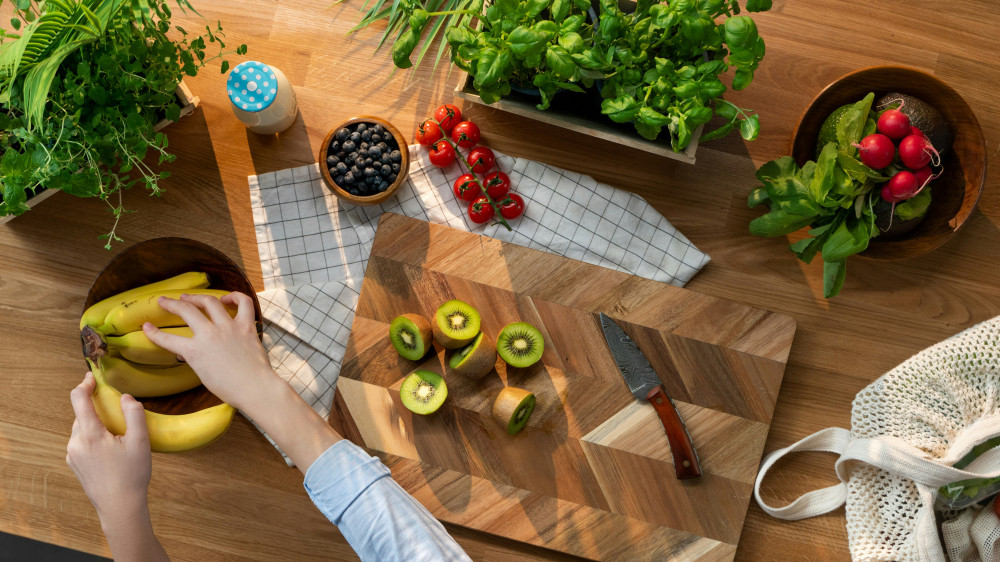
Strong, resilient hair depends on what you feed your body. A balanced diet rich in protein, iron, zinc, and omega-3 fatty acids supports healthy growth. Foods like eggs, salmon, nuts, beans, and leafy greens are all excellent choices.
If you’ve been under stress, it may take time for your hair to regain its normal growth cycle. Consider a supplement with biotin or B vitamins, but always check with your healthcare provider before starting any new regimen.
Step 4: Protect Against Heat and the Environment
When you return to styling, make protection a priority. Always apply a heat protectant spray before blow-drying or using hot tools. Use lower temperature settings and avoid running the flat iron over the same section multiple times.
Environmental factors like sun exposure, wind, and pollution can also weaken your hair. Wear a hat or scarf on sunny days, and rinse your hair after swimming in salt or chlorinated water. A lightweight hair oil can help lock in moisture and add shine without weighing your hair down.
Step 5: Trim Regularly
It might seem counterintuitive, but regular trims actually help your hair grow healthier. Split ends can travel up the hair shaft, causing breakage and thinning. A trim every 8–10 weeks keeps your ends strong and your hair looking fresh.
If your goal is longer hair, focus on maintaining quality rather than just length. Healthy, glossy hair always looks better than long, damaged strands.
Step 6: Build a Routine That Lasts
Rebuilding your hair isn’t a quick fix—it’s a process that requires patience and consistency. Create a simple routine you can stick to: wash two to three times a week, use a deep treatment once a week, and protect your hair daily from heat and sun.
Incorporate small self-care rituals that help reduce stress, such as scalp massages, yoga, or a quiet walk outdoors. When your body and mind are balanced, your hair will reflect that harmony.
Stronger Hair, Healthier You
Restoring your hair’s strength is about more than just products—it’s about balance and mindful care. By giving your hair time, nourishment, and attention, you’ll see improvements not only in its appearance but also in how you feel. With a consistent routine and a little patience, you can bring your hair back to life—and enjoy a renewed sense of confidence and well-being along the way.
Læs også: