Stress and Nicotine: An Unhealthy Alliance You Can Break

Stress and Nicotine: An Unhealthy Alliance You Can Break
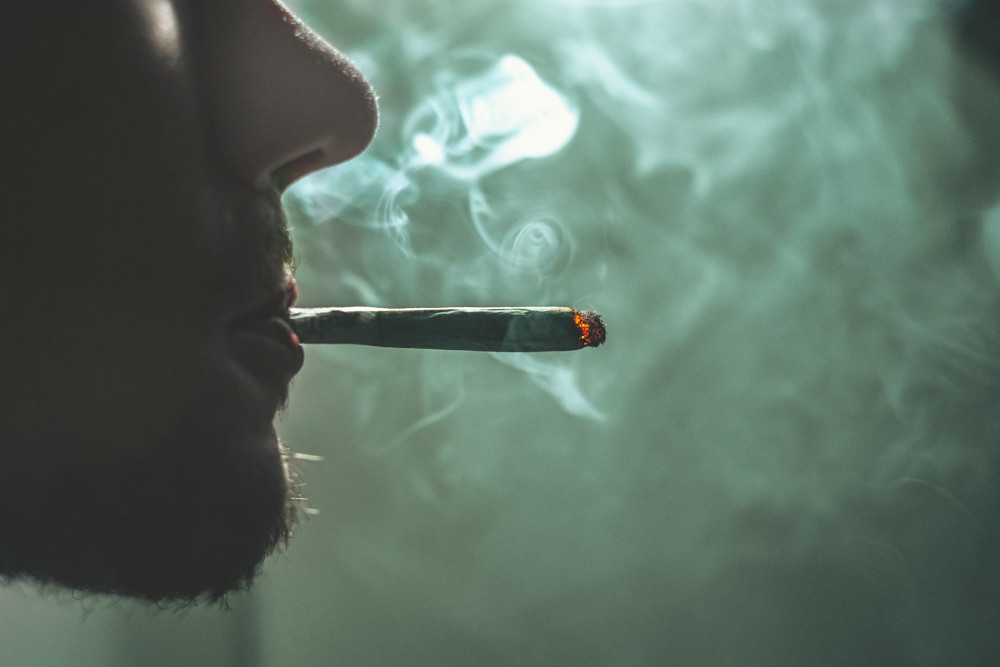
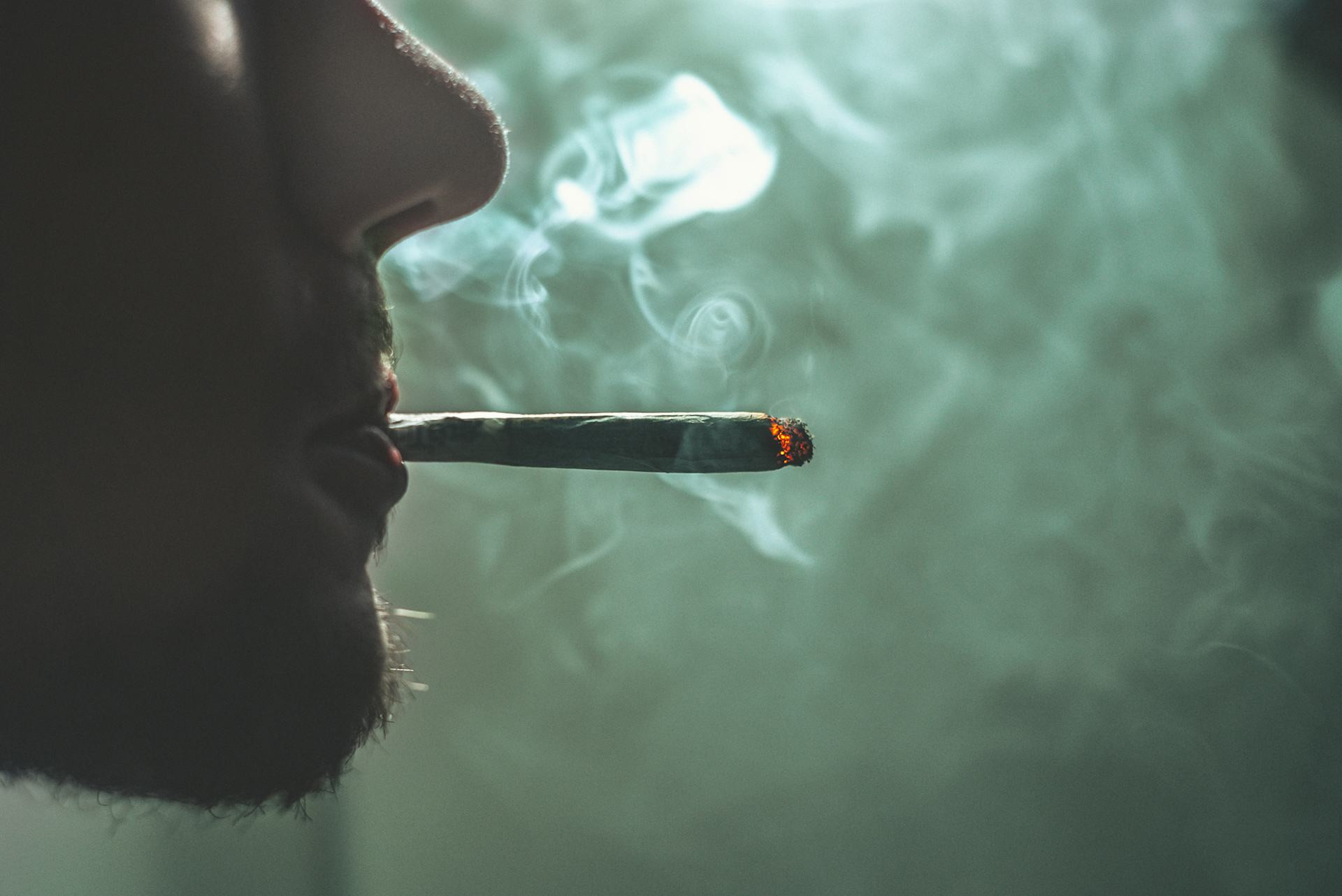
For many Americans, stress and nicotine seem to go hand in hand. When deadlines pile up or life feels overwhelming, a cigarette, vape, or nicotine pouch can feel like a quick way to calm down. But in reality, nicotine fuels the body’s stress response and traps you in a cycle that makes it harder to truly relax. The good news is that you can break this alliance—with knowledge, planning, and support.
Why Nicotine Feels Like a Break—but Isn’t
When you smoke or use nicotine, your brain releases dopamine, a chemical that creates a brief sense of pleasure and calm. That’s why a cigarette or vape break can feel like a moment of relief. But the effect is short-lived. Nicotine also triggers the release of stress hormones like adrenaline and cortisol, which raise your heart rate and blood pressure. So while it feels like you’re relaxing, your body is actually becoming more tense.
Over time, your brain adapts to nicotine’s effects. The “break” you take to unwind becomes a way to ease withdrawal symptoms rather than to find real calm. You’re no longer using nicotine to relax—you’re using it to avoid discomfort.
Stress and Smoking: A Two-Way Trap
Stress and nicotine reinforce each other in a loop that’s hard to escape. When you’re stressed, you crave quick relief, and nicotine delivers that—temporarily. But because nicotine increases your body’s stress levels, you soon feel uneasy again. That can lead to more smoking or vaping, which in turn raises stress even further.
This cycle creates both a physical and psychological dependence. You become hooked not only on nicotine itself but also on the ritual—the pause, the deep breath, the illusion of control in a stressful moment.
What Happens When You Quit
When you stop using nicotine, you may initially feel more restless, irritable, or distracted. That’s normal. Your body and brain are adjusting to life without nicotine’s influence. Within a few weeks, however, stress levels begin to drop, and many people notice steadier energy, better sleep, and a clearer mind.
Research from the Centers for Disease Control and Prevention (CDC) shows that former smokers generally report lower stress levels than those who continue to smoke. Once nicotine is out of your system, your body no longer experiences the constant ups and downs of withdrawal and stimulation.
Strategies to Break the Cycle
Breaking the link between stress and nicotine takes awareness and preparation. Here are some practical steps to help you succeed:
- Identify your triggers – When do you crave nicotine most? During work breaks, after meals, or when you’re under pressure? Recognizing patterns helps you change them.
- Replace the ritual – Find new ways to pause and reset: take a short walk, practice deep breathing, or sip a glass of water.
- Use nicotine replacement if needed – Gum, patches, or lozenges can ease withdrawal and make quitting more manageable.
- Seek support – Talk to your doctor, call 1-800-QUIT-NOW, or join a local or online quit program. Support increases your chances of success.
- Manage stress directly – Learn healthy coping tools like mindfulness, exercise, or structured routines to handle stress without nicotine.
Quitting isn’t just about removing nicotine—it’s about finding new ways to create calm and balance in your life.
When You Feel Like Giving Up
Relapses are common and not a sign of failure. Most people make several attempts before quitting for good. The key is to learn from each experience: What triggered the craving? What can you do differently next time?
Remind yourself why you want to quit—more energy, better health, freedom from addiction. Every day without nicotine is a step toward a calmer, healthier life.
Læs også:


A Life with Less Stress—and No Nicotine
When you break the connection between stress and nicotine, you give your body the chance to find its natural balance again. You’ll discover that a break can be a real break—not just a momentary fix. And you’ll have more energy and focus to handle life’s challenges in a healthy way.
It takes time and patience, but the reward is worth it: a life with more peace, better health, and freedom from the unhealthy alliance between stress and nicotine.
Læs også: