Take Extra Good Care of Your Tooth After a Cavity Treatment

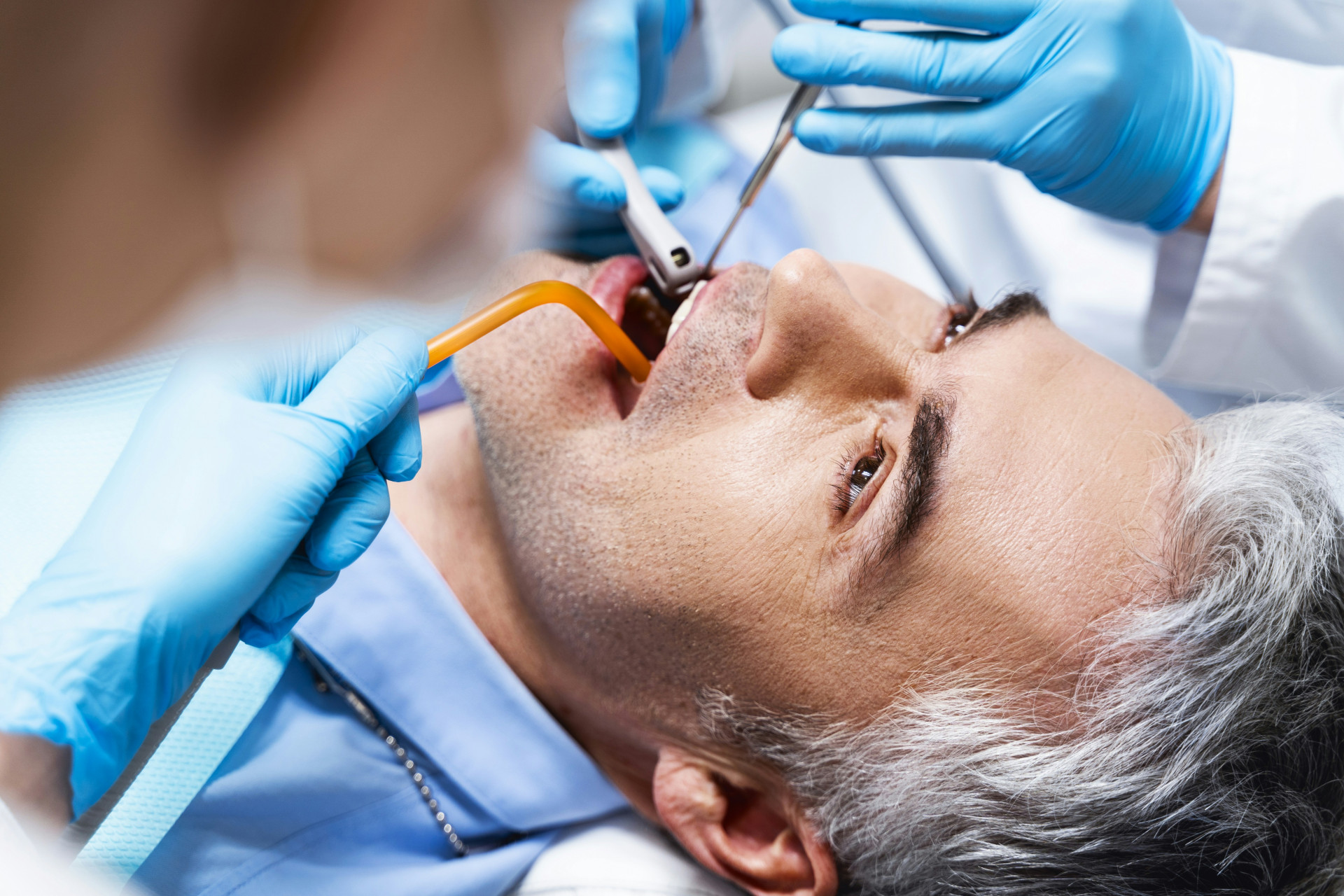
Take Extra Good Care of Your Tooth After a Cavity Treatment
When a cavity has been treated, it’s easy to think the problem is solved for good. But the period right after a filling is crucial for how well your tooth heals and how long the restoration lasts. Proper aftercare can prevent new issues and help your tooth stay healthy for years to come. Here’s what you need to know and do to take extra good care of your tooth after a cavity treatment.
The First Hours After Treatment
After a cavity filling, your tooth may feel a bit sensitive. That’s normal — your dentist has removed decayed tissue and worked close to the tooth’s nerve. If you received local anesthesia, wait until the numbness completely wears off before eating. Otherwise, you might accidentally bite your cheek or tongue without realizing it.
Avoid very hot or cold drinks for the first few hours, and try chewing on the opposite side of your mouth until the filling feels normal. If you received a temporary filling, be especially careful — it’s not as strong as a permanent one.
Læs også:
Sensitivity and Discomfort – What’s Normal?
It’s common for a tooth to be slightly sore or sensitive to temperature or pressure for a few days after treatment. This happens because the nerve inside the tooth reacts to the procedure. The sensitivity usually fades gradually.
However, if you experience strong pain, swelling, or persistent discomfort, contact your dentist. These could be signs of inflammation in the nerve or that the filling is too high and needs adjustment.
Keeping Your Tooth Healthy Going Forward
A cavity treatment removes the decay, but it doesn’t change the reason the cavity formed in the first place. That’s why it’s important to strengthen your daily habits to prevent new cavities — both in the treated tooth and elsewhere.
- Brush twice a day with fluoride toothpaste. Fluoride strengthens enamel and helps prevent new decay.
- Floss or use interdental brushes daily to remove plaque between teeth where your toothbrush can’t reach.
- Limit sugary foods and drinks, especially frequent snacking or sipping. Every time you consume sugar, acid forms and weakens enamel.
- Drink water throughout the day — it rinses your mouth and helps maintain a neutral pH balance.
- See your dentist regularly for checkups and cleanings. Early detection of small issues can prevent bigger problems later.
Protecting the Filling
A new filling should last for many years, but it needs your care. Avoid chewing very hard foods like ice, hard candy, or unpopped popcorn kernels, especially in the first few days. If the filling feels rough, loose, or uncomfortable, schedule a checkup.
For larger fillings, the tooth may be more fragile because part of the natural structure has been removed. In some cases, your dentist may recommend a crown to protect the tooth from cracking — especially if the cavity was deep.
Fluoride and Extra Care
After a cavity treatment, your dentist may suggest additional fluoride protection, such as a fluoride mouth rinse or gel. This helps strengthen the enamel around the filling and prevents new decay.
If you tend to have a dry mouth — for example, due to certain medications — it’s especially important to keep your mouth moist. Saliva naturally protects your teeth, so drink water regularly and chew sugar-free gum to stimulate saliva flow.
When to Call Your Dentist
While mild sensitivity is normal, you should contact your dentist if you notice:
- Pain that worsens instead of improving
- Swelling or a throbbing sensation in the tooth or gums
- A filling that feels loose or falls out
- Persistent sensitivity that doesn’t go away after a couple of weeks
Your dentist can quickly determine whether the filling needs adjustment or if further treatment is necessary.
A Small Effort That Makes a Big Difference
Taking good care of your tooth after a cavity treatment isn’t just about avoiding discomfort — it’s about protecting your smile and long-term oral health. With good hygiene, healthy habits, and regular dental visits, you can ensure your filling lasts and new cavities don’t form.
A well-cared-for tooth after treatment is proof that prevention and attention truly pay off — every single day.
Læs også: