Blemished Skin – What Causes It, and How Can You Restore Its Balance?

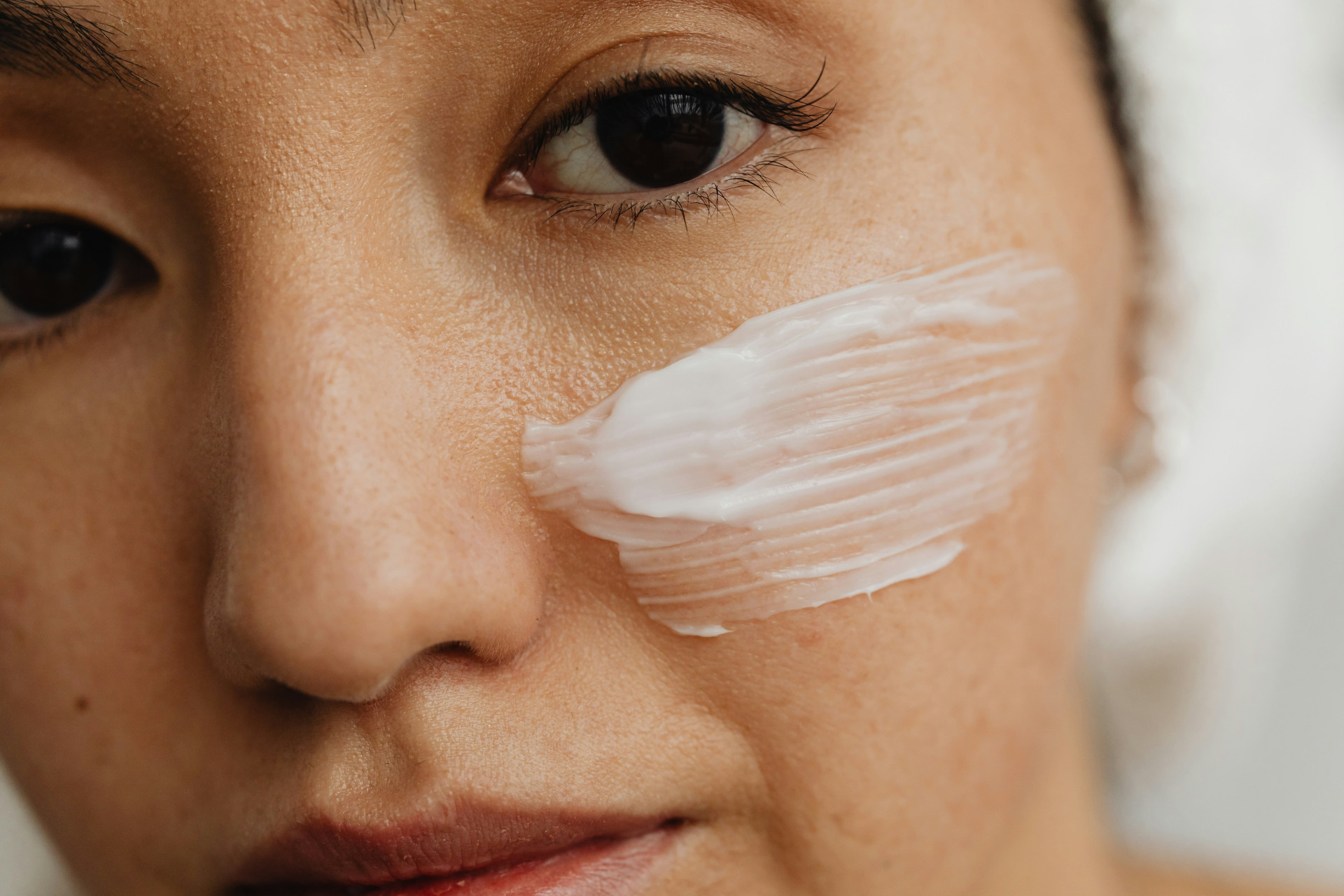
Blemished Skin – What Causes It, and How Can You Restore Its Balance?
Almost everyone experiences blemished skin at some point in life—whether it’s the occasional breakout or more persistent acne, redness, and irritation. But what actually causes these skin issues, and how can you help your skin regain its natural balance? Here’s a closer look at the most common causes and some practical steps to support clearer, healthier skin.
What Happens Beneath the Surface?
Blemishes form when the skin’s oil glands produce too much sebum, and pores become clogged with dead skin cells. This creates an environment where bacteria can thrive, leading to pimples, blackheads, and inflammation. The skin reacts by becoming red, swollen, and sometimes painful.
While it may seem like a surface-level problem, blemished skin is often a sign that the skin’s natural balance has been disrupted. The reasons behind this imbalance can be both internal and external.
The Most Common Causes
There’s rarely a single cause of blemished skin. More often, it’s a combination of factors working together.
- Hormones: Fluctuations in hormones—during puberty, menstruation, pregnancy, or times of stress—can increase oil production and trigger breakouts.
- Stress: When you’re stressed, your body releases cortisol, a hormone that can increase inflammation and oil production.
- Diet: Diets high in sugar, dairy, or highly processed foods may worsen breakouts for some people.
- Skincare Products: Using products that are too heavy, drying, or irritating can disrupt the skin barrier and clog pores.
- Environment and Lifestyle: Pollution, sweat, lack of sleep, and smoking can all negatively affect skin health.
Identifying the root cause often takes patience, observation, and sometimes professional guidance from a dermatologist.
How to Restore Balance
Bringing your skin back into balance isn’t about stripping away all oil or drying out blemishes—it’s about supporting your skin’s natural functions. Here are some key steps to get started.
1. Cleanse Gently but Consistently
Wash your face morning and night with a mild cleanser that removes dirt and excess oil without over-drying. Avoid harsh scrubs and alcohol-based products, which can irritate the skin and worsen inflammation.
2. Choose Products That Suit Your Skin Type
Look for non-comedogenic (non-pore-clogging) and fragrance-free products if your skin is sensitive. Ingredients like salicylic acid, niacinamide, and zinc can help regulate oil production and calm irritation.
3. Don’t Skip Moisturizer
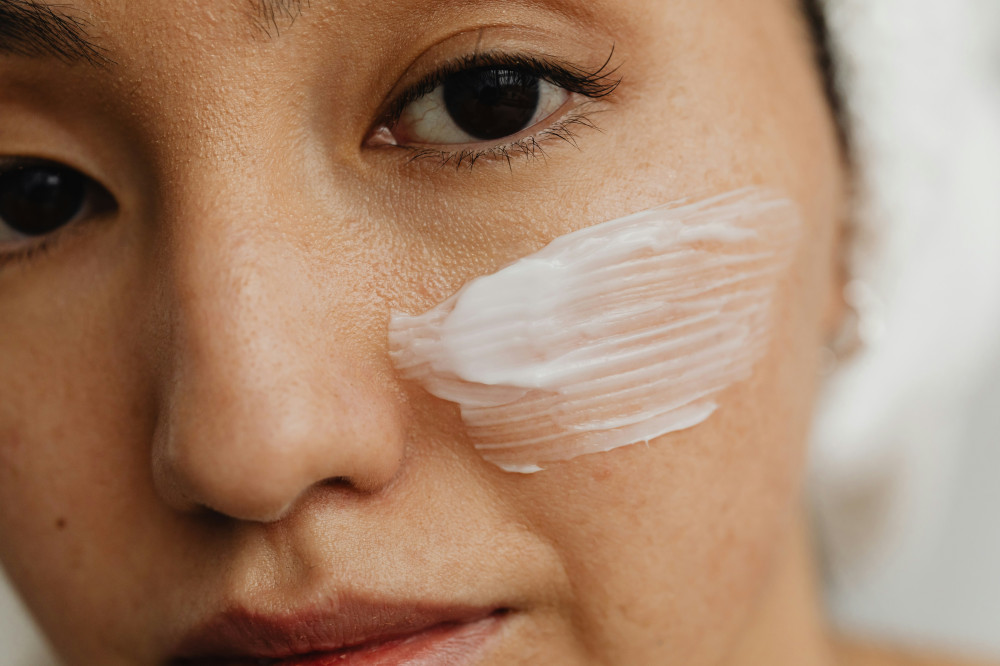
Even oily or acne-prone skin needs hydration. A lightweight, oil-free moisturizer helps maintain the skin barrier and prevents the skin from producing excess oil to compensate for dryness.
4. Hands Off
It’s tempting to pick or squeeze blemishes, but doing so increases the risk of infection and scarring. Instead, use a targeted spot treatment with ingredients like salicylic acid or benzoyl peroxide and let your skin heal naturally.
5. Be Patient
Skin renewal takes time—typically four to six weeks. That means you’ll need consistency before seeing results. Avoid switching products too often; steady care is more effective than quick fixes.
The Role of Lifestyle
Your skin’s condition often reflects your overall well-being. A healthy lifestyle can make a noticeable difference.
- Eat a balanced diet: Focus on vegetables, whole grains, lean proteins, and healthy fats.
- Stay hydrated: Drinking enough water helps your skin flush out impurities.
- Get enough sleep: Your skin repairs itself overnight, so lack of rest can show up as dullness or breakouts.
- Manage stress: Try meditation, exercise, or simply taking breaks to lower stress levels.
Small, consistent changes in your daily habits can often be seen in your skin after a few weeks.
When to Seek Professional Help
If you’re dealing with persistent or painful acne that doesn’t improve with good skincare, it may be time to see a dermatologist. There are effective medical treatments available that can calm inflammation, prevent scarring, and restore your skin’s balance.
Læs også:
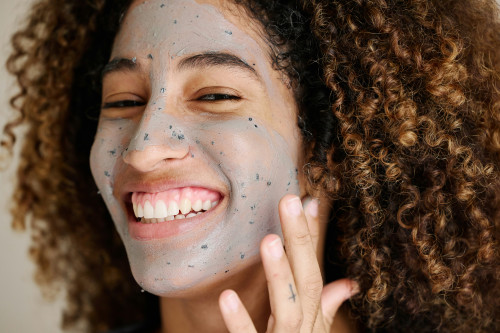
Balanced Skin Takes Time
Blemished skin can be frustrating, but remember that your skin is a living organ that responds to both internal and external influences. With patience, consistent care, and a healthy lifestyle, you can gradually restore its balance—and enjoy skin that feels stronger, healthier, and more in harmony.
Læs også: