Dry or Dehydrated? How to Tell if Your Skin Is Lacking Moisture

Dry or Dehydrated? How to Tell if Your Skin Is Lacking Moisture
Many people use the words dry and dehydrated interchangeably when their skin feels tight, flaky, or dull. But these two terms actually describe different conditions — and knowing which one you’re dealing with can make all the difference in how you care for your skin. Here’s a guide to help you understand the difference and figure out what your skin really needs.
Dry Skin – A Skin Type
Dry skin is a skin type, which means it’s largely determined by genetics. If you have dry skin, your sebaceous glands produce less oil (sebum) than normal, leaving your skin short on the natural lipids that help lock in moisture and protect against environmental stressors.
Common signs of dry skin include:
- A rough or flaky texture
- Tightness, especially after cleansing
- Fine lines caused by lack of elasticity
- A tendency toward redness or irritation
Dry skin needs oil and protection. Look for products rich in nourishing oils, ceramides, and fatty acids that help rebuild the skin’s barrier. Avoid harsh cleansers and opt for a thicker, more emollient moisturizer — especially during the colder months when indoor heating can make dryness worse.
Dehydrated Skin – A Condition
Dehydrated skin, on the other hand, is a temporary condition that can affect any skin type — even oily skin. In this case, your skin isn’t lacking oil but water. Dehydration can be triggered by factors like dry air, sun exposure, stress, alcohol, or using the wrong skincare products.
Signs of dehydrated skin may include:
- A dull, tired appearance
- Fine lines that disappear when you apply moisturizer
- A feeling of tightness, even if your skin looks shiny
- Uneven texture and loss of radiance
Dehydrated skin needs hydration and balance. Seek out ingredients like hyaluronic acid, glycerin, and aloe vera, which help draw and hold water in the skin. Use a gentle cleanser and avoid products with high alcohol content or strong fragrances, as these can strip away moisture.
How to Test Your Skin
Not sure whether your skin is dry or dehydrated? Try this simple test:
- Cleanse your face and leave it bare for about 30 minutes.
- Check how it feels and looks in the mirror.
- If your skin feels tight and rough, with visible flaking, it’s likely dry.
- If it feels tight but also looks shiny in the T-zone, and you notice fine lines that fade when you apply moisturizer, it’s probably dehydrated.
You can also gently pinch your cheek — if you see fine lines that smooth out quickly, your skin is lacking water.
How to Care for Your Skin’s Needs
Once you know what your skin is missing, you can tailor your routine accordingly:
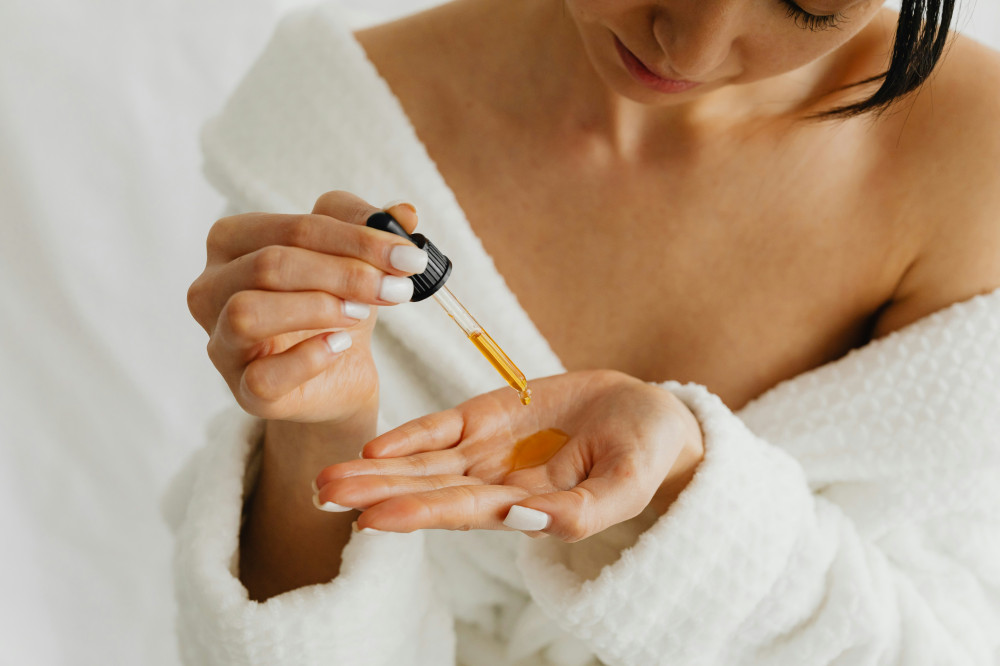
- For dry skin: Use a rich, barrier-repairing cream and consider adding a facial oil as the final step. Avoid over-cleansing and stick to lukewarm water.
- For dehydrated skin: Layer a hydrating serum under your moisturizer and make sure you’re drinking enough water throughout the day. Running a humidifier at home can also help, especially during winter when indoor air is dry.
Keep in mind that your skin’s needs can change with the seasons. Many people find their skin becomes drier in winter and more dehydrated in summer, when heat and sun exposure draw moisture out.
Læs også:
When Your Skin Is Both Dry and Dehydrated
Sometimes, your skin can be both dry and dehydrated — meaning it lacks both oil and water. In that case, combine hydrating products with nourishing ones. Start with a water-binding serum, then seal it in with a rich cream or oil-based moisturizer.
The key is to listen to your skin and adjust your routine based on how it feels. A healthy skin barrier is the foundation for comfort, glow, and resilience.
In Short
- Dry skin = lacks oil (a skin type)
- Dehydrated skin = lacks water (a condition)
- The right care depends on what your skin is missing — oil, water, or both.
By understanding the difference, you can choose products that truly help your skin, rather than make the problem worse. The result? Skin that feels balanced, comfortable, and naturally radiant.
Læs også: