Clogged Ear? Understanding the Connection Between Middle Ear Function and Pressure Equalization


Clogged Ear? Understanding the Connection Between Middle Ear Function and Pressure Equalization
Most people have experienced it: that muffled feeling in one ear, as if sounds are coming from inside your head. It can happen on an airplane, while driving through the mountains, or during a cold. But what’s really going on when your ear feels “clogged”? The answer lies in how the middle ear works and how it balances pressure.
The Middle Ear – A Small Space with a Big Job
The middle ear is the air-filled cavity behind the eardrum, where three tiny bones—the malleus, incus, and stapes—transmit sound vibrations from the eardrum to the inner ear. For this process to work properly, the air pressure on both sides of the eardrum must be equal. When the pressure inside the middle ear differs from the pressure outside, the eardrum becomes tense, and sound transmission is affected. That’s when you feel that familiar “plugged” sensation.
The Eustachian Tube – The Ear’s Pressure Valve
Pressure equalization happens through the Eustachian tube, a narrow passage connecting the middle ear to the back of the nose and upper throat. Every time you swallow, yawn, or chew, the tube briefly opens, allowing air to move in or out of the middle ear. This keeps the pressure balanced and the eardrum free to vibrate normally.
In children, the Eustachian tube is shorter and more horizontal, which makes them more prone to ear infections because bacteria and fluid can travel more easily into the middle ear. In adults, the tube usually functions well, but it can become temporarily blocked by swelling from a cold, allergies, or sinus congestion.
When Pressure Changes – and the Ear Doesn’t Keep Up
During air travel, scuba diving, or rapid elevation changes, the surrounding air pressure shifts quickly. If the Eustachian tube doesn’t open fast enough, a vacuum can form in the middle ear. The eardrum is pulled inward, causing discomfort or pain—especially during airplane descent, when outside pressure rises rapidly.
Simple actions like yawning, swallowing, or chewing gum can help open the Eustachian tube and equalize pressure. If that doesn’t work, you can try the Valsalva maneuver: close your mouth, pinch your nose, and gently blow as if you’re trying to exhale through your nose. This pushes air into the middle ear and can relieve the pressure. Be careful not to blow too hard, as excessive force can damage the eardrum.
Colds, Allergies, and the “Full Ear” Feeling
When you have a cold, sinus infection, or seasonal allergies, the lining of your nose and throat can swell, narrowing or blocking the Eustachian tube. Air can’t move freely, and pressure in the middle ear drops. The result is a persistent feeling of fullness or muffled hearing, sometimes accompanied by fluid buildup behind the eardrum.
Using a saline nasal spray or a short course of an over-the-counter decongestant spray may help reduce swelling and improve airflow. However, medicated nasal sprays should not be used for more than a few days in a row. If the clogged sensation lasts for weeks, or if you notice hearing loss or pain, it’s best to see a healthcare provider or an ear, nose, and throat (ENT) specialist to rule out fluid buildup or infection.
When to See a Doctor
A clogged ear is usually harmless and resolves on its own, but there are times when medical attention is important:
- If you have ear pain, fever, or fluid draining from the ear.
- If the clogged feeling doesn’t go away after several days.
- If you experience sudden hearing loss or dizziness.
- If you frequently have trouble equalizing pressure during flights or dives.
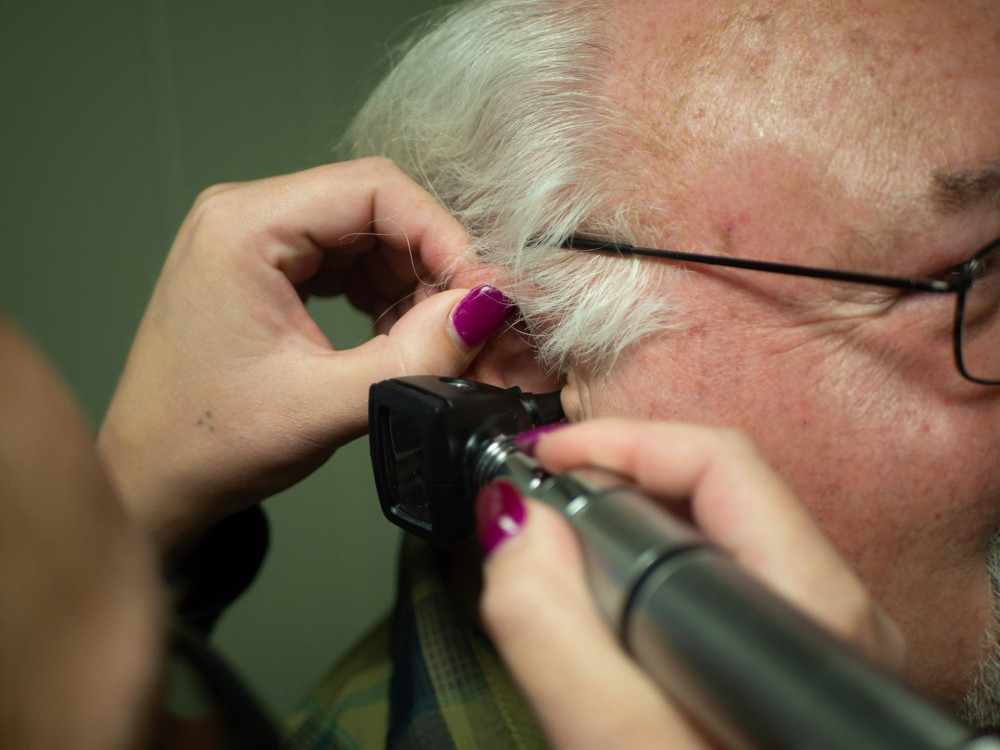
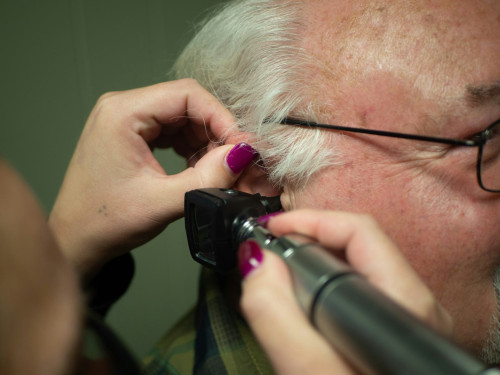
A doctor can examine your eardrum, measure middle ear pressure, and determine whether earwax, infection, or another issue is causing the problem.
Læs også:


Taking Care of Your Ears
Your ears are sensitive organs, and even small changes in pressure or congestion can affect them. You can help prevent that “plugged” feeling by following a few simple tips:
- Avoid flying or diving when you have a cold or sinus infection.
- Use a nasal spray before takeoff and landing if you’re prone to pressure problems.
- Blow your nose gently—too much force can push mucus into the middle ear.
- Skip cotton swabs in the ear canal—they can push wax deeper and cause a physical blockage.
Understanding how the middle ear works makes it easier to manage that uncomfortable clogged-ear sensation when it happens. Most of the time, it’s your body’s way of telling you that the pressure inside your ear isn’t balanced—and that it’s working to fix it.
Læs også: