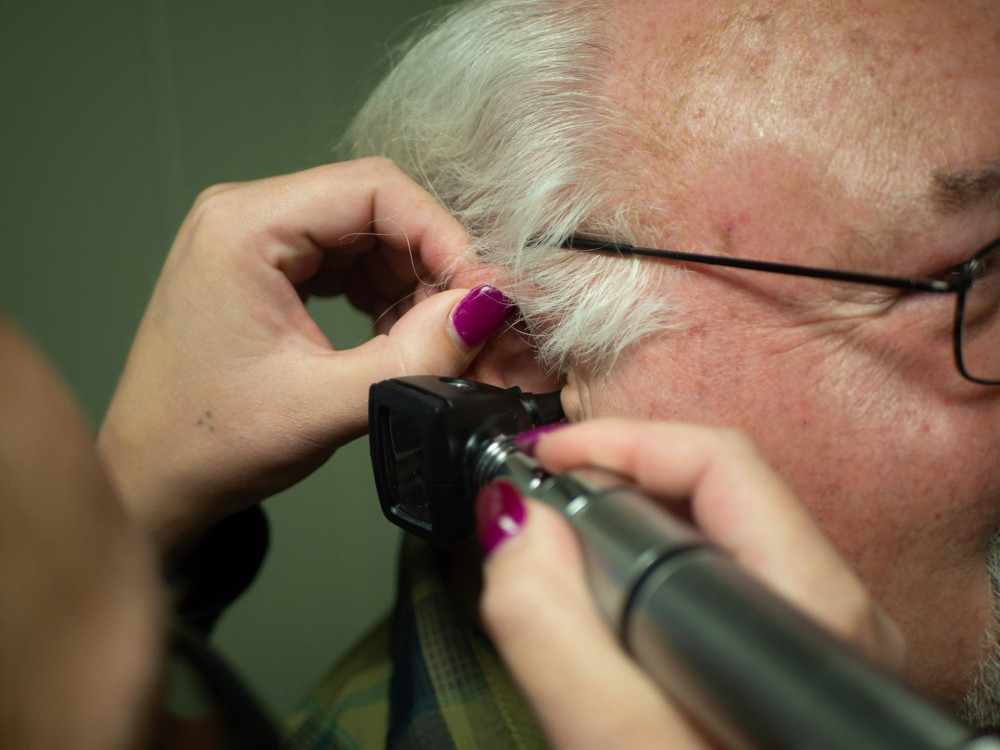
The Eardrum Explained: The Boundary Between the Outer Ear and the Middle Ear

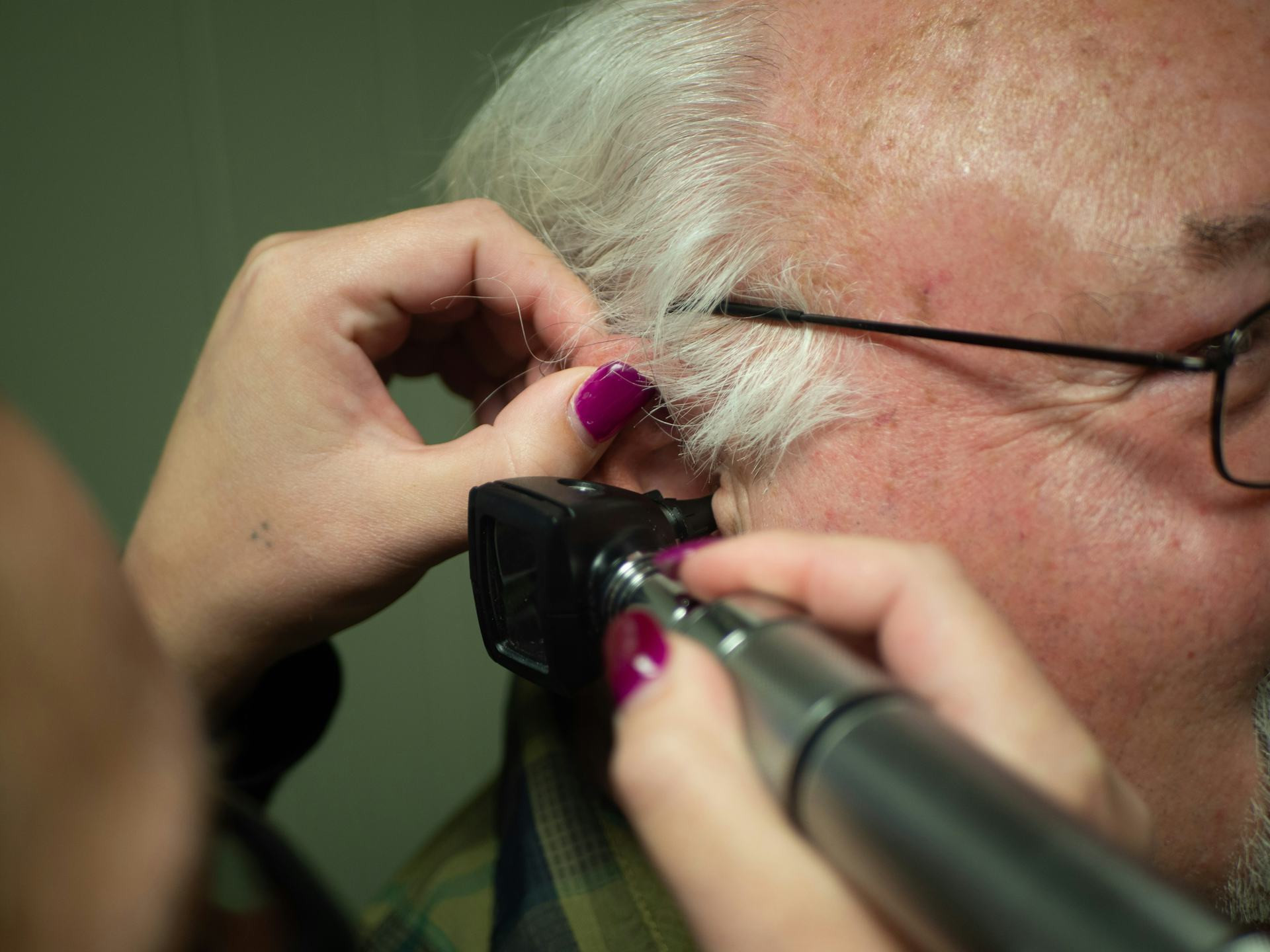
The Eardrum Explained: The Boundary Between the Outer Ear and the Middle Ear
The eardrum is one of the body’s most remarkable and delicate structures. Acting as the boundary between the outer ear and the middle ear, it plays a vital role in our ability to hear. Though it’s only about 0.1 millimeters thick, it converts vibrations in the air into mechanical movements that the brain interprets as sound. But how exactly does the eardrum work, and why is it so essential to hearing?
What Is the Eardrum?
The eardrum—also known as the tympanic membrane—is a thin, oval-shaped membrane located at the end of the ear canal. It consists of three layers: an outer layer of skin, a middle layer of fibrous tissue, and an inner mucous membrane. Together, these layers make the eardrum both strong and flexible, allowing it to move rapidly in response to even the slightest changes in air pressure.
When sound waves strike the eardrum, it begins to vibrate. These vibrations are then transmitted to the three tiny bones in the middle ear—the malleus (hammer), incus (anvil), and stapes (stirrup). These bones amplify the vibrations and pass them along to the inner ear, where they are converted into nerve signals that the brain perceives as sound.
The Boundary Between Two Worlds
The eardrum marks the transition between two very different environments: the outer ear, where sound travels as air waves, and the middle ear, where sound is transmitted as mechanical motion. This boundary is not only anatomical but also functional—it ensures that sound energy is efficiently transferred from air to the fluid-filled inner ear, minimizing energy loss.
For the eardrum to move freely, the air pressure on both sides must remain roughly equal. This balance is maintained by the Eustachian tube, a small passage connecting the middle ear to the back of the throat. When you yawn, swallow, or chew gum, the tube briefly opens to equalize pressure. That’s why your ears “pop” when you’re flying or driving through mountains.
When the Eardrum Is Damaged
Although the eardrum is resilient, it can be injured. Sudden pressure changes, infections, or inserting objects into the ear can cause it to rupture. A perforated eardrum may lead to pain, hearing loss, or fluid drainage from the ear.
Fortunately, most eardrum perforations heal on their own within a few weeks. In more serious cases, an ear, nose, and throat (ENT) specialist can perform a minor surgical procedure called a myringoplasty to repair the membrane using a small patch of tissue.
The Eardrum and Hearing
The eardrum is the first link in the chain that makes hearing possible. Without its ability to convert air vibrations into mechanical motion, sound could not travel to the inner ear. Even small changes in the eardrum’s tension or mobility—such as from fluid buildup in the middle ear—can significantly affect hearing.
During a hearing test, doctors can assess eardrum function using a procedure called tympanometry. This test measures how the eardrum responds to slight changes in air pressure, providing valuable information about the health of the middle ear.
Læs også:


How to Protect Your Eardrums
Most people rarely think about their eardrums—until something goes wrong. Fortunately, there are simple ways to keep them healthy:
- Avoid inserting objects into your ears. Cotton swabs and other tools can easily damage the eardrum. The ear is self-cleaning.
- Protect your ears from loud noises. Use earplugs at concerts, when using power tools, or in other noisy environments.
- Treat colds and ear infections promptly. Untreated infections can cause pressure buildup in the middle ear and harm the eardrum.
- Equalize pressure gently. When flying or diving, yawn, swallow, or chew gum to help the Eustachian tube open and balance pressure.
A Small Membrane with a Big Role
The eardrum is a perfect example of how even the smallest structures in the body can have enormous importance. It translates the movement of air into the sensation of sound—and without it, the world would be silent. Understanding and caring for your eardrums isn’t just about anatomy; it’s about preserving one of your most vital senses: hearing.
Læs også: