Do You Really Sleep Well? Signs Your Sleep Habits Might Need Adjusting


Do You Really Sleep Well? Signs Your Sleep Habits Might Need Adjusting
Most of us know that sleep is essential — yet it’s often the first thing we sacrifice when life gets busy. We get used to feeling tired, grab another cup of coffee, and tell ourselves it’s fine. But poor sleep affects your mood, focus, immune system, and long-term health. The question is: do you really sleep well? Here’s how to recognize when your sleep habits might need a reset — and what you can do about it.
When Tired Becomes the New Normal
Feeling tired after a single rough night is normal. But if you wake up groggy most mornings, struggle to concentrate, or rely on caffeine to get through the day, your sleep quality might not be as good as you think. Many Americans get the recommended number of hours but still feel exhausted because their sleep is too light or frequently interrupted.
Common signs of poor sleep include:
- Hitting the snooze button multiple times before getting up.
- Feeling sluggish or foggy well into the morning.
- Nodding off while watching TV or scrolling your phone at night.
- Becoming irritable or impatient more easily than usual.
If several of these sound familiar, it’s worth taking a closer look at your sleep routine.
The Rhythm of Sleep — and Why It Matters
Your body runs on an internal clock, or circadian rhythm, that’s influenced by light, darkness, and daily habits. When you go to bed and wake up at inconsistent times, you confuse that internal clock. The result? Trouble falling asleep, waking up too early, or feeling unrefreshed even after a full night’s rest.
A consistent sleep schedule helps your body know when it’s time to rest and when it’s time to be alert. Try to:
- Go to bed and wake up at roughly the same time every day — weekends included.
- Avoid sleeping in too late to “catch up” on rest, as it can throw off your rhythm.
- Get natural light in the morning to help your body wake up naturally.
Hidden Sleep Stealers: Screens, Stress, and Late-Night Snacks
Plenty of everyday habits can quietly sabotage your sleep. The blue light from phones, tablets, and TVs suppresses melatonin, the hormone that helps you fall asleep. Stress and racing thoughts keep your mind active even when your body is tired. And heavy meals or alcohol late at night can make your sleep restless.
Consider these adjustments:
- Put away screens at least 30 minutes before bed.
- Create a calming bedtime routine — a warm shower, gentle stretching, or reading a book.
- Avoid large meals and alcohol close to bedtime.
- Write down worries or to-do lists so they don’t keep you awake.
Your Bedroom: A Space for Rest
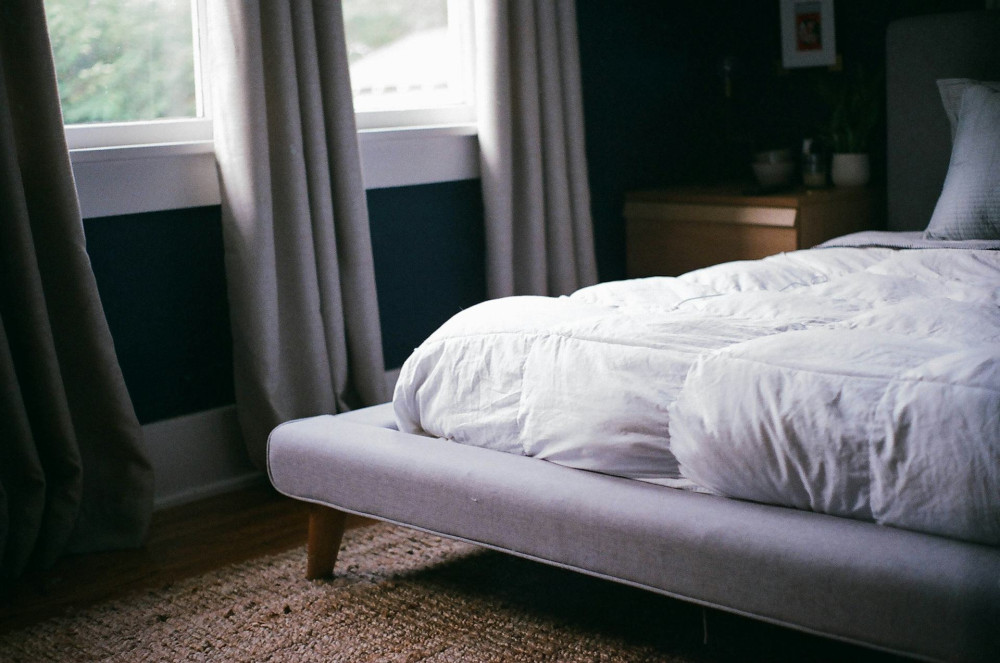
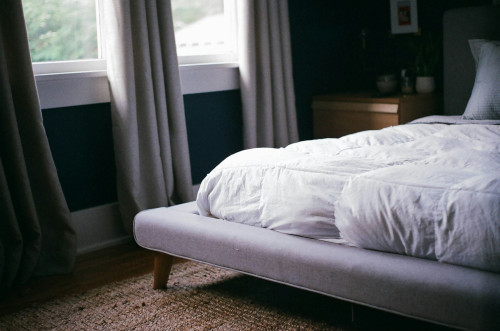
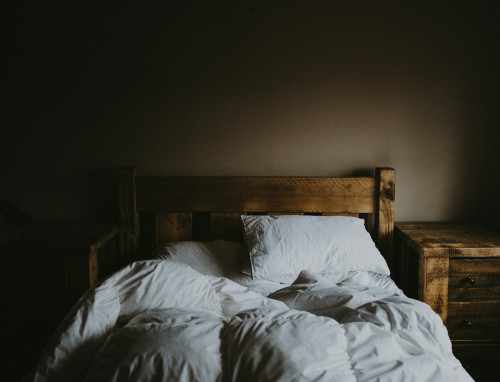
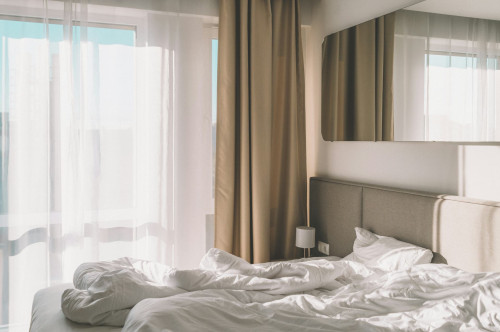
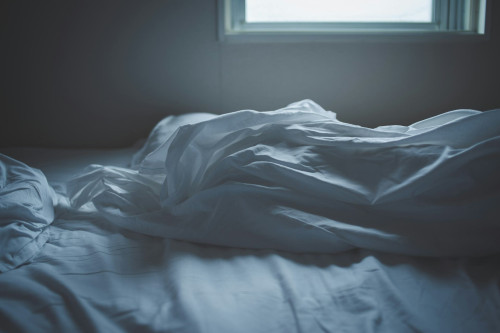
Your bedroom should signal relaxation the moment you walk in. Temperature, light, and noise all play a bigger role than you might think. A room that’s too warm, too bright, or too cluttered can disrupt your sleep even if you don’t fully wake up.
Set up your space for better rest:
- Keep the room cool — around 65°F is ideal for most people.
- Use blackout curtains or a sleep mask if outside light is an issue.
- Minimize noise and keep the space tidy and calm.
- Invest in a comfortable mattress and pillow that support your body.
Læs også:
When Sleep Still Feels Out of Reach
Even with good habits, sleep can be tricky during stressful times, shift work, or hormonal changes. If you’ve been struggling with insomnia, frequent awakenings, or persistent fatigue despite getting enough hours, it may be time to talk with your doctor. Conditions like sleep apnea or restless legs syndrome are more common than many realize and often require professional help.
Small Changes, Big Impact
Sleeping well rarely comes from one big change — it’s the result of many small, consistent adjustments. When you start treating sleep as a priority, just like nutrition and exercise, you’ll likely notice a real difference: more energy, a better mood, and a clearer mind.
So ask yourself: do you really sleep well — or is it time to give your sleep the attention it deserves?
Læs også: