Sleep Better with Light and Darkness: How to Support Your Body’s Natural Sleep Rhythm

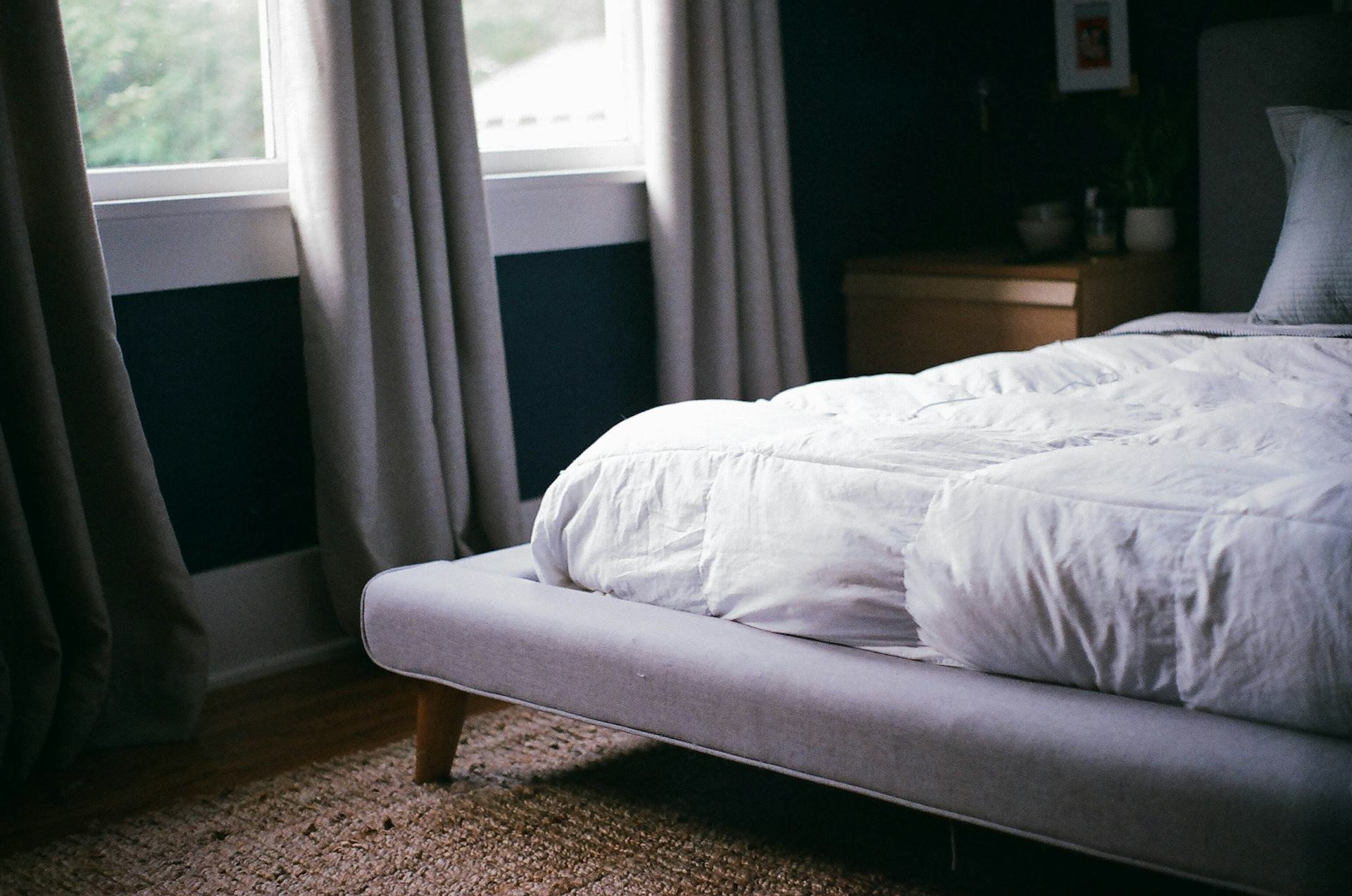
Sleep Better with Light and Darkness: How to Support Your Body’s Natural Sleep Rhythm
Many Americans struggle with falling asleep, waking up too early, or feeling tired even after a full night’s rest. One of the most overlooked factors behind sleep quality is light—both during the day and at night. Our body’s internal clock, known as the circadian rhythm, is strongly influenced by light and darkness. By understanding and adjusting how we expose ourselves to light, we can help our bodies find their natural rhythm and sleep more soundly.
Your Body’s Internal Clock – and Why Light Matters
Our circadian rhythm is controlled by a small area in the brain that detects light and darkness through the eyes. When it’s bright, the brain signals that it’s time to be awake and active. As darkness falls, the body begins to produce melatonin, the hormone that makes us sleepy.
Modern life often disrupts this natural rhythm. Artificial lighting, screens, and irregular sleep schedules can trick the body into thinking it’s still daytime, even late at night. The result: we fall asleep later, sleep less deeply, and wake up groggy.
Get Morning Sunlight
One of the most effective ways to support your circadian rhythm is to get plenty of natural light early in the day. Morning sunlight—especially the blue light in early daylight—helps reset your internal clock and signals that the day has begun.
- Step outside for a short walk before work or school, even on cloudy days.
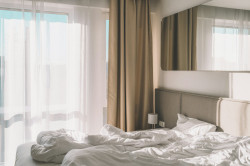
- Open your blinds as soon as you wake up and let the daylight fill your home.
- If you work indoors, try to sit near a window where you can get natural light.
Even 15–30 minutes of morning sunlight can make a noticeable difference in your energy levels and sleep quality.
Dim the Lights in the Evening
Just as your body needs light during the day, it needs darkness at night. Exposure to bright light—especially from screens—after sunset suppresses melatonin production and keeps your brain in “awake mode.”
- Lower the lighting in your home about an hour before bedtime. Use warm, soft light instead of bright overhead lights.
- Avoid screens from phones, tablets, and computers in the hour before bed. If you must use them, turn on “night mode” or a blue light filter.
- Try using lamps or candles instead of ceiling lights in the evening to create a calm, relaxing atmosphere.
Læs også:
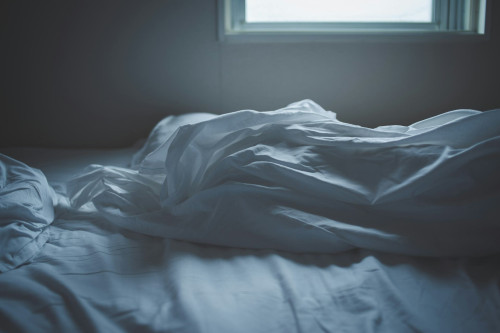
Keep Your Bedroom Dark
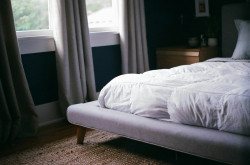
A dark bedroom is essential for good sleep. Even small amounts of light can interfere with rest because your brain interprets them as a signal to wake up.
- Use blackout curtains or a sleep mask if outside light enters your room.
- Turn off or cover small lights from electronics, such as chargers or standby indicators.
- Keep the room cool—around 65°F (18°C) is ideal for most people.
A dark, quiet, and cool bedroom helps your body maintain steady melatonin levels throughout the night.
Be Mindful of Artificial Light During the Day
Many of us spend most of our day indoors under artificial lighting, which is often weaker and more uniform than natural daylight. This can confuse the body and reduce the contrast between day and night.
If you work in an office or from home, you can compensate by:
- Taking short breaks outside, even for a few minutes.
- Using brighter lighting during the day and dimmer lighting in the evening.
- Avoiding dim or windowless spaces during the day, which can make you feel sluggish.
Find a Rhythm That Fits You
While everyone has a circadian rhythm, there are individual differences. Some people are natural “morning types,” while others function better later in the day. The key is to find a rhythm that suits you—and keep it consistent.
Try to go to bed and wake up at the same time every day, even on weekends. A stable schedule helps your body maintain a steady rhythm, making it easier to fall asleep and wake up refreshed.
Light and Darkness as Natural Medicine
Using light and darkness intentionally is a simple yet powerful way to improve sleep—without medication or supplements. It’s about working with your body’s natural rhythm instead of against it.
When you get sunlight in the morning, dim the lights in the evening, and sleep in darkness, you give your body the signals it needs. The result is often better sleep, more energy, and a more balanced daily rhythm—all thanks to nature’s own light.
Læs også: