Foods That Strengthen the Heart – and Why They Do It

Foods That Strengthen the Heart – and Why They Do It
A healthy heart is the foundation for a long, active life. The good news is that you can do a lot to protect it—starting with what’s on your plate. Certain foods have been shown to support circulation, regulate blood pressure, and improve cholesterol levels, all of which help lower the risk of heart disease. Here’s a look at some of the most heart-friendly foods—and the science behind why they work.
Fatty Fish – The Heart’s Best Friend
Salmon, mackerel, sardines, and trout are rich in omega-3 fatty acids, which have powerful benefits for heart health. Omega-3s help lower triglycerides, reduce inflammation, and may decrease the risk of blood clots. The American Heart Association recommends eating fish at least twice a week, ideally including fatty fish once or more. If you don’t eat fish, plant-based sources like flaxseeds, chia seeds, and walnuts also provide omega-3s, though in a slightly different form.
Læs også:


Whole Grains – Small Grains, Big Impact
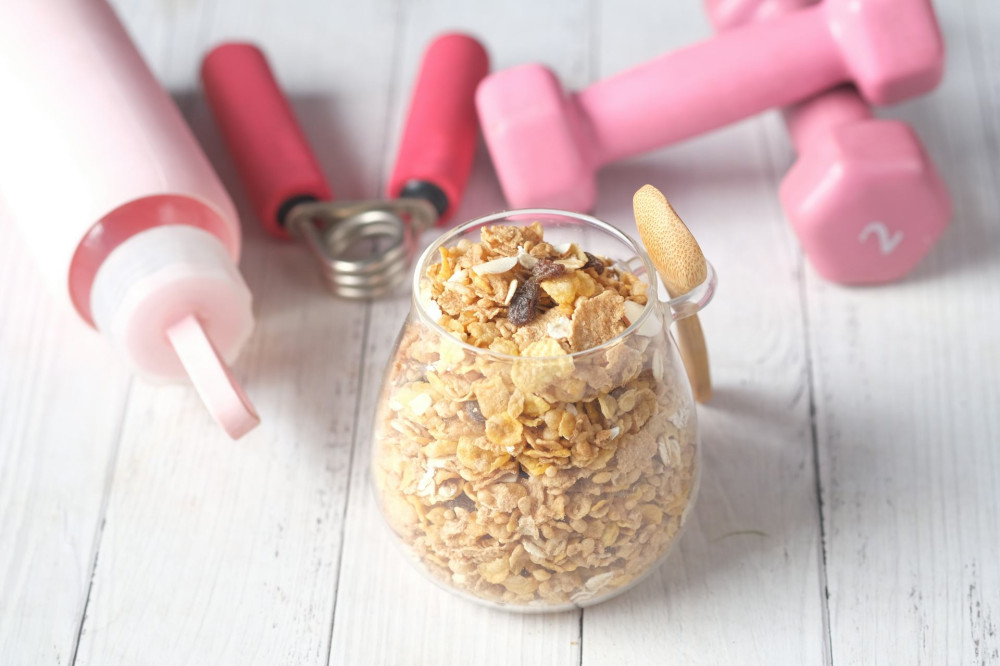
Whole grains such as oatmeal, brown rice, whole-wheat bread, and quinoa are packed with fiber that helps lower cholesterol. Soluble fiber binds cholesterol in the digestive system, preventing it from entering the bloodstream. Whole grains also help keep blood sugar levels steady and promote fullness, which can support a healthy weight—another key factor for heart health. When shopping, look for “100% whole grain” on labels to ensure you’re getting the real thing.
Fruits and Vegetables – Nature’s Protection
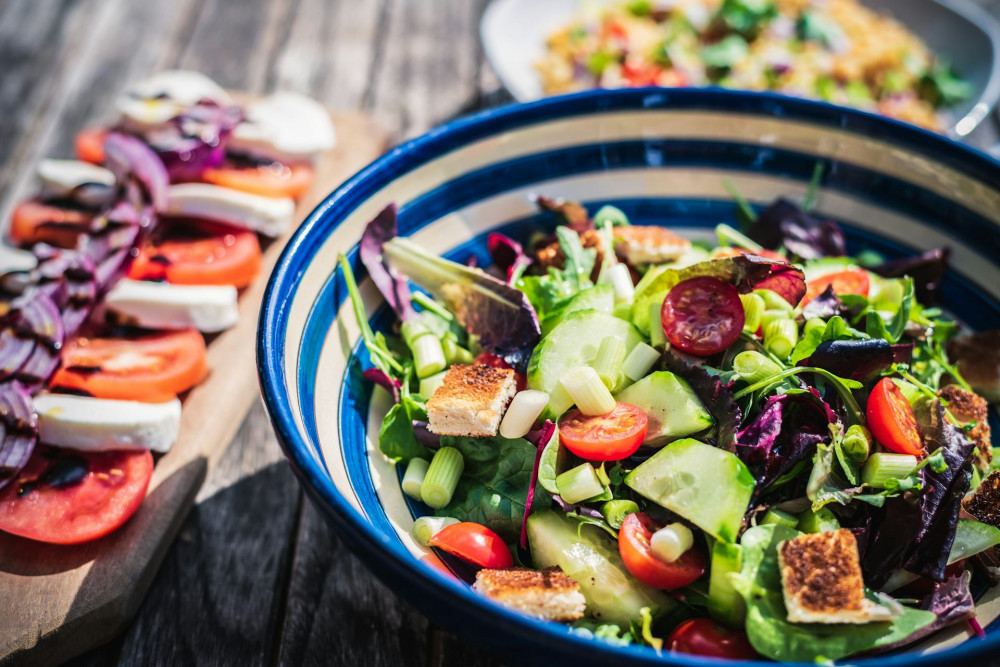
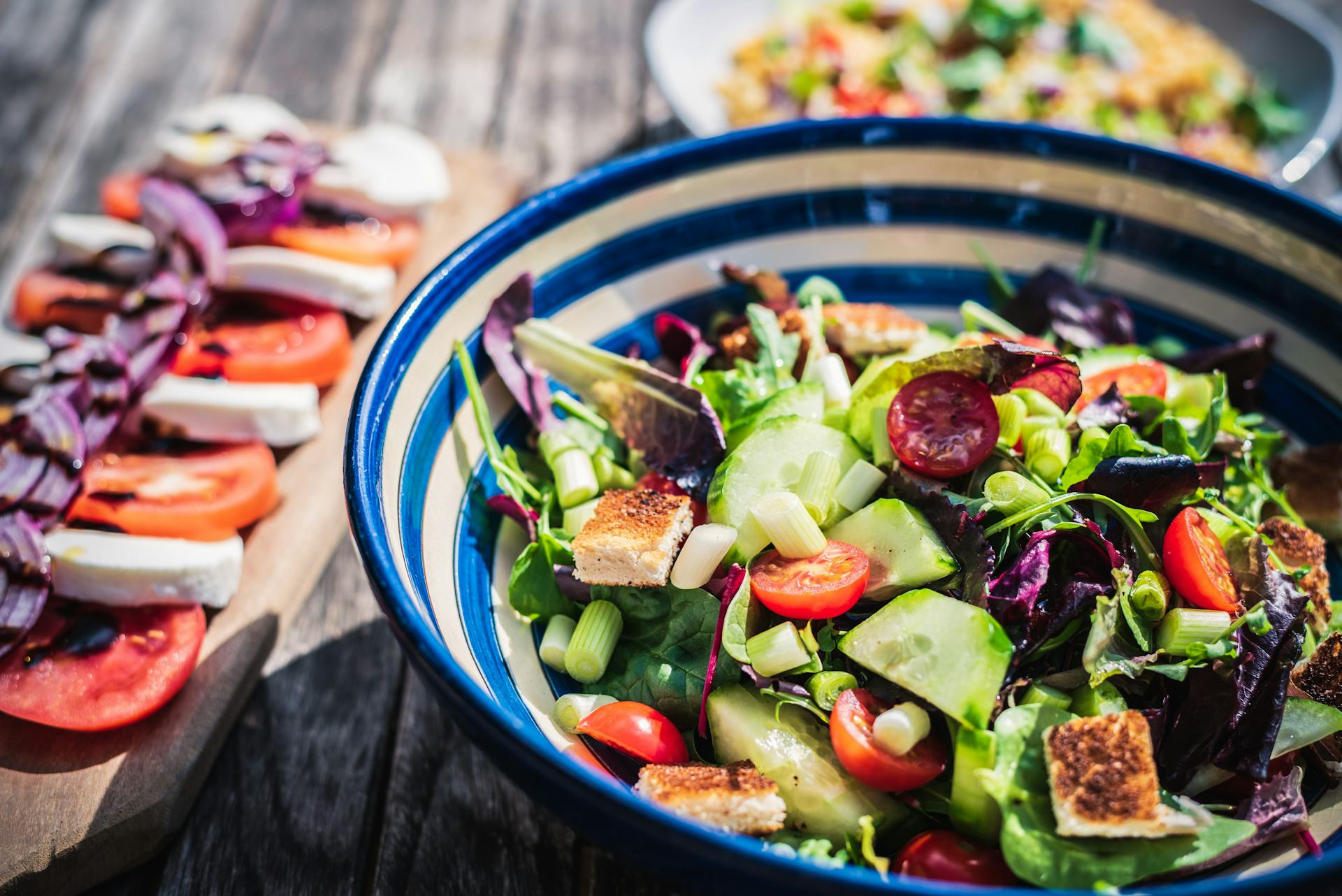
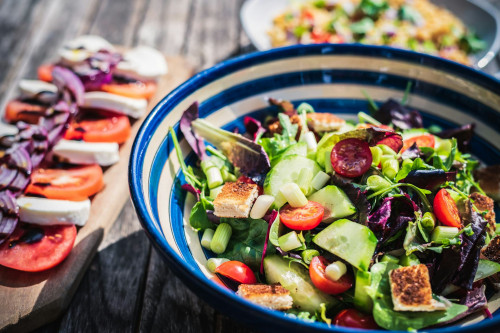
Fruits and vegetables are loaded with antioxidants, vitamins, and minerals that protect your cells from damage. Colorful produce—like spinach, kale, beets, and berries—contains compounds that improve blood vessel function and reduce inflammation. Potassium-rich foods such as bananas, sweet potatoes, and tomatoes help regulate blood pressure by balancing sodium levels in the body. A simple goal is to fill half your plate with fruits and vegetables at every meal, aiming for a variety of colors and types.
Nuts and Seeds – Healthy Fats in Small Packages
A handful of nuts a day can do wonders for your heart. Almonds, walnuts, pistachios, and sunflower seeds are rich in unsaturated fats that can lower “bad” LDL cholesterol and raise “good” HDL cholesterol. They also provide vitamin E and magnesium, both of which support healthy blood vessels. Just remember that nuts are calorie-dense, so moderation is key—about a small handful per day is enough.
Olive Oil and Other Plant Oils – Liquid Gold for the Heart
Olive oil, avocado oil, and other cold-pressed plant oils are excellent sources of monounsaturated and polyunsaturated fats. Replacing butter or shortening with these oils can reduce your intake of saturated fat, which is linked to artery buildup. Olive oil, a cornerstone of the Mediterranean diet, has been shown to protect against heart disease. Use it in salad dressings, drizzle it over vegetables, or cook with it at low to medium heat.
Legumes – Protein with a Bonus
Beans, lentils, and chickpeas are not only great sources of plant-based protein but also packed with fiber, antioxidants, and minerals like potassium and iron. They help stabilize blood sugar and can replace meat in many dishes, reducing your intake of saturated fat. Try adding a few meatless meals each week featuring beans or lentils for an easy heart-healthy change.
Dark Chocolate – Enjoy in Moderation
Dark chocolate with a high cocoa content (70% or more) contains flavonoids that can improve blood vessel flexibility and lower blood pressure. But the benefits come only in small amounts—a couple of squares a day is plenty. Choose varieties with minimal added sugar and savor it as a small, heart-friendly treat.
It’s About the Whole Picture
While individual foods can make a difference, it’s your overall eating pattern that matters most. A balanced diet rich in plants, healthy fats, and whole grains—and low in salt, added sugar, and processed meats—is the best recipe for a strong heart. Combine that with regular physical activity, good sleep, and avoiding smoking, and you’ll give your heart the best possible chance to stay healthy for years to come.
Læs også: