Heart-Healthy Diet: How to Strengthen Your Circulation for the Long Term


Heart-Healthy Diet: How to Strengthen Your Circulation for the Long Term
A strong heart starts with what’s on your plate. The foods you choose every day play a major role in how well your circulatory system functions—both now and in the years ahead. A heart-healthy diet isn’t about strict rules or deprivation; it’s about making smart choices that support your blood vessels, balance cholesterol, and reduce the risk of heart disease. Here’s how you can strengthen your heart through everyday eating habits.
Eat More Fruits and Vegetables—Every Day
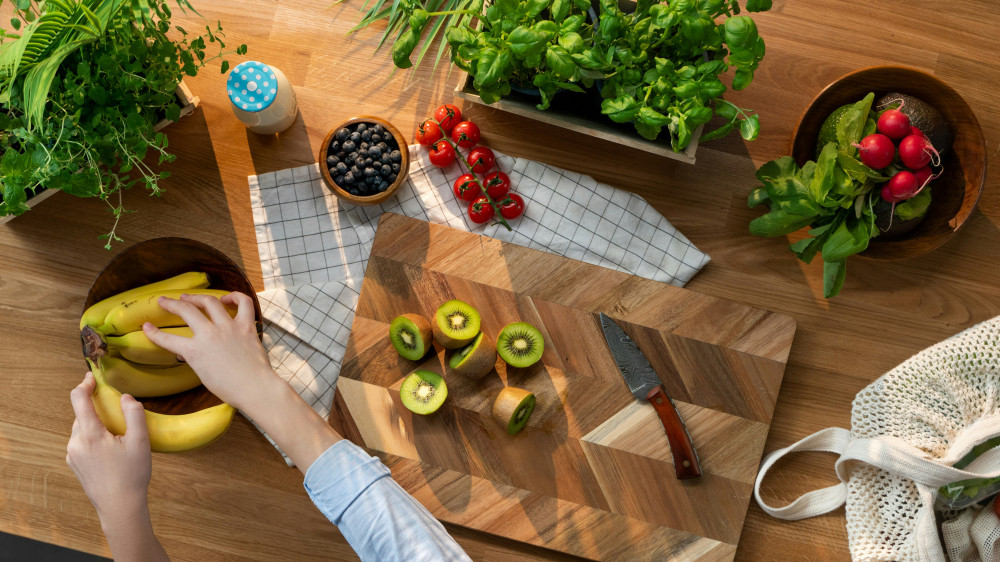
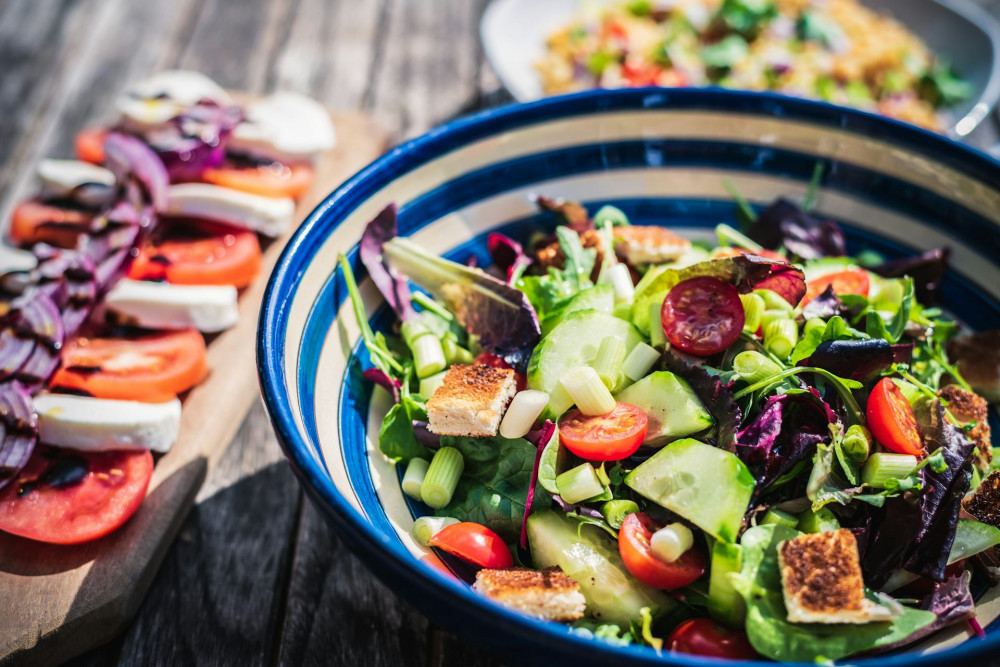
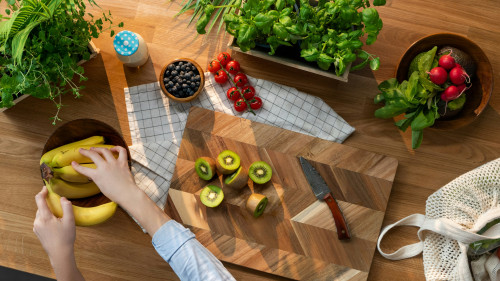
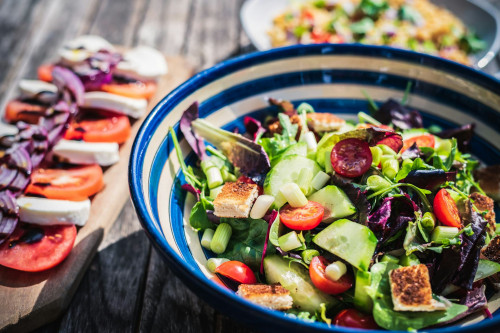
Fruits and vegetables are the foundation of a heart-healthy diet. They’re packed with fiber, antioxidants, and vitamins that protect your arteries from damage and inflammation. Aim for at least five servings a day, and try to include a variety of colors.
- Leafy greens like spinach, kale, and collard greens are rich in potassium and folate, which help regulate blood pressure.
- Berries and citrus fruits provide antioxidants that may reduce plaque buildup in arteries.
- Root vegetables such as carrots and beets supply fiber and natural nitrates that can improve blood flow.
A simple rule of thumb: fill half your plate with vegetables at lunch and dinner.
Læs også:

Choose the Right Fats
Fat isn’t the enemy—it’s the type that matters. Saturated fats from red meat, butter, and full-fat dairy can raise LDL (“bad”) cholesterol, while unsaturated fats from plants and fish can help lower it.
- Cook with olive, canola, or avocado oil instead of butter.
- Eat fatty fish like salmon, trout, or sardines twice a week for heart-protective omega-3 fatty acids.
- Snack on nuts, seeds, and avocados instead of chips or pastries.
By swapping butter for plant oils and choosing fish over red meat a few times a week, you can make a noticeable difference in your cholesterol levels.
Go for Whole Grains
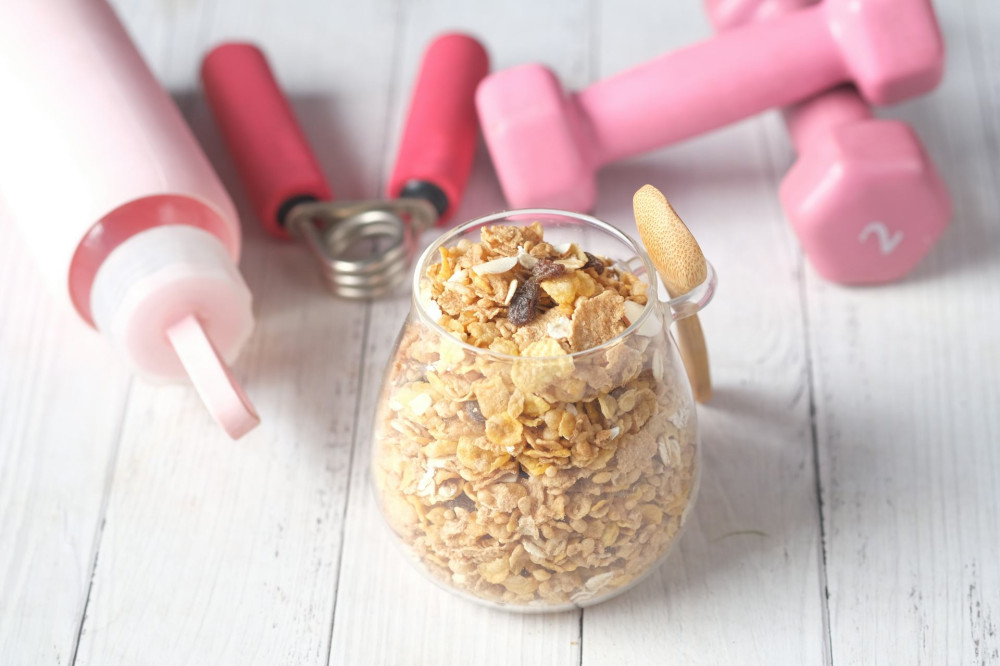
Whole grains such as oatmeal, brown rice, whole-wheat bread, and quinoa are rich in fiber that helps lower cholesterol and stabilize blood sugar. They also keep you full longer, making it easier to maintain a healthy weight.
When shopping, look for products labeled “100% whole grain” or check that whole grains are listed as the first ingredient.
Cut Back on Salt and Added Sugar
Too much sodium can raise blood pressure, while excess sugar can lead to weight gain and insulin resistance—both of which strain the heart.
- Flavor your meals with herbs, spices, garlic, or lemon instead of salt.
- Choose unsweetened foods and drinks, and watch for hidden sugars in cereals, sauces, and packaged snacks.
- Make water your main beverage—it’s the best choice for your heart and circulation.
Watch Portion Sizes and Maintain a Healthy Weight
Healthy blood pressure and cholesterol levels are closely linked to body weight. You don’t need to count every calorie, but being mindful of portion sizes can make a big difference.
Eat slowly, put your fork down between bites, and pay attention to your body’s hunger and fullness cues. This helps prevent overeating and supports long-term weight management.
Make It a Lifestyle, Not a Diet
A heart-healthy diet works best when it becomes part of your everyday life. The goal is to find a rhythm that fits your routine and your family’s preferences.
Plan your meals ahead of time to avoid last-minute fast-food runs. Eat together when possible, and enjoy your food—mindful eating makes healthy habits easier to maintain.
Combine good nutrition with regular physical activity, adequate sleep, and stress management. Together, these habits give your heart the best chance to stay strong for years to come.
Small Steps, Big Results
You don’t have to change everything overnight. Start with one goal—like adding more vegetables or switching from butter to olive oil. Over time, these small adjustments add up to major benefits for your heart.
A strong heart isn’t built in a week—it’s built through the choices you make every day. By following a heart-healthy diet, you’re investing in a longer, more energetic, and more vibrant life.
Læs også: