Healthy Habits in Stressed Families – Small Steps That Boost Children’s Well-Being


Healthy Habits in Stressed Families – Small Steps That Boost Children’s Well-Being
For many American families, daily life feels like a constant race against the clock. Work, school, sports, homework, and household chores can leave little room for calm or connection. In the middle of that rush, it can seem impossible to build healthy habits—but it’s exactly during stressful times that children need structure, presence, and small routines that bring stability. This article explores how small, realistic steps can make a big difference in children’s well-being, even when life feels overwhelming.
Balancing Work, Family, and Everything in Between
Parents today often feel pulled in every direction—trying to meet expectations at work, care for their families, and still find time for themselves. Many feel guilty for not being able to “do it all.” But research shows that what matters most for children isn’t the number of hours spent together—it’s the quality of those moments.
Creating healthy habits isn’t about perfection. It’s about finding a rhythm that works for your family. Small, consistent changes are often more sustainable than big, ambitious goals that quickly fall apart.
Simple Routines That Create Security
Children thrive when they know what to expect. Predictable routines help them feel safe and calm, even in busy households.
- Shared meals: Try to eat together whenever possible, even if it’s just a few times a week. Family meals are a chance to talk, laugh, and reconnect.
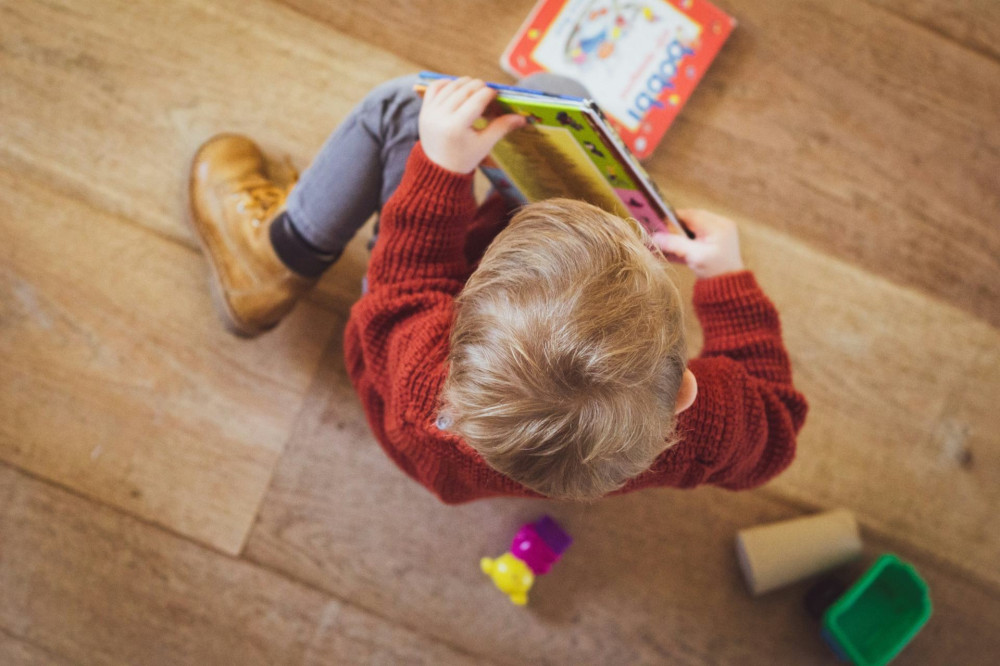
- Bedtime rituals: Consistent sleep routines—like brushing teeth, reading a short story, or sharing a hug—help children wind down and sleep better.
- Mini breaks: Build in small pauses during the day. Five minutes of quiet time after school or a short walk after dinner can help everyone reset.
These small habits don’t take much time, but they send a powerful message: there’s room for calm and connection, even on the busiest days.
Food and Movement Without Pressure
Healthy eating and physical activity can easily become sources of stress if they’re tied to guilt or strict rules. Instead, focus on small, positive steps.
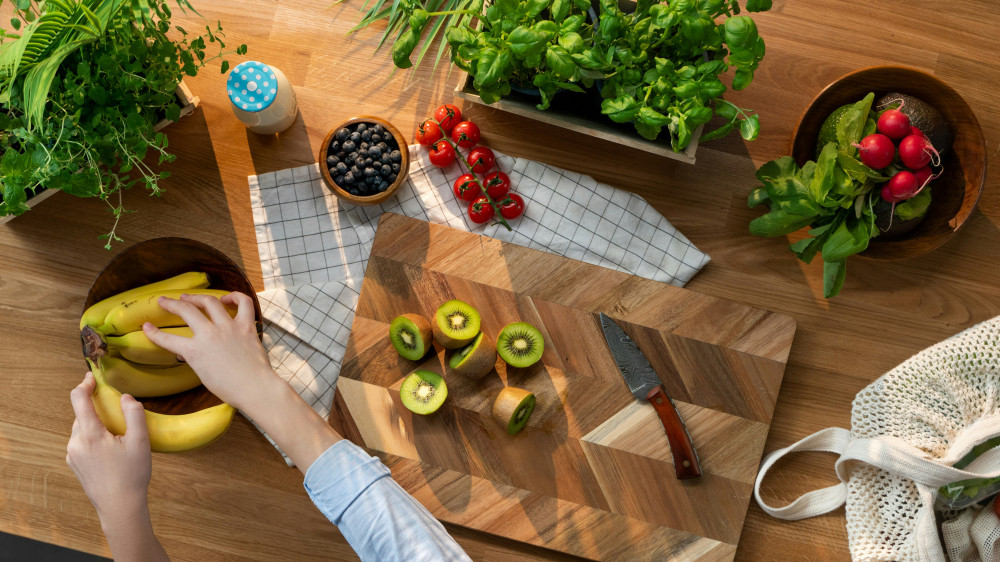
- Involve kids in cooking – let them help wash vegetables, stir ingredients, or choose a recipe. It builds curiosity and ownership.
- Make movement fun – dance in the living room, play tag in the yard, or take a family bike ride.
- Focus on balance, not bans – offer nutritious options without turning treats into forbidden territory.
When health becomes a natural part of daily life rather than a project, it’s easier to maintain and enjoy.
Læs også:


Presence in Small Moments
Many parents worry they don’t spend enough time with their children. But presence isn’t about quantity—it’s about attention. Putting your phone away when your child talks, or giving a warm hug before school, can mean more than hours spent together while distracted.
Try to create small “anchor points” in your day—like breakfast, dinner, or bedtime—where you always connect. These moments give children a sense of stability and belonging, even when the rest of the day is hectic.
When the Pressure Feels Too Heavy
Even with the best intentions, life can become overwhelming. If stress or conflict starts to take over, it’s important to reach out for support. That might mean talking with a friend, a family member, a counselor, or your child’s pediatrician. Seeking help isn’t a sign of weakness—it’s a step toward creating a healthier environment for everyone.
Small Steps, Big Impact
Healthy habits in stressed families aren’t about doing everything perfectly—they’re about moving in the right direction. When you take small steps—sharing a meal, going for a walk, or creating five minutes of calm—you show your child that well-being and connection matter. Over time, those small steps grow into strong habits that give children confidence, comfort, and joy, even when life is busy.
Læs også: