Play, Movement, and Imagination: Keys to Children’s Mental Health

Play, Movement, and Imagination: Keys to Children’s Mental Health
In a world where screens and structured schedules dominate children’s lives, play, movement, and imagination are more essential than ever. They are not just ways to pass the time – they are vital foundations for children’s mental health. Through play, children learn about themselves and the world around them. Movement strengthens both body and mind, while imagination fuels creativity, problem-solving, and emotional growth.
Play as a Child’s Language
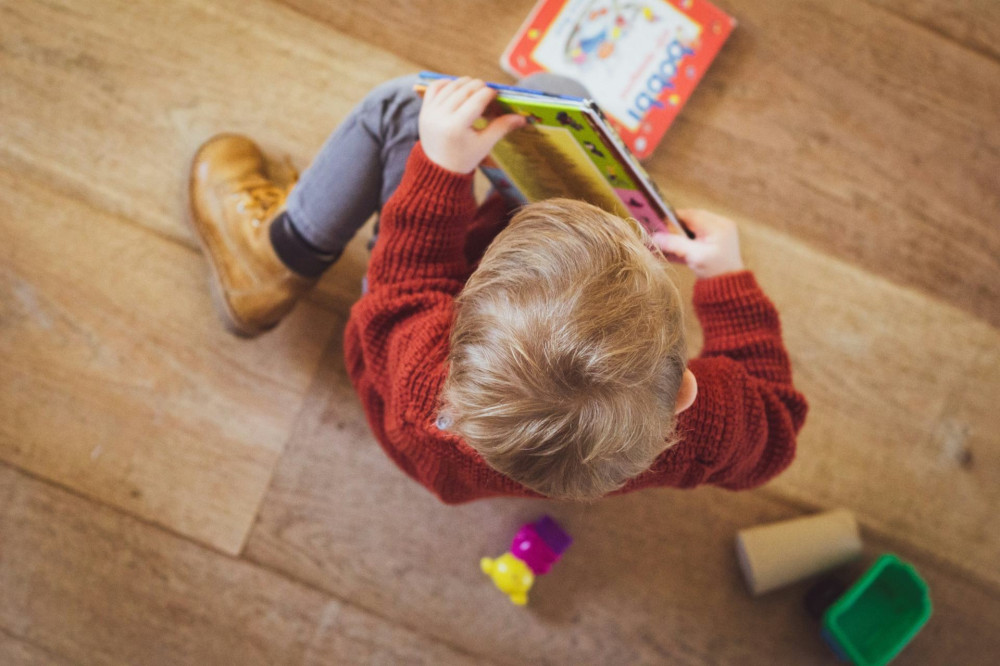
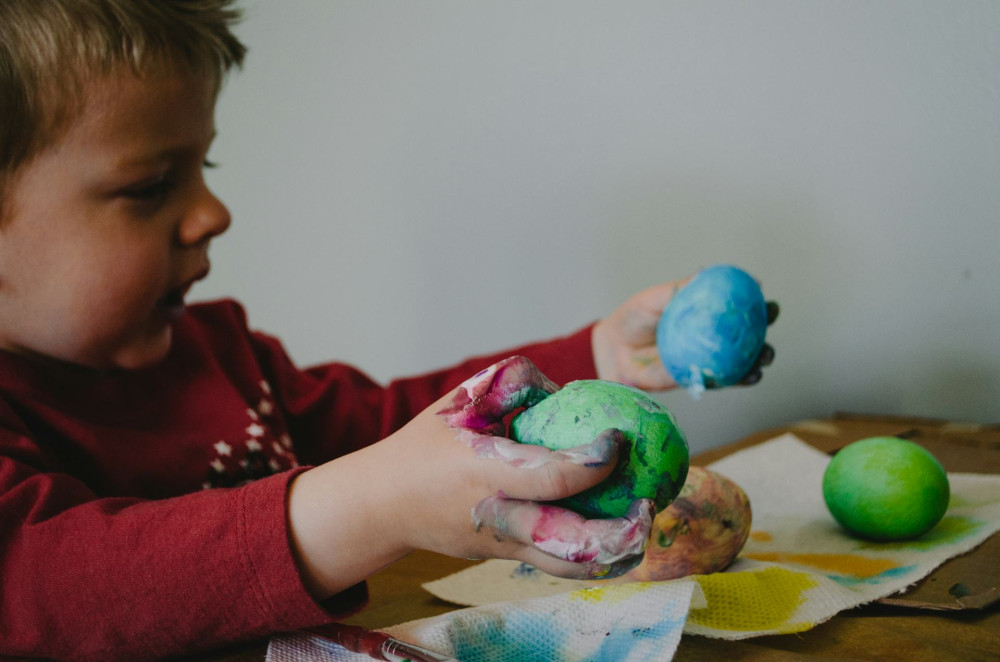
For children, play is more than fun – it’s their natural way of communicating, exploring, and processing experiences. When a child builds a fort, pretends to be a superhero, or hosts a tea party for stuffed animals, they are experimenting with emotions, relationships, and ideas in a safe space. Play allows children to express thoughts and feelings they might not yet have words for.
Research from the American Academy of Pediatrics shows that unstructured play supports social skills, empathy, and self-regulation. Through play, children learn to cooperate, negotiate, and manage conflicts – all crucial skills for emotional well-being and resilience.
Læs også:


Movement Strengthens Body and Mind
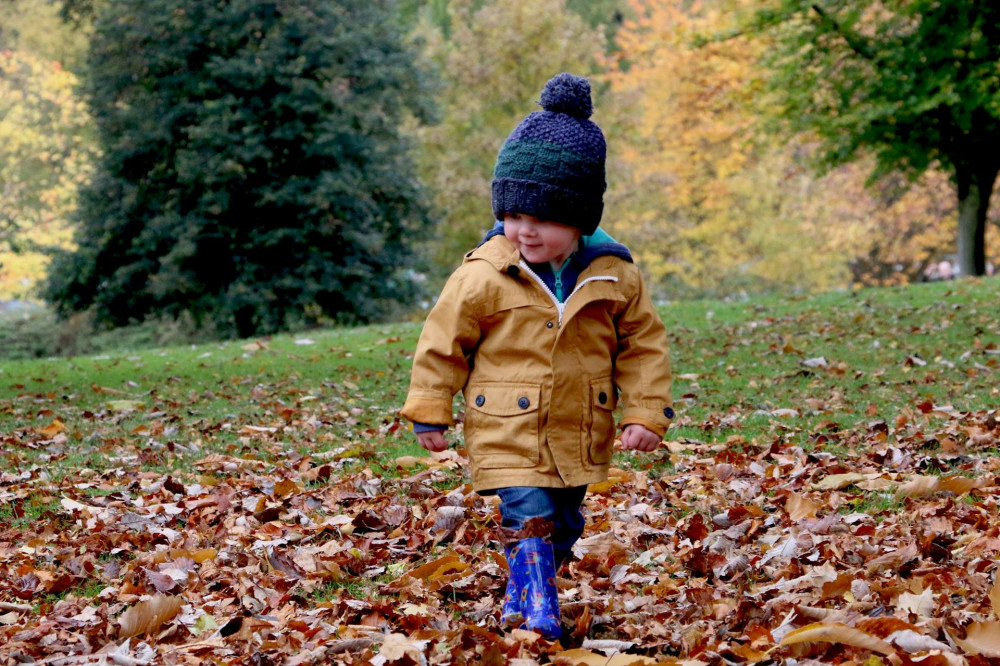
Physical activity is closely tied to mental health. When children run, jump, ride bikes, or dance, their bodies release endorphins that boost mood and reduce stress. Regular movement also improves focus, sleep, and confidence. It gives children a sense of mastery – the feeling that they can do something with their bodies – which translates into greater self-esteem and emotional balance.
It doesn’t have to be organized sports to make a difference. A walk in the park, a game of tag in the backyard, or a spontaneous dance party in the living room can be just as valuable. What matters most is that movement feels joyful and free, not pressured or competitive.
The Power of Imagination
Imagination is the engine of children’s development. It allows them to envision new worlds, solve problems, and make sense of complex emotions. When children engage in imaginative play, they practice thinking creatively and flexibly – skills that are just as important in adulthood.
Imaginative play can also help children cope with difficult feelings. A child pretending to be a brave explorer might be working through fear. Another building a city out of blocks might be creating order in a world that feels uncertain. Imagination gives children a sense of control and hope – two essential ingredients for mental health.
Creating Space for Play and Movement
Parents, teachers, and caregivers can do a lot to support children’s play and movement. It’s not about scheduling every minute, but about creating environments where children can explore freely.
- Allow time and space for free play – without strict rules or adult direction.
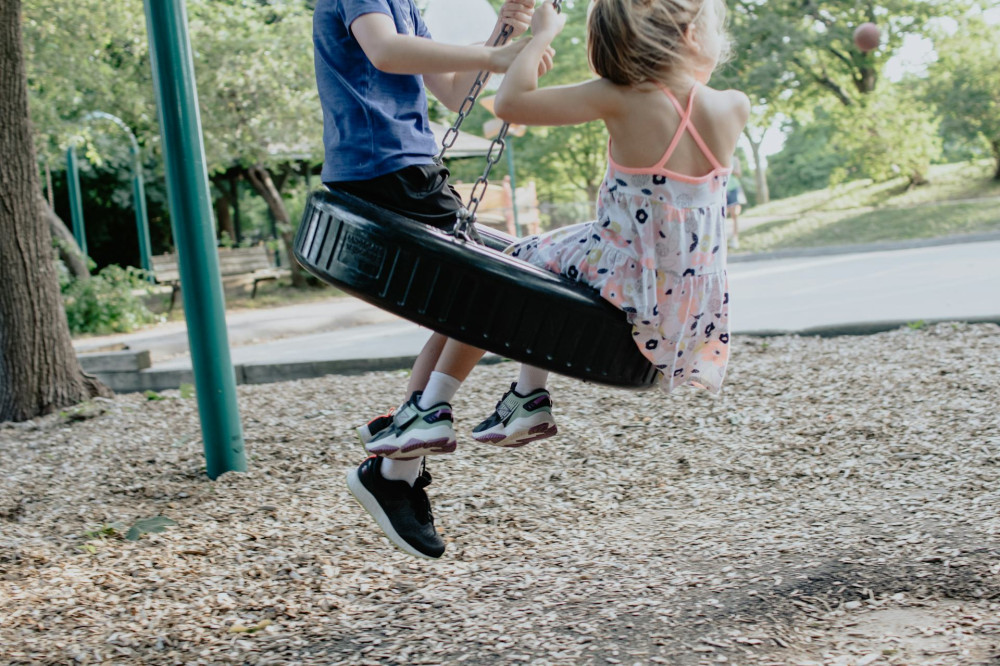
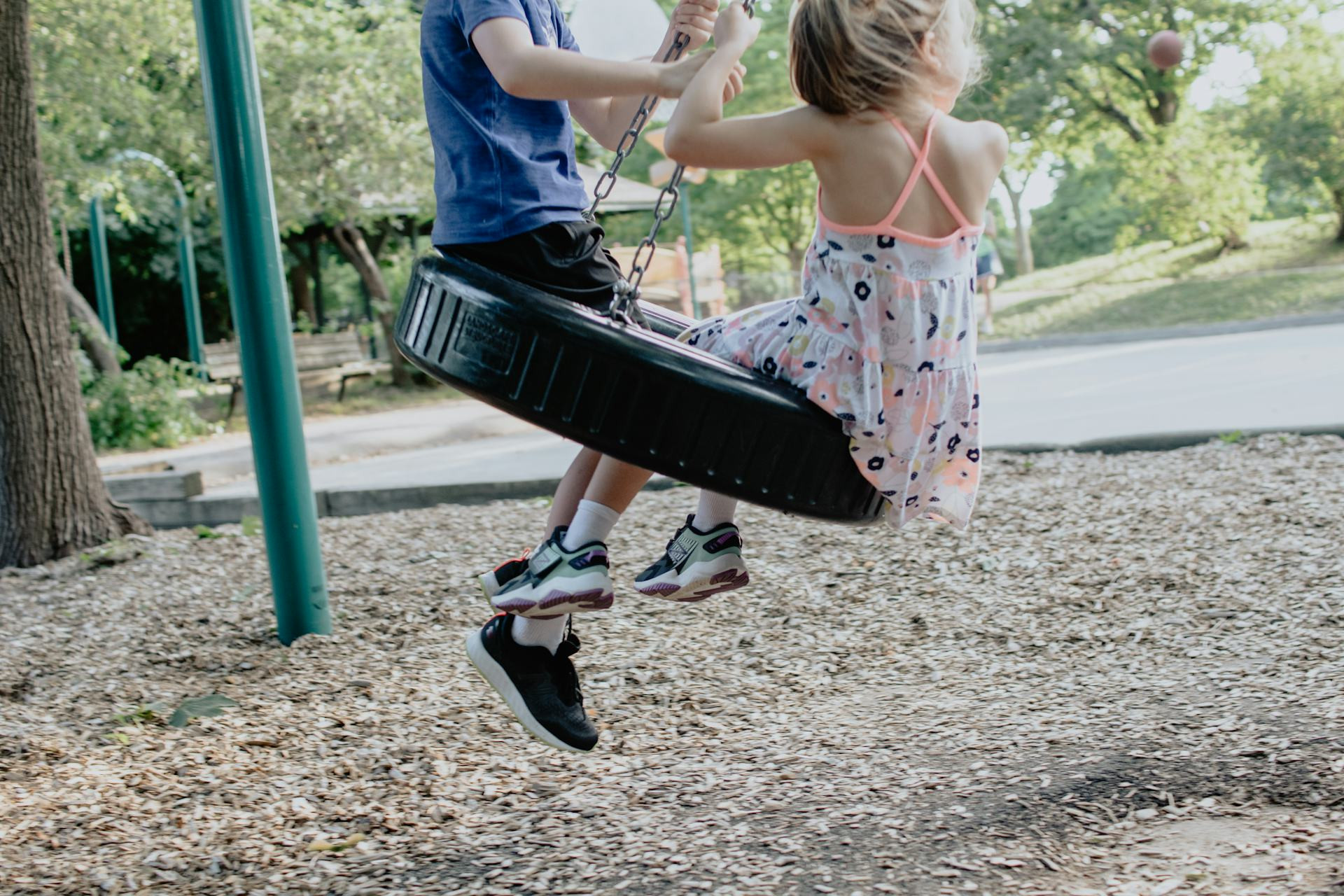
- Encourage movement – indoors and outdoors. A blanket on the floor can become a mountain, and a playground can turn into a kingdom.
- Join in, but let children lead – follow their ideas and let them set the pace.
- Limit screen time – to make room for physical and imaginative activities.
When adults show that play and movement matter, children learn that these activities are valuable parts of life, not distractions from it.
An Investment in the Future
Children’s mental health is shaped early, and play, movement, and imagination are among the most natural and effective ways to nurture it. They help raise resilient, curious, and creative individuals who can face life’s challenges with confidence and joy.
Giving children the freedom to play, move, and dream is more than a gift of childhood – it’s an investment in their lifelong well-being and happiness.
Læs også: