Light and Magnifier: How the Eye Doctor Examines the Eye’s Internal Structures

Light and Magnifier: How the Eye Doctor Examines the Eye’s Internal Structures
When you sit down in the exam chair and a bright light shines into your eye, it can feel a bit intense. But behind that light and the array of instruments lies a precise and gentle method for examining the eye’s internal structures. With modern optical tools, eye doctors can detect even the smallest changes in the retina, cornea, and optic nerve—often long before you notice any symptoms. Here’s a look at how the examination works and what your eye doctor actually sees when you look into the light.
The Eye’s Anatomy – A Window to Your Health
The human eye is one of the body’s most intricate organs. It’s made up of several layers and structures, each playing a vital role in how we see. To assess your vision and detect potential diseases, the eye doctor needs to see all the way through—from the clear cornea at the front to the retina at the back.
The main parts examined include:
- Cornea – the transparent surface that protects the eye and bends light.
- Lens – adjusts focus so you can see clearly at different distances.
- Retina – the light-sensitive layer where visual images are formed.
- Optic nerve – transmits visual signals from the eye to the brain.
Changes in any of these structures can affect vision, which is why a thorough examination is so important.
The Slit Lamp – The Eye Doctor’s Key Instrument
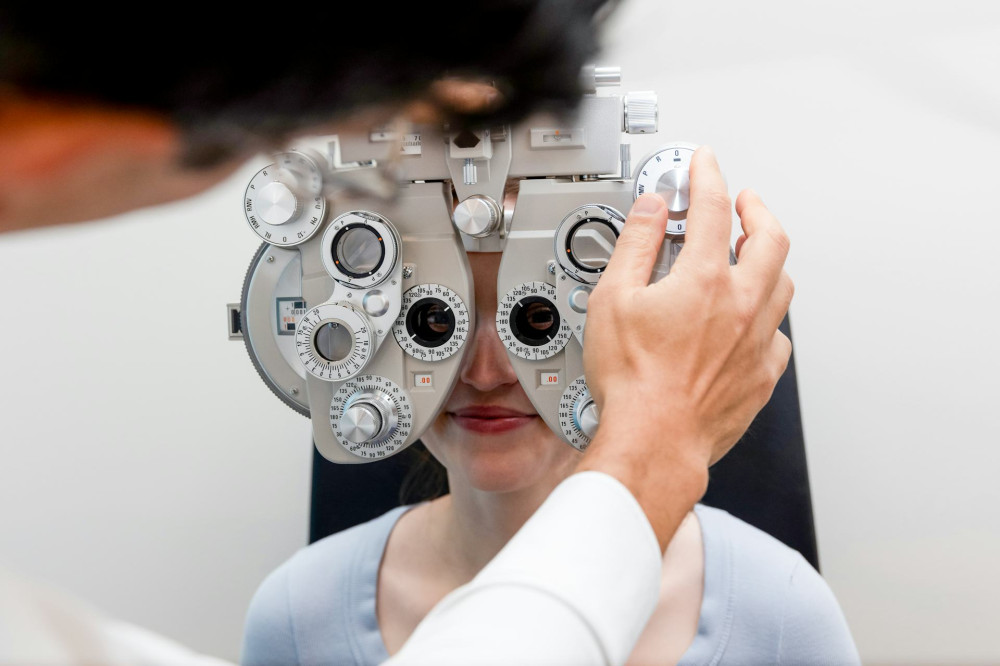
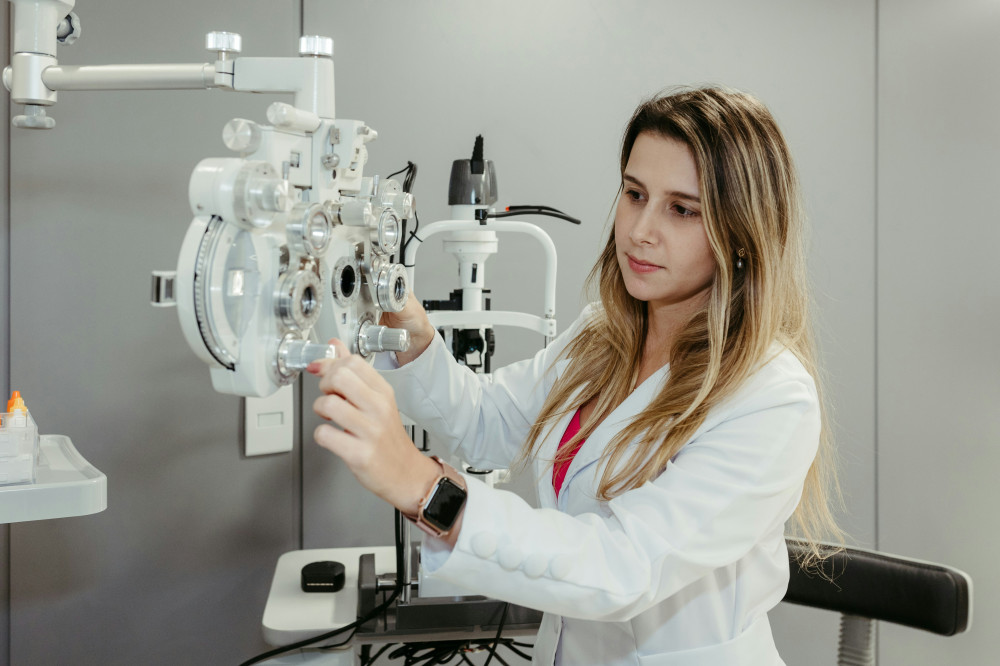
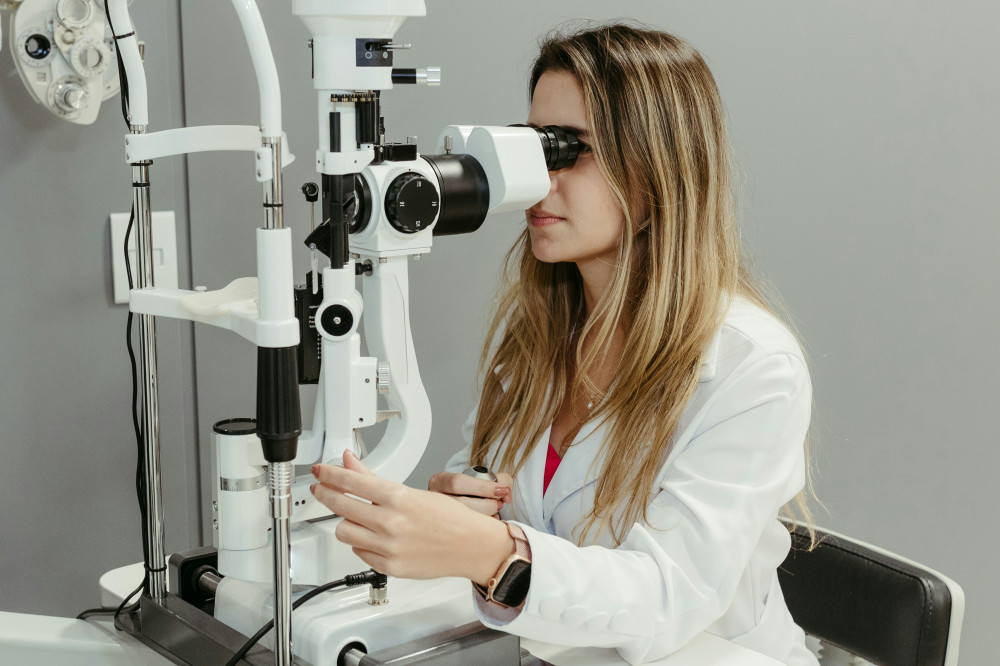
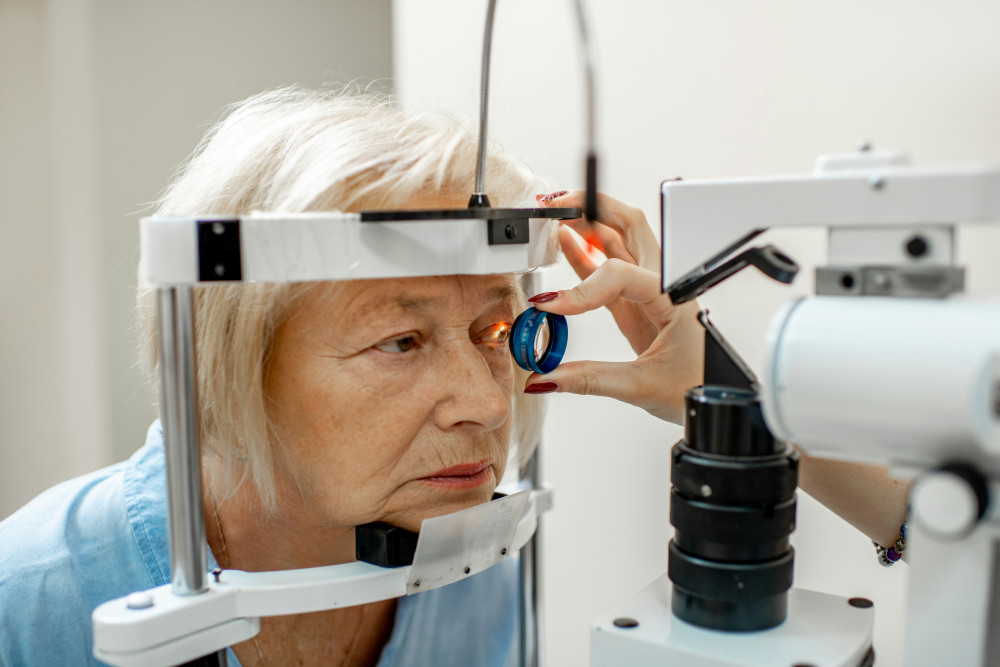
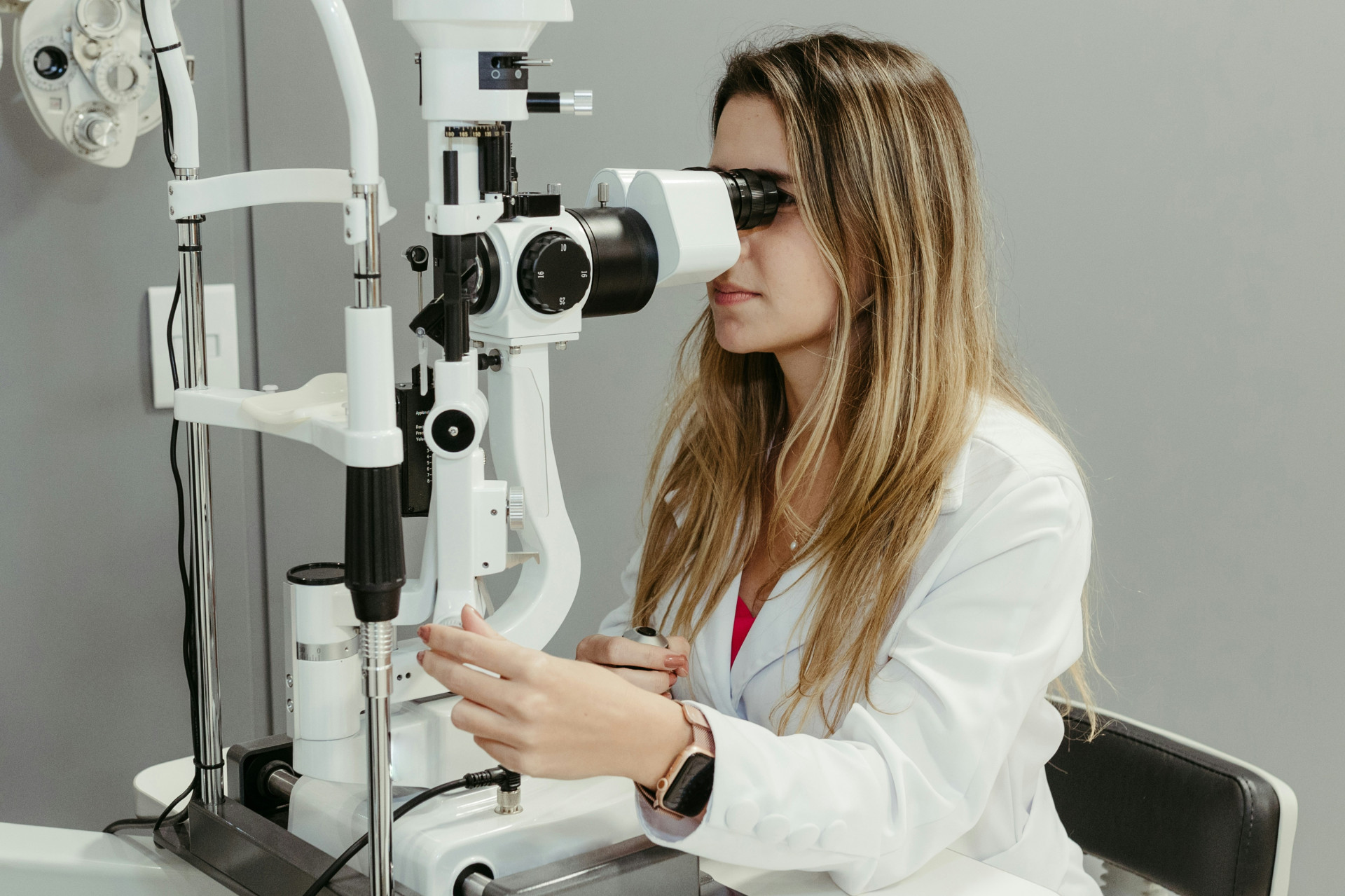
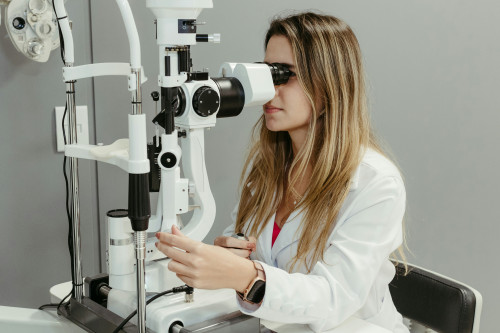
The most recognizable tool in an eye doctor’s office is the slit lamp—a combination of a microscope and a bright light source. You rest your chin on a support while the doctor adjusts a narrow beam of light to illuminate specific parts of your eye.
The light can be shaped into a thin “slit,” allowing the doctor to view the eye’s layers in cross-section. This makes it possible to evaluate everything from the clarity of the cornea to the transparency of the lens and early signs of cataracts. The slit lamp also helps detect inflammation, small scratches, or foreign objects in the eye.
Pupil Dilation – Opening the Eye for a Deeper Look
To get a clear view of the retina and optic nerve, the doctor often uses dilating eye drops. These drops temporarily enlarge the pupil, letting more light in and allowing a full view of the back of the eye.
The process takes a few minutes, and your vision may be blurry or sensitive to light for a couple of hours afterward. That’s completely normal. In return, the doctor can check for early signs of conditions such as glaucoma, retinal detachment, or diabetic eye disease.
Læs også:

Advanced Imaging – Seeing the Eye from the Inside
Today, traditional eye exams are often complemented by digital imaging technologies. One of the most common is OCT (optical coherence tomography), which works a bit like an ultrasound—except it uses light instead of sound. It produces detailed cross-sectional images of the retina, revealing microscopic changes invisible to the naked eye.
Another technique, fundus photography, captures color images of the retina. These photos allow the doctor to track changes over time and compare them with previous exams.
What the Eye Doctor Looks For
The goal of the exam isn’t just to check your vision—it’s to assess the overall health of your eyes. The doctor looks for:
- Signs of glaucoma – where increased eye pressure can damage the optic nerve.
- Cataracts – clouding of the lens that can blur vision.
- Retinal changes – caused by diabetes, high blood pressure, or aging.
- Inflammation or infection – which can cause pain or affect vision.
Many of these conditions develop slowly and without obvious symptoms at first. That’s why regular eye exams are essential for maintaining good vision and catching problems early.
A Moment of Light – and Reassurance
Although the bright light can feel uncomfortable, the exam itself is completely painless. Your eye doctor will guide you through each step and explain what’s happening. For most patients, it’s reassuring to know that everything looks healthy—or that any issues are found early, when they’re easiest to treat.
Looking into the light at the eye doctor’s office isn’t just a routine checkup—it’s an important investment in your vision and overall health. After all, your eyes can reveal much more than how well you see; they can also reflect the health of your entire body.
Læs også: