When a Loved One Has Glaucoma – How You Can Support Them

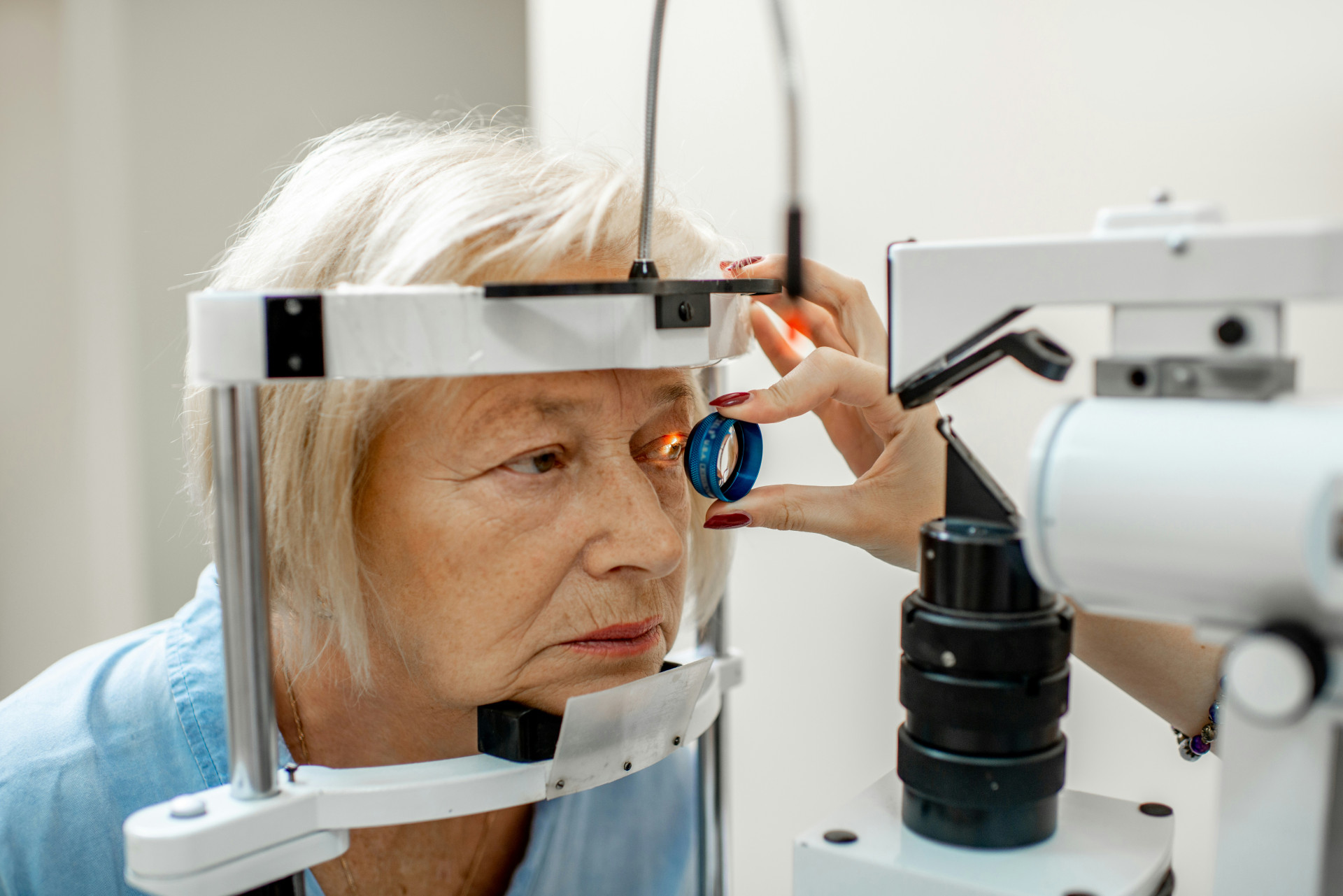
When a Loved One Has Glaucoma – How You Can Support Them
When someone close to you is diagnosed with glaucoma, it can bring up worry, confusion, and many questions. Glaucoma develops slowly and can cause permanent vision loss if not treated properly. For the person affected, it can be a major adjustment—both emotionally and in daily life. As a family member or friend, you can play an important role in offering understanding, encouragement, and practical help. Here’s how you can support your loved one while helping them maintain their quality of life.
Understand the Condition and Its Impact
Glaucoma is a chronic eye disease that damages the optic nerve, often due to increased pressure inside the eye. The damage cannot be reversed, but with early diagnosis and consistent treatment, its progression can be slowed. Over time, many people experience a narrowing of their visual field, which can make activities like reading, driving, or moving around unfamiliar places more difficult.
Learning about how glaucoma affects vision can help you better understand what your loved one is going through. They may become more cautious, tired, or frustrated as they adapt to changes in their sight. Reliable information is available from ophthalmologists, the American Academy of Ophthalmology, or organizations such as the Glaucoma Research Foundation.
Be a Partner in Their Care
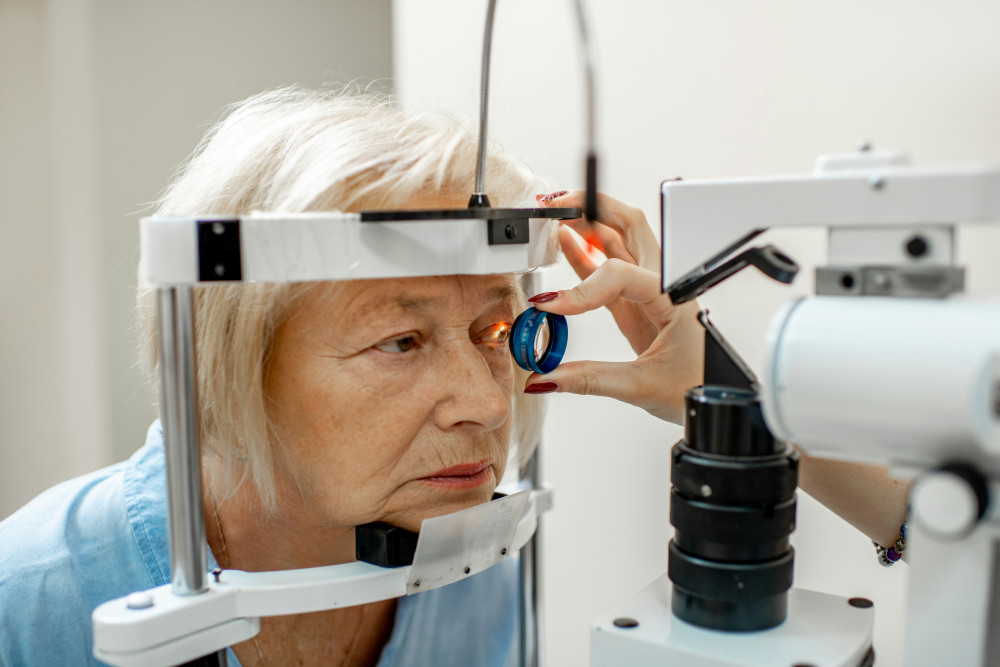
Managing glaucoma usually involves regular eye exams and daily use of prescribed eye drops or other medications. Remembering to take medication consistently can be challenging, especially for those who take multiple prescriptions. You can help by offering gentle, practical support:
- Help set up a daily routine for eye drops—perhaps at the same time each day.
- Offer to accompany your loved one to appointments, especially early on when there’s a lot to take in.
- Write down questions before visits so nothing important is forgotten.
- Keep track of follow-up appointments and prescription refills.
Your involvement can make a big difference, but try to strike a balance—be supportive without taking over. Encouragement and teamwork go a long way.
Talk About the Emotional Side
Even mild vision loss can affect confidence and independence. Many people with glaucoma worry about the future and whether they’ll be able to continue doing the things they love. As a supporter, one of the most valuable things you can do is listen and take their feelings seriously.
Avoid rushing to offer solutions. Sometimes, simply being present and empathetic is what matters most. Ask how they’re feeling, and give space for both frustration and hope. If anxiety or sadness becomes overwhelming, suggest talking with a counselor or joining a glaucoma support group. The Glaucoma Foundation and local vision loss organizations often offer resources and peer connections.
Help Make Everyday Life Easier
While glaucoma rarely leads to total blindness, changes in vision may require some adjustments at home. Small modifications can make daily life safer and more comfortable:
- Ensure good lighting throughout the house, especially near stairs and in the kitchen.
- Remove loose rugs or cords that could cause tripping.
- Use contrasting colors—for example, dark placemats under light dishes—to make objects easier to see.
- Explore assistive tools such as magnifiers, bright reading lamps, or smartphone apps that read text aloud.
If driving becomes difficult, help arrange transportation or explore local paratransit services. At the same time, encourage your loved one to stay as independent as possible—maintaining autonomy supports confidence and well-being.
Encourage an Active and Social Life
Most people with glaucoma can continue doing the activities they enjoy, though they may need extra time or planning. Help find ways to adapt so the condition doesn’t become a barrier to social or recreational life.
Encourage participation in hobbies, exercise, and social gatherings. Staying active benefits both mood and overall health, which in turn supports eye health. If your loved one feels uncertain in new environments, offer to go along until they feel comfortable again.
Læs også:



Take Care of Yourself, Too
Supporting someone with a chronic condition can be emotionally demanding. It’s natural to want to help, but remember to look after your own well-being as well. Talk with friends or family about your experiences, and seek support if you start to feel overwhelmed. Many community centers and caregiver organizations in the U.S. offer resources and support groups for family members.
When you care for yourself, you’ll have more energy and patience to be there for your loved one.
Working Together to Preserve Quality of Life
Glaucoma changes life, but it doesn’t have to take away joy or independence. With proper treatment, practical adjustments, and emotional support, many people continue to live active, fulfilling lives for years to come. As a loved one, your understanding and encouragement can make a real difference—helping them focus on what they can do, not just what they’ve lost.
Supporting someone with glaucoma is ultimately about sharing hope, maintaining connection, and facing the future together.
Læs også: