Foot Hygiene in Closed Shoes – How to Keep Your Feet Healthy and Problem-Free

Foot Hygiene in Closed Shoes – How to Keep Your Feet Healthy and Problem-Free
Our feet carry us through every step of life, yet they often get the least attention. When we spend most of the day in closed shoes—at work, during errands, or while exercising—we create a warm, moist environment where bacteria and fungi thrive. Good foot hygiene isn’t just about comfort; it’s about preventing issues like odor, athlete’s foot, calluses, and infections. Here’s how to keep your feet healthy and comfortable, even when they’re enclosed most of the day.
Wash and Dry Your Feet Thoroughly
It may sound simple, but many people skip this step. Wash your feet daily with warm (not hot) water and mild soap, paying special attention to the spaces between your toes where sweat and dirt collect. After washing, dry your feet completely, especially between the toes. Moisture left behind encourages fungal growth and odor. Use a clean towel reserved just for your feet to avoid spreading bacteria.
Change Socks Daily – and Choose the Right Materials
Socks play a bigger role in foot health than most people realize. They act as a barrier between your skin and your shoes, helping to manage moisture and temperature. Choose socks made from cotton, bamboo, or moisture-wicking blends that allow your skin to breathe and draw sweat away. Avoid fully synthetic materials that trap moisture. Change your socks every day—or more often if you sweat heavily or exercise. This simple habit can make a big difference in comfort and hygiene.
Læs også:

Give Your Shoes Time to Breathe
Even high-quality shoes need time to dry out. Wearing the same pair every day doesn’t allow moisture to evaporate, giving bacteria and fungi a chance to grow. Rotate between two or more pairs of shoes so each pair can air out completely. Remove the insoles after wearing them and let the shoes dry in a well-ventilated area. If your shoes start to smell, sprinkle a bit of baking soda or foot powder inside overnight to absorb moisture and neutralize odor.
Care for Your Skin – Prevent Cracks and Calluses
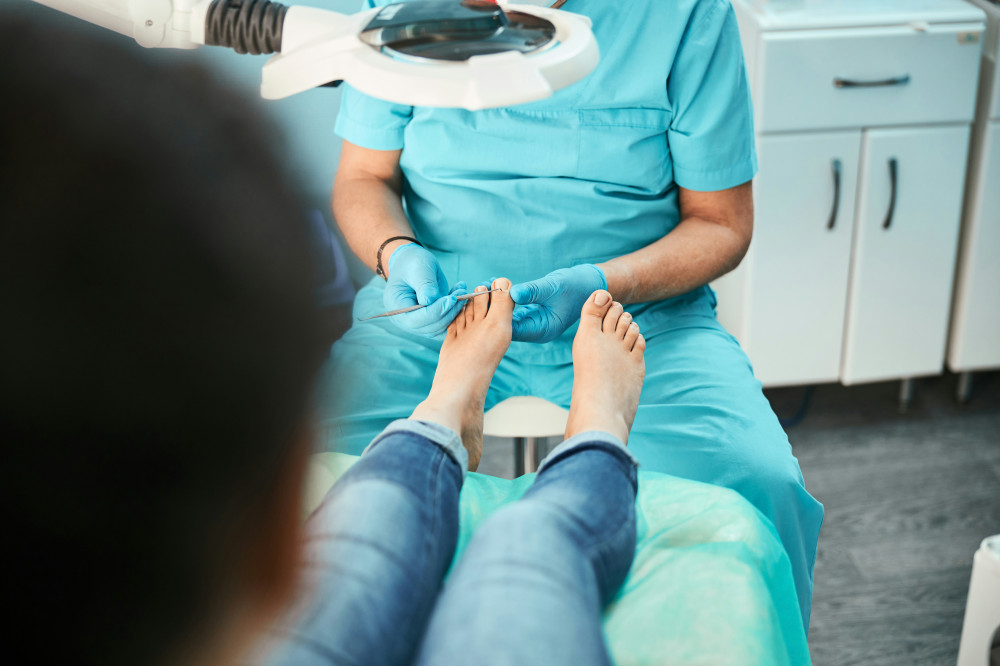
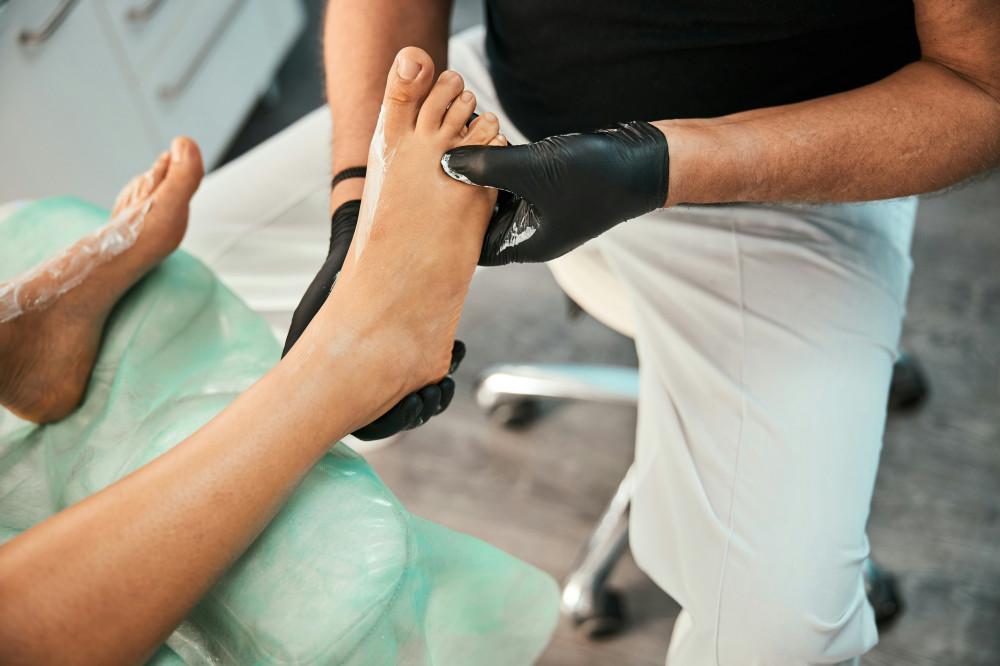
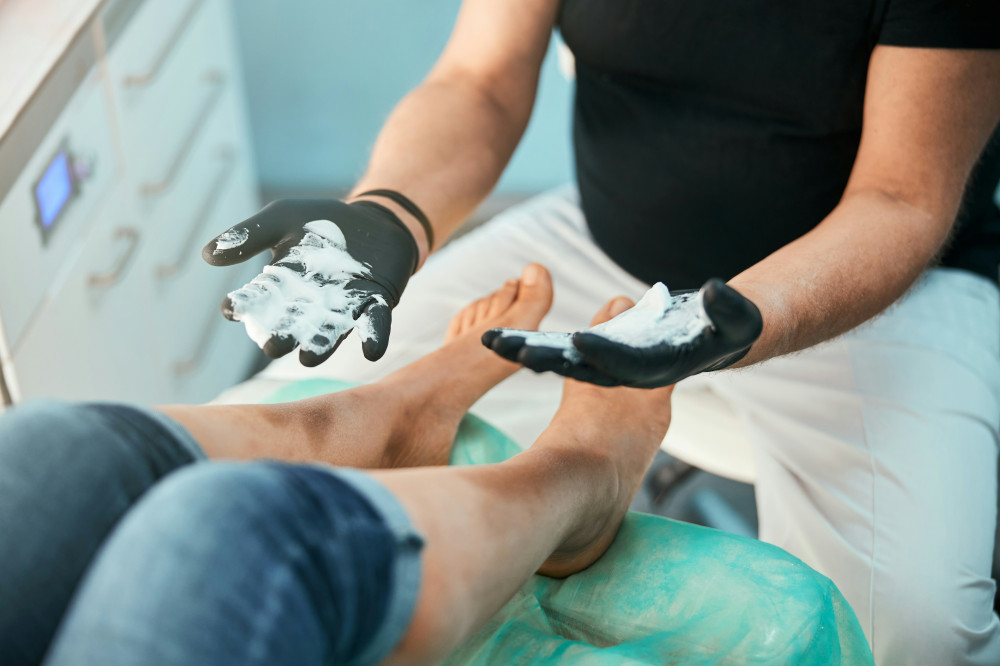
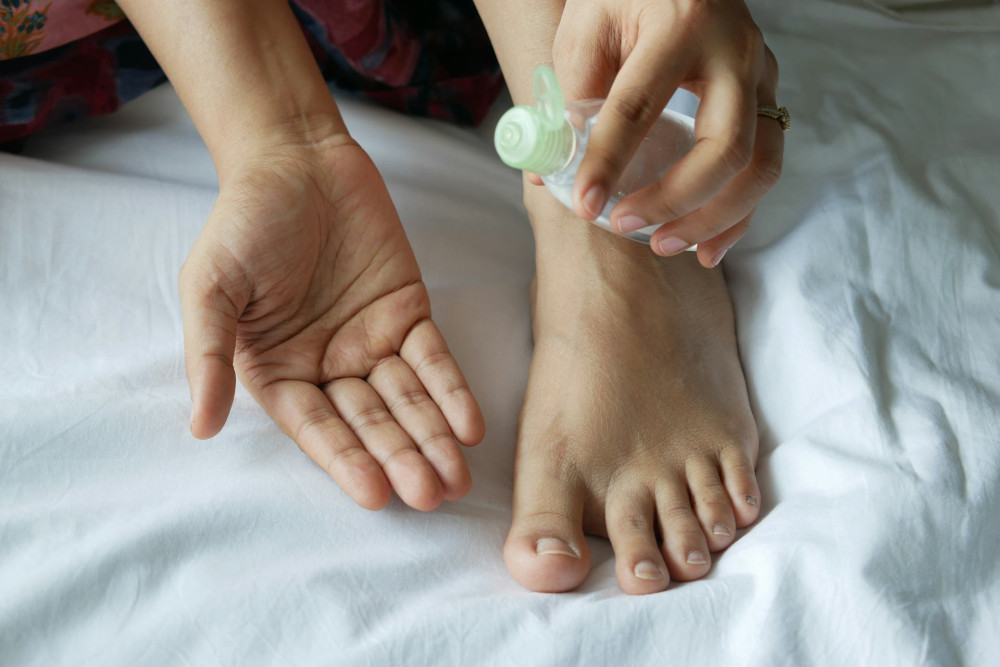
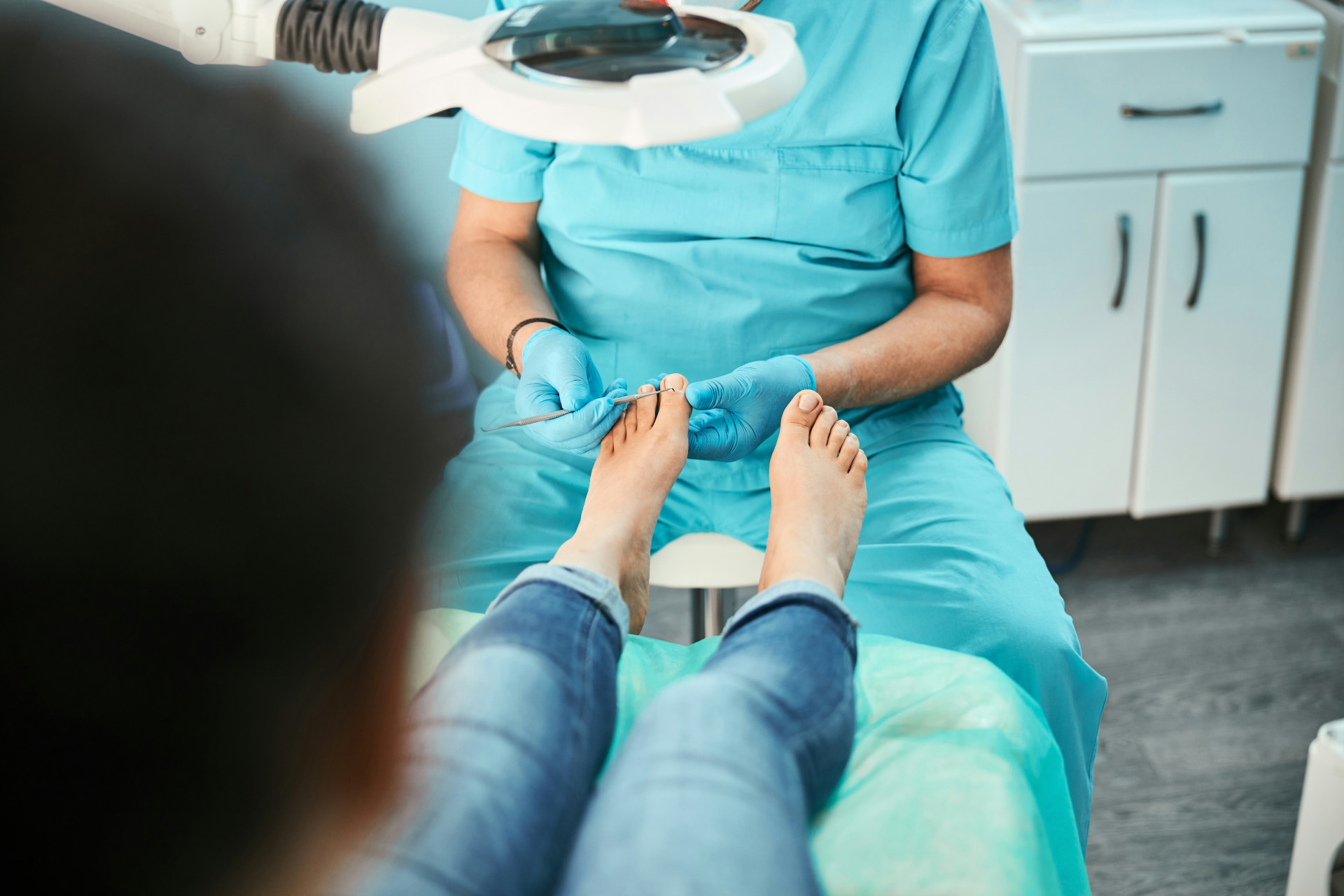
Dry, thickened skin can lead to painful cracks that increase the risk of infection. Apply a moisturizing foot cream daily, but avoid putting lotion between your toes, where excess moisture can cause problems. Once a week, gently remove calluses with a pumice stone or foot file—just be careful not to overdo it. If you struggle with persistent calluses or corns, consider visiting a podiatrist for professional care.
Watch Out for Athlete’s Foot and Nail Fungus
Athlete’s foot is one of the most common foot issues, especially for people who wear closed shoes all day. Symptoms include itching, redness, and peeling skin between the toes. To prevent fungal infections, keep your feet dry, wear clean socks, and avoid sharing shoes or towels. If you notice early signs of athlete’s foot, treat it promptly with over-the-counter antifungal creams or sprays. For nail fungus, consult a healthcare provider, as treatment often takes longer and may require prescription medication.
Practice Good Foot Hygiene After Exercise
After workouts, your feet are warm, sweaty, and confined—perfect conditions for bacteria and fungi. Remove your shoes and socks as soon as possible, wash your feet, and let them dry completely before putting on clean footwear. When using public locker rooms or showers, wear flip-flops or shower sandals to protect your feet from picking up fungal spores on the floor.
Let Your Feet Breathe and Pay Attention to Changes
Even the best closed shoes need breaks. At home, go barefoot or wear open slippers to let your skin breathe. Check your feet regularly for changes such as redness, blisters, or small cuts—especially if you have diabetes or poor circulation. Early attention can prevent minor issues from becoming serious.
Small Habits, Big Results
Good foot hygiene doesn’t take much time, but it does require consistency. A few minutes of care each day can prevent discomfort and keep your feet healthy for the long run. When your feet feel good, it shows in your posture, your energy, and your overall well-being.
Læs også: