When Sneakers Rub Your Skin – How to Protect and Care for Your Feet

When Sneakers Rub Your Skin – How to Protect and Care for Your Feet
A good pair of sneakers can make all the difference in your daily comfort and performance—but they can also become a source of irritation if they rub, pinch, or cause blisters. The skin on your feet takes a lot of stress when you walk, run, or work out, and even small irritations can quickly turn into painful problems. Fortunately, with the right prevention and care, you can keep your feet healthy and comfortable—even when your sneakers get heavy use.
Why Sneakers Rub Your Skin
When you move, your feet are constantly in motion. They sweat, expand, and rub against the inside of your shoes. If your sneakers don’t fit properly, or if your socks trap moisture, friction builds up—and that’s when blisters, calluses, and irritation appear.
New shoes are often the biggest culprits because the materials haven’t yet molded to your feet. But old sneakers can cause trouble too, especially if the insoles are worn down or the heel counter has become loose. Moisture plays a major role: damp skin softens and becomes more vulnerable to friction and tearing.
Choose Sneakers That Fit Your Feet
The best defense against skin irritation is choosing sneakers that fit your foot shape and activity.
- Try shoes on later in the day, when your feet are slightly swollen—this gives the most accurate fit.
- Check both length and width—you should have about a thumb’s width of space in front of your toes, and the sides shouldn’t feel tight.
- Look for breathable materials that allow moisture to escape.
- Replace worn-out sneakers regularly—running shoes, for example, lose their support after about 300–600 miles, depending on your weight and running surface.
If you have specific needs, such as flat feet or high arches, custom or over-the-counter insoles can provide better support and reduce friction.
Socks Matter More Than You Think
Socks are more than just a layer of fabric—they’re your first line of defense between your skin and your shoes. The right material can make a big difference.
- Avoid cotton, which traps moisture and increases the risk of blisters.
- Choose moisture-wicking fabrics like merino wool blends or synthetic fibers that pull sweat away from the skin.
- Make sure socks fit snugly, without wrinkles or folds that can rub.
- Consider double-layer socks for long runs or hikes—they reduce friction against the skin.
Change your socks if they get damp, and wash them without fabric softener to preserve their moisture-wicking properties.
Prevent Blisters and Hot Spots
Even with good shoes and socks, your skin can still take a beating. Here are some simple ways to protect your feet:
- Use athletic tape or blister patches on high-friction areas like heels, toes, and the sides of your feet.
- Apply a protective balm or petroleum jelly before workouts to reduce friction.
- Keep your feet dry—use foot powder if you tend to sweat a lot.
- Break in new sneakers gradually, giving your skin time to adjust.
If you feel irritation starting, stop and check your shoes and socks before it gets worse. A small adjustment can prevent a painful blister later.
Care for Your Feet After Activity
After a long run, workout, or day on your feet, your feet deserve some attention. Regular care keeps the skin strong and resilient.
- Wash your feet in warm water and dry them thoroughly—especially between the toes.
- Gently remove calluses with a pumice stone or foot file, but don’t overdo it—a little tough skin offers protection.
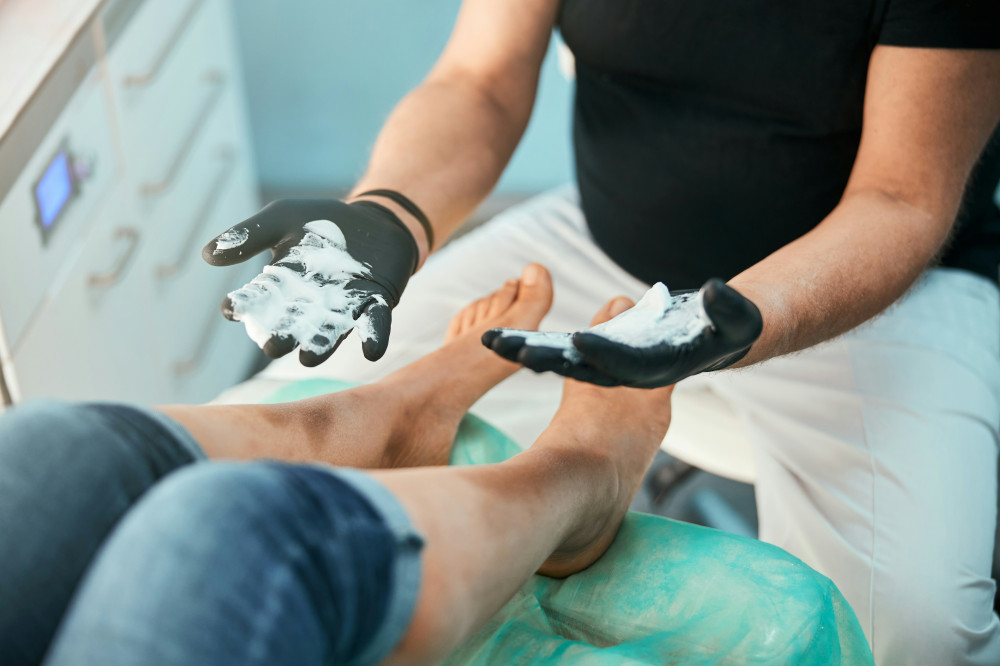
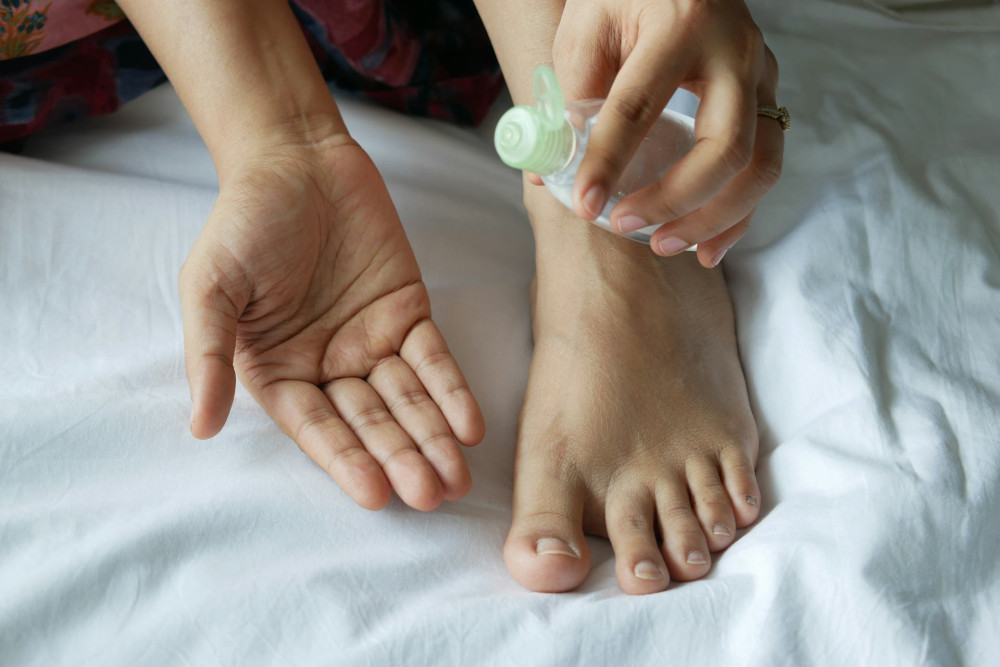
- Apply a moisturizing foot cream to keep the skin supple and prevent cracking.
- Let your feet breathe—go barefoot at home when possible to allow air circulation.
If you get a blister, leave the skin intact until it naturally loosens. It acts as a natural bandage and helps prevent infection.
Læs også:


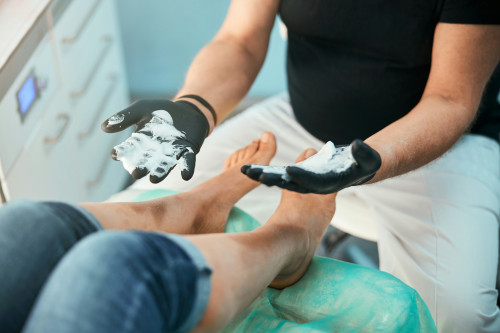
When to Seek Professional Help
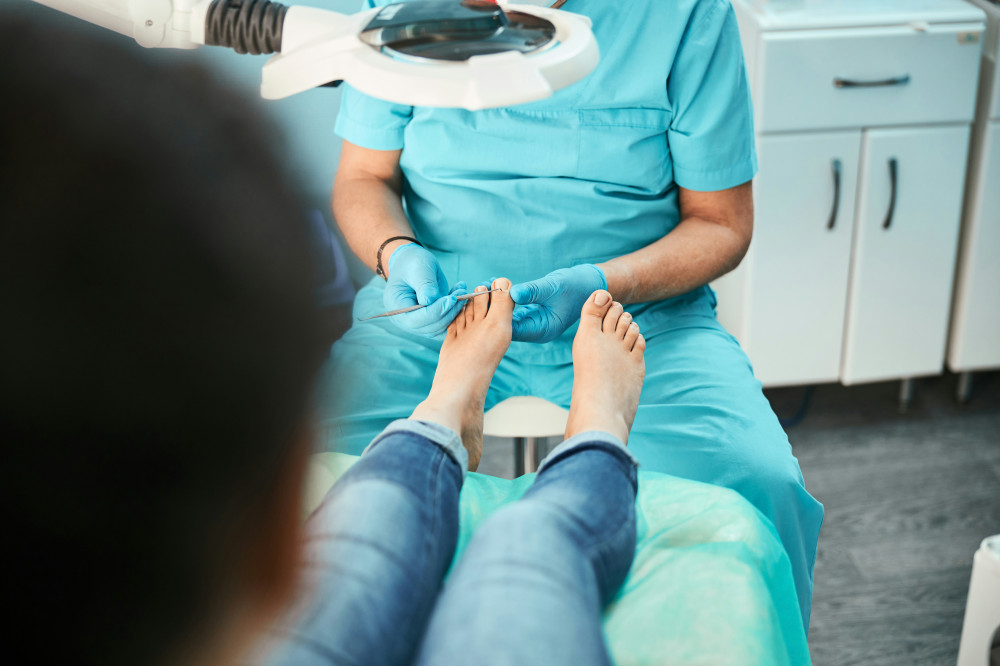
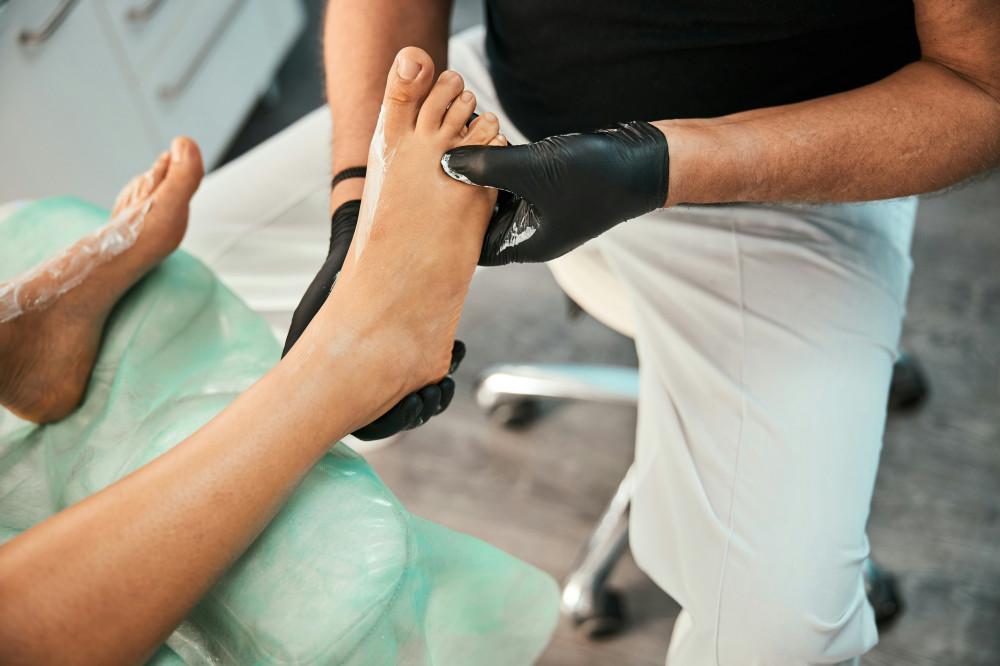
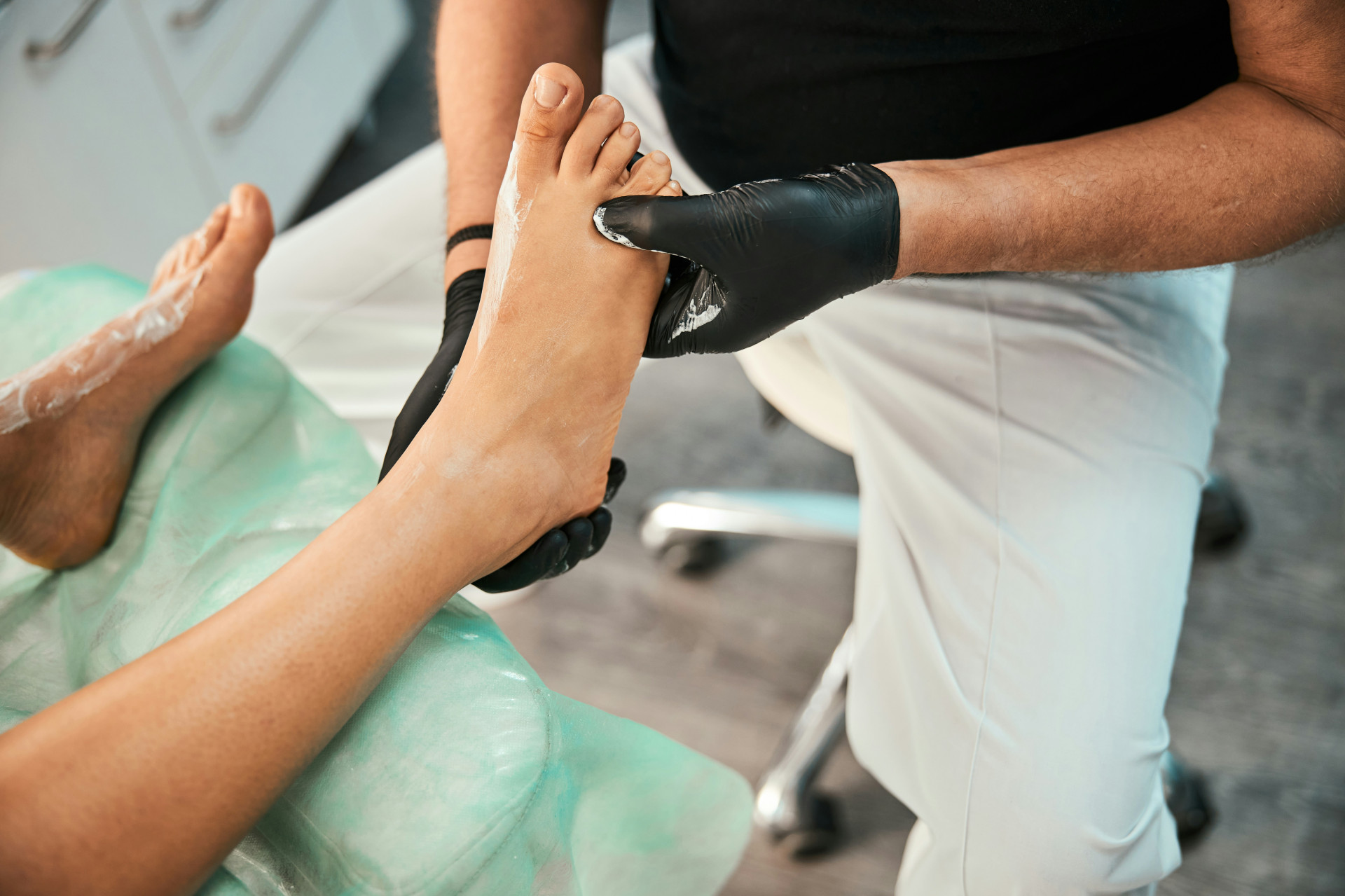
Most foot issues can be managed at home, but if you experience persistent pain, swelling, or sores that don’t heal, it’s time to see a podiatrist or healthcare provider. This is especially important if you have diabetes or poor circulation, as even small wounds can become serious.
A professional can also assess your gait and recommend shoes or orthotics that help prevent future problems.
Your Feet Carry You—Take Care of Them
Your feet are the foundation of every step you take. They carry you through workouts, errands, and adventures. By choosing the right sneakers, wearing proper socks, and giving your skin the care it needs, you can avoid pain and discomfort—and enjoy the freedom of moving without limits.
Læs også: