New Insoles: Now Lighter, More Flexible, and More Breathable Than Ever

New Insoles: Now Lighter, More Flexible, and More Breathable Than Ever
Insoles have long been a go-to solution for athletes, people with foot pain, and anyone looking to add a bit of extra comfort to their shoes. But if you remember older models as bulky or stiff, it’s time to take another look. Thanks to major advances in materials and design, today’s insoles are lighter, more flexible, and far more breathable than ever—without sacrificing support or durability.
Advanced Materials for a Lighter Feel
One of the biggest breakthroughs in modern insole design comes from the materials used. Traditional insoles were often made from dense foam or rigid plastic, which could feel heavy and restrictive. Now, manufacturers are turning to high-performance materials like EVA foam, carbon fiber reinforcements, and thermoplastic elastomers. These materials provide the same level of support but at a fraction of the weight.
The result is an insole that feels more natural underfoot—almost like part of the shoe itself. Many users report being able to wear them all day without the fatigue or discomfort that older insoles sometimes caused.
Flexibility That Moves With You
Flexibility is another area where innovation has made a huge difference. Modern insoles are engineered to move with your foot, not against it. By incorporating zones with varying levels of stiffness, designers can provide firm support where it’s needed—such as the heel and arch—while allowing the forefoot to move freely.
This dynamic flexibility makes the new insoles ideal for active lifestyles. Whether you’re running, hiking, or spending long hours on your feet at work, the insoles help reduce strain and promote a more natural gait. The result is better comfort and less risk of overuse injuries.
Breathability and Moisture Control
Perhaps the most noticeable improvement is in breathability. Older insoles could trap heat and moisture, leading to sweaty, uncomfortable feet. Today’s models use perforated surfaces, moisture-wicking fabrics, and even antimicrobial coatings to keep feet cool, dry, and fresh.
Some brands have introduced 3D-knit top layers that combine ventilation with soft cushioning. This not only enhances comfort but also helps maintain a healthier environment inside your shoes—reducing odor and irritation, even during intense activity.
Læs også:


Personalized Fit Through New Technology
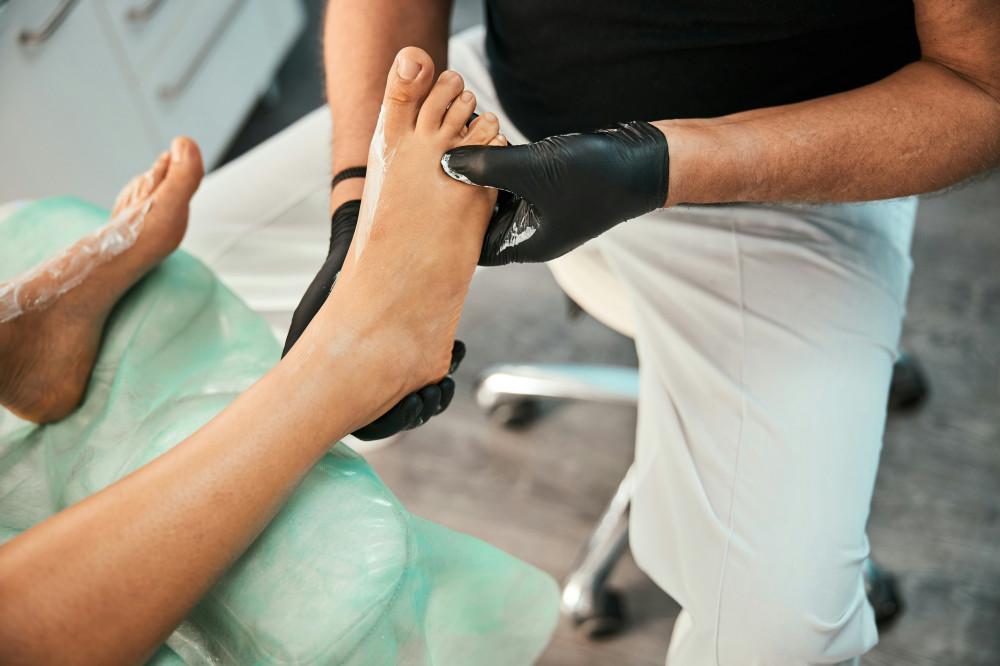
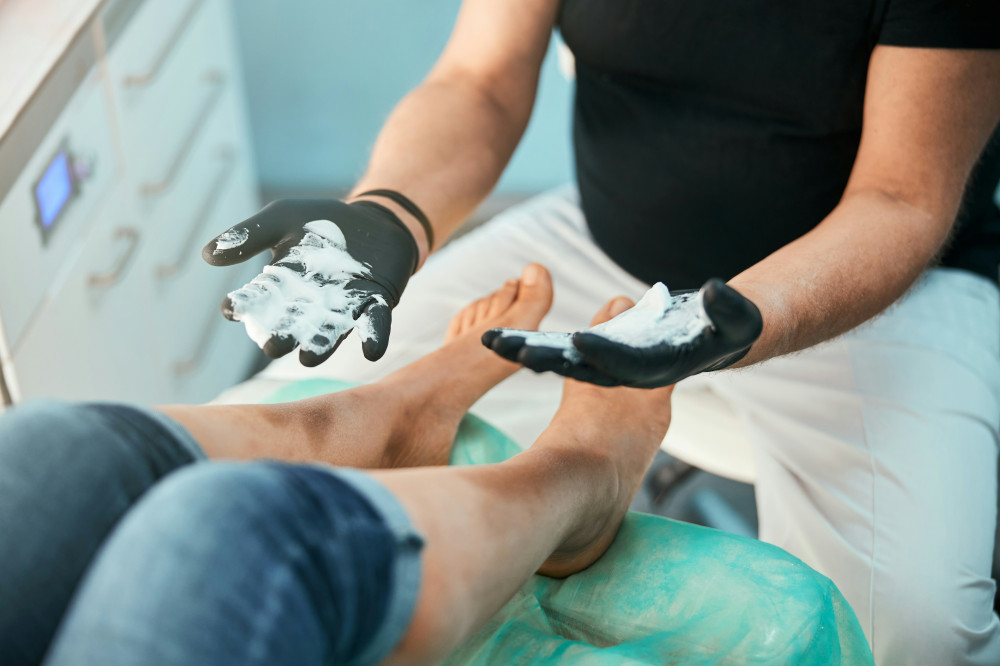
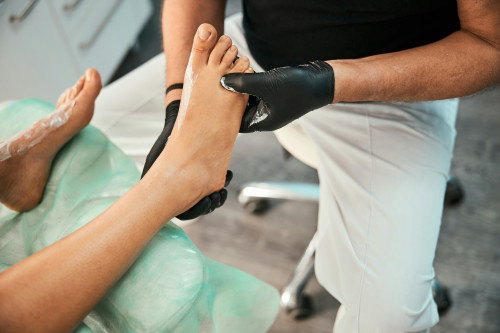
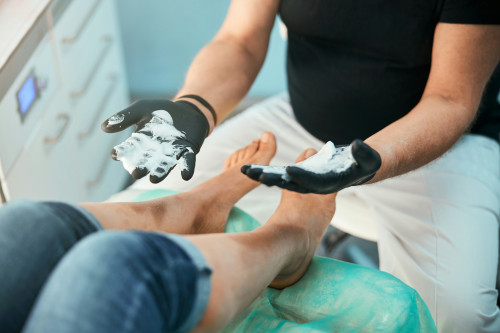
Technology has also made it easier than ever to get insoles that fit your feet perfectly. Instead of relying on standard sizes, many companies now offer custom options based on 3D scans of your feet. These scans capture pressure points and movement patterns, allowing for insoles that provide targeted support exactly where you need it.
Specialty clinics and sports stores across the U.S. are adopting this technology, making custom-fit insoles more accessible to everyday consumers. Whether you have flat feet, high arches, or simply want better comfort, a personalized insole can make a noticeable difference.
A Step Toward Healthier Feet
The latest generation of insoles represents a major leap forward in comfort and performance. With their lighter weight, improved flexibility, and enhanced breathability, they’re easier to wear—and more effective—than ever before. For many people, that means less pain, better balance, and a more natural stride.
Whether you use insoles for medical reasons or just to make your favorite shoes more comfortable, it’s worth exploring the newest options. They might just be the key to healthier feet—and a more comfortable day, every day.
Læs også: