Back to Your Natural Hair Color – Step by Step the Gentle Way

Back to Your Natural Hair Color – Step by Step the Gentle Way
After years of coloring your hair, you might find yourself longing to return to your natural shade. Maybe you want a lower-maintenance routine, a more authentic look, or simply to give your hair a break from chemicals. Whatever your reason, transitioning back to your natural color takes patience and care. Here’s a gentle, step-by-step guide to help you through the process while keeping your hair healthy and beautiful.
Step 1: Identify Your Natural Shade
If it’s been a while since you’ve seen your natural hair color, start by figuring out what it actually is. Look at your roots, old photos, or ask your stylist for help—they can often determine your natural tone based on your skin and eye color.
You might also consider whether you want to return to your exact natural shade or choose a tone close to it that complements your current style and complexion. Sometimes a slightly softer or warmer version of your natural color can look even better than what you remember.
Step 2: Give Your Hair a Break from Coloring
Once you’ve decided to go natural, the best thing you can do is pause all chemical treatments. Let your roots grow out for a while so you can see how your natural color blends with the dyed lengths. This can take time, but it’s the healthiest way to transition.
If the contrast between your roots and the rest of your hair feels too harsh, try using tinted conditioners or semi-permanent glosses that gradually wash out. These can help soften the line between old color and new growth without damaging your hair.
Step 3: Transition Gradually
For most people, a gradual approach is the most realistic and flattering. There are several ways to make the process smoother:
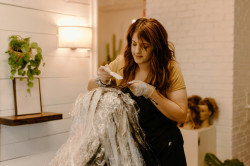
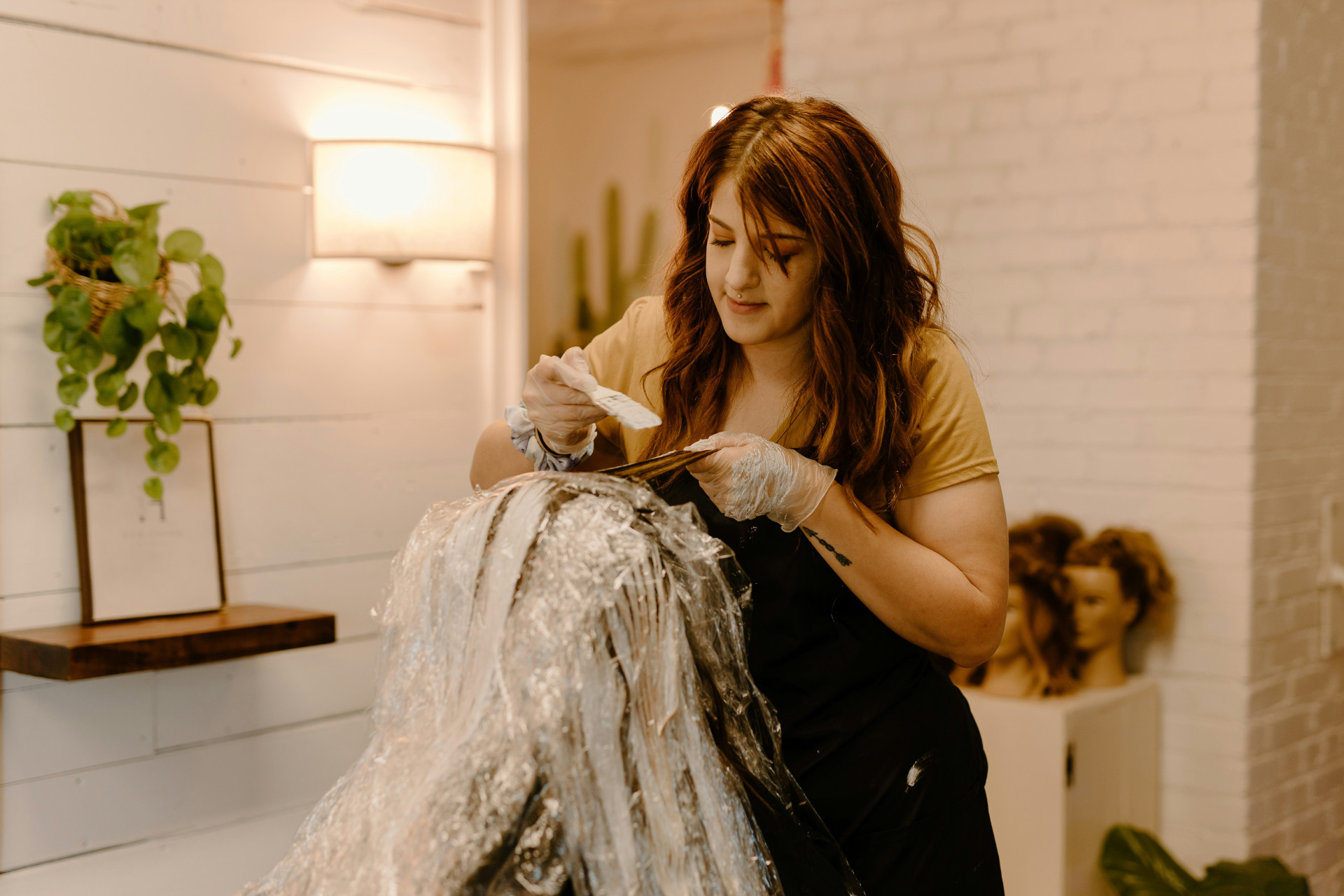
- Balayage or lowlights: Ask your stylist to add highlights or lowlights in shades close to your natural color. This creates a soft, blended transition between your dyed and natural hair.
- Toning: A gentle toner can reduce the contrast between your roots and the rest of your hair, making the grow-out phase less noticeable.
- Regular trims: As your hair grows, trim off the colored ends little by little. Over time, you’ll remove the old color completely without a drastic chop.
This approach takes patience, but it results in a more natural, harmonious look.
Step 4: Care for Your Hair Along the Way
Colored hair often needs extra care, especially during the transition phase. Use sulfate-free shampoos and nourishing masks to keep your hair hydrated and strong. Look for products with natural oils like argan, coconut, or jojoba to maintain shine and softness.
Try to limit heat styling, as blow dryers and flat irons can make your hair more fragile. When you do use heat, always apply a heat protectant spray. Regular trims every six to eight weeks will also help keep your hair looking healthy and prevent split ends.
Step 5: Seek Professional Advice
Even if you’re managing most of the process at home, consulting a professional stylist can make a big difference. They can assess your current color, recommend the best way to tone it down, and suggest products suited to your hair type. If you’ve used dark or permanent dyes for years, a stylist can also guide you through a safe color correction process if needed.
Professional guidance ensures that your hair stays strong and that the transition looks intentional rather than uneven.
Step 6: Embrace the Process
Returning to your natural hair color doesn’t happen overnight. It’s a journey that requires patience and a willingness to accept a few awkward stages along the way. But many people find the process empowering—it’s a chance to reconnect with your authentic self and enjoy healthier, more manageable hair.
When you finally reach your natural shade, you may be surprised by how flattering it is. Your natural color often complements your skin tone and eyes perfectly—and best of all, it requires far less upkeep.
Læs også:
A Healthier, More Authentic You
Going back to your natural hair color isn’t just about appearance—it’s about well-being. You’re giving your hair a chance to recover from years of chemical treatments and simplifying your beauty routine. It’s an investment in both your hair’s health and your peace of mind.
Take it one step at a time, treat your hair gently, and enjoy watching your natural color shine through again.
Læs også: