Wash Your Hair Without Shampoo: Try the Conditioner-Only Method

Wash Your Hair Without Shampoo: Try the Conditioner-Only Method
Most of us grew up believing that shampoo is essential for clean, healthy hair. But in recent years, more and more people have discovered that you can actually wash your hair without shampoo—and still get soft, shiny, and fresh results. The method is called conditioner-only washing or co-washing, and it involves using conditioner instead of shampoo. Here’s an introduction to how it works, who it’s best for, and how to get started.
Why Skip the Shampoo?
Shampoo is designed to remove dirt, oil, and product buildup from your hair and scalp. However, many shampoos contain sulfates—strong detergents that can strip away your hair’s natural oils, leaving it dry, frizzy, or dull. For people with curly, dry, or color-treated hair, this can mean losing the moisture and shine that make hair look healthy.
The conditioner-only method is based on the idea that a gentle conditioner can cleanse your hair well enough without removing those natural oils. Conditioners contain mild cleansing agents that can dissolve dirt and oil while adding moisture and nourishment at the same time.
Læs også:
How the Method Works
When washing your hair with conditioner, technique and patience are key. Here are the basic steps:
- Choose the right conditioner. Look for a silicone-free, sulfate-free, and lightweight formula. Products labeled “co-wash” or “cleansing conditioner” are ideal.
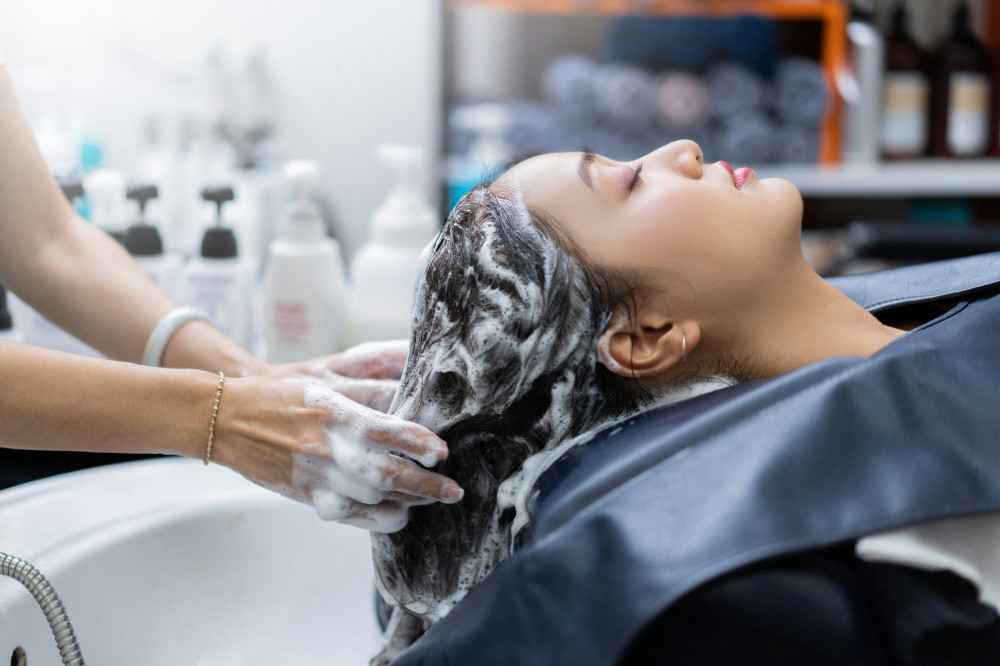
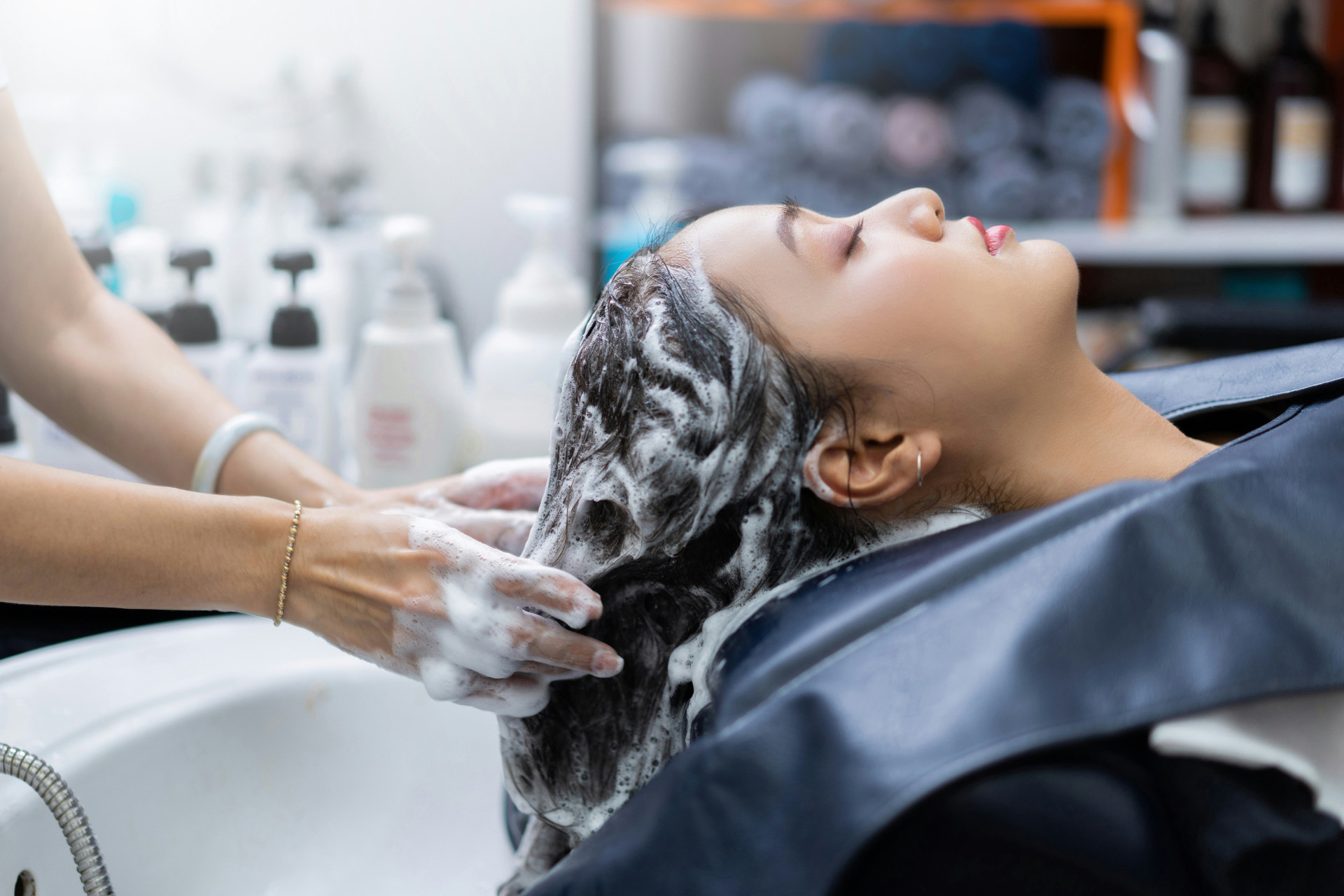
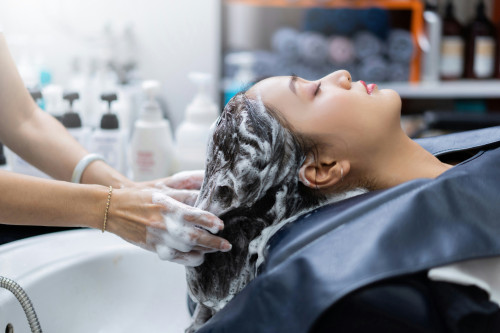
- Apply to your scalp. Massage the conditioner thoroughly into your scalp for a few minutes. The massaging action helps loosen dirt and oil.
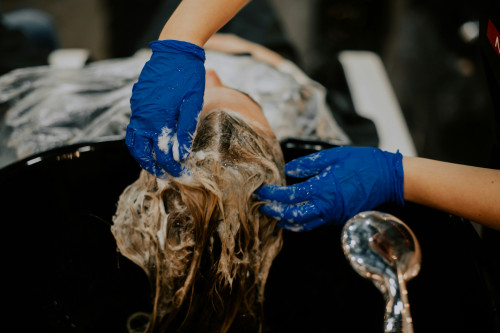
- Rinse well. Use plenty of water to rinse out all residue. This step is crucial to prevent your hair from feeling heavy or greasy.
- Condition the ends. If your hair needs extra moisture, apply a separate conditioner to the lengths and ends and let it sit for a few minutes before rinsing.
At first, your hair might feel different—maybe heavier or less airy. That’s normal. Your scalp needs time to adjust to not being stripped by shampoo. After a few weeks, most people find that their hair feels softer, healthier, and more balanced.
Who Can Benefit from Co-Washing?
The conditioner-only method is especially popular among people with:
- Curly or wavy hair, which tends to need more moisture.
- Dry or damaged hair, such as from coloring or heat styling.
- Sensitive scalps, which may react to sulfates or fragrances.
If you have very fine hair or an oily scalp, you might need to adapt the method. Some people alternate co-washing with a gentle shampoo every few washes to keep their scalp feeling fresh.
Pros and Cons
Like any hair care routine, co-washing has both advantages and drawbacks.
Pros:
- Less dryness and irritation for hair and scalp.
- More shine and softness, especially for textured hair.
- Reduced need for styling products, since hair becomes more manageable.
Cons:
- Requires patience and an adjustment period.
- Possible buildup if you don’t rinse thoroughly.
- Not all hair types respond well to conditioner-only washing.
The key is to listen to your hair and adjust as needed. Some people stick with co-washing full-time, while others mix it with occasional shampoo use.
Tips for a Smooth Transition
If you want to try the conditioner-only method, these tips can make the switch easier:
- Start gradually. Replace every other wash with a conditioner wash at first.
- Clarify before you begin. Use a clarifying shampoo once to remove old buildup.
- Be consistent for a few weeks. Your scalp needs time to rebalance its oil production.
- Experiment with products. Not all conditioners work the same—try a few until you find one that suits your hair type.
A Healthier Approach to Hair Care
The conditioner-only method isn’t just about skipping shampoo—it’s about rethinking how we care for our hair. Many people find that their hair becomes more vibrant and their scalp feels healthier when it’s not constantly stripped of natural oils. It can also be a more sustainable choice, since you may use fewer products and less water overall.
If you’re curious about more natural hair care, co-washing is a great place to start. It takes a little patience, but the reward is softer, stronger, and more balanced hair.
Læs også: