When Hair Ages: How Strength and Shine Change Over Time

When Hair Ages: How Strength and Shine Change Over Time
Hair is more than just a feature—it’s a reflection of health, personality, and confidence. But as the years go by, hair naturally changes in texture, strength, and shine. Many people notice that their hair becomes thinner, drier, or less elastic with age. Understanding why these changes occur can help you care for your hair more effectively and keep it looking vibrant for as long as possible.
What Happens to Hair as We Age?
Hair is primarily made of keratin, a protein produced in the hair follicles. Over time, keratin production slows down, and the follicles themselves may shrink. This leads to thinner strands and slower growth. At the same time, the scalp’s sebaceous glands produce less oil, leaving hair drier and less glossy.
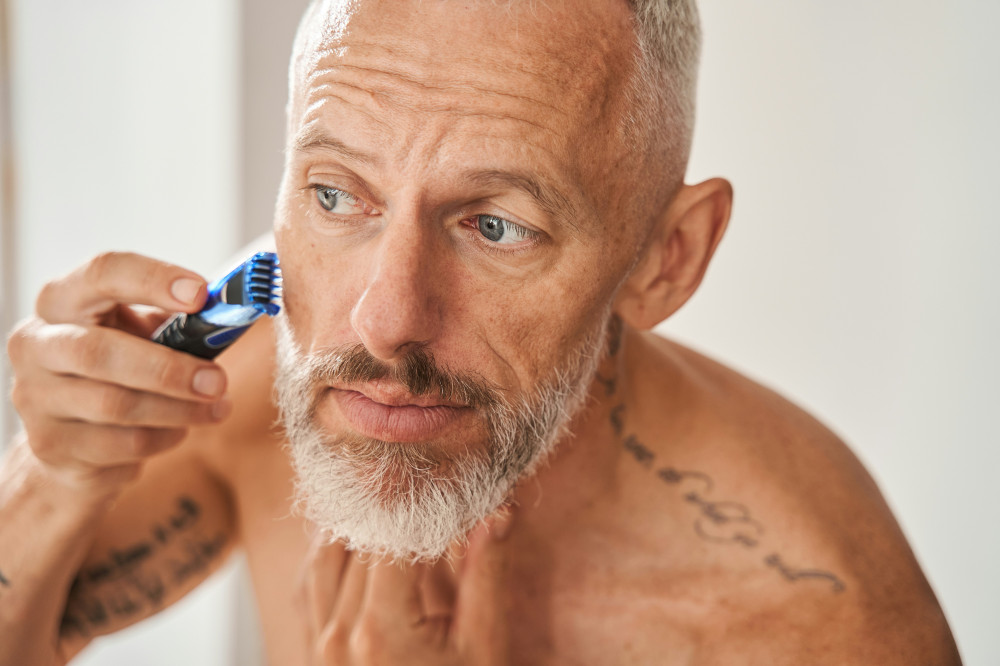
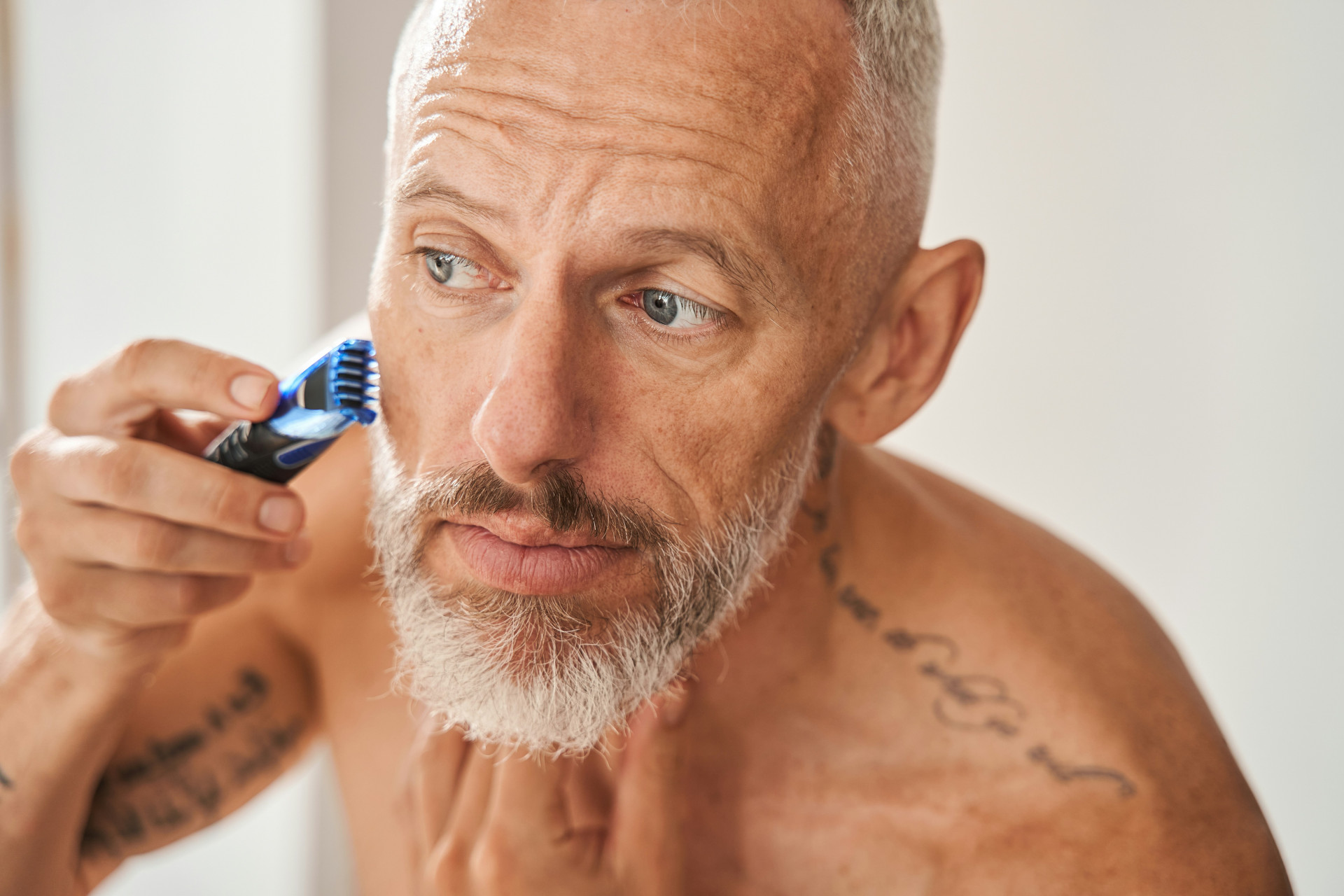
Pigment cells in the follicles also lose activity with age, which causes hair to turn gray or white. Gray hair isn’t necessarily weaker, but it often feels coarser and drier because it lacks the natural oils that younger hair has.
The Role of Hormones
Hormones play a major role in the hair growth cycle. In both men and women, hormonal changes—especially decreases in estrogen and testosterone—can affect hair density and texture. Many women notice thinning hair after menopause, while men often experience more pronounced hair loss at the crown and temples.
Stress, illness, and certain medications can also disrupt hormonal balance, influencing hair growth and strength. This means that the way hair ages isn’t just about time—it’s also about overall health and lifestyle.
From Glossy to Dull: Why Hair Loses Its Shine
Shiny hair reflects light evenly across the surface of each strand. When the outer layer—the cuticle—becomes rough or damaged, light scatters instead of reflecting smoothly, making hair appear dull. As we age, the cuticle can become more porous due to reduced oil production and years of exposure to sun, heat, and styling.
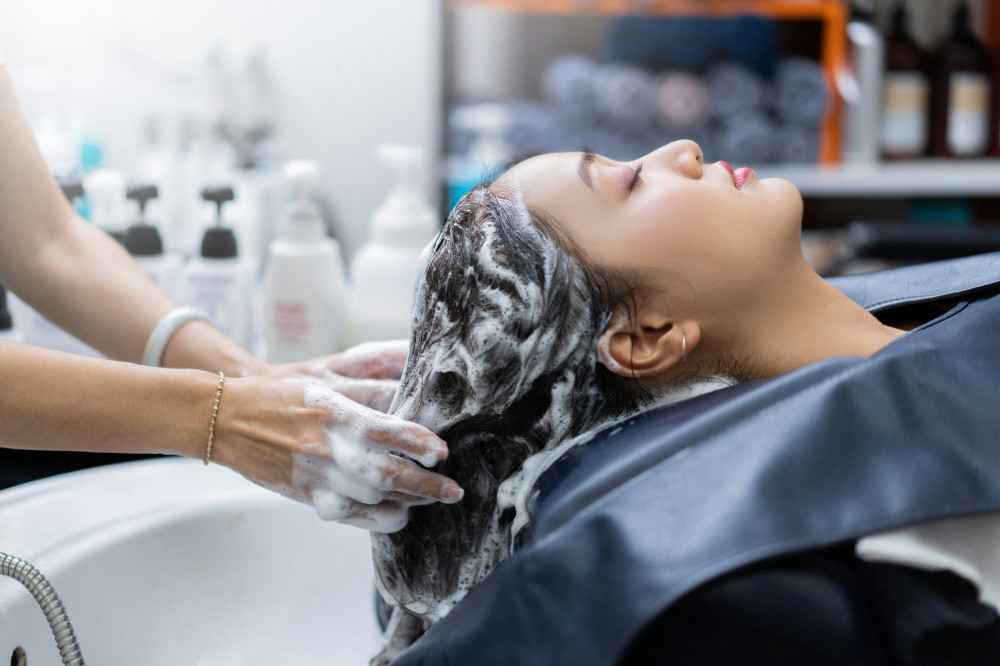
To restore shine, aging hair often needs extra moisture and protection. Regular use of hydrating shampoos, conditioners, and hair masks can help smooth the cuticle and give hair a healthier, more luminous look.
How to Care for Aging Hair
While aging can’t be stopped, you can support your hair’s health and appearance with the right care routine.
- Choose gentle products: Avoid shampoos with harsh sulfates that strip natural oils. Look for formulas with nourishing ingredients like argan oil, shea butter, or keratin.
- Add moisture: Use conditioner and deep treatments regularly to maintain hydration and softness.
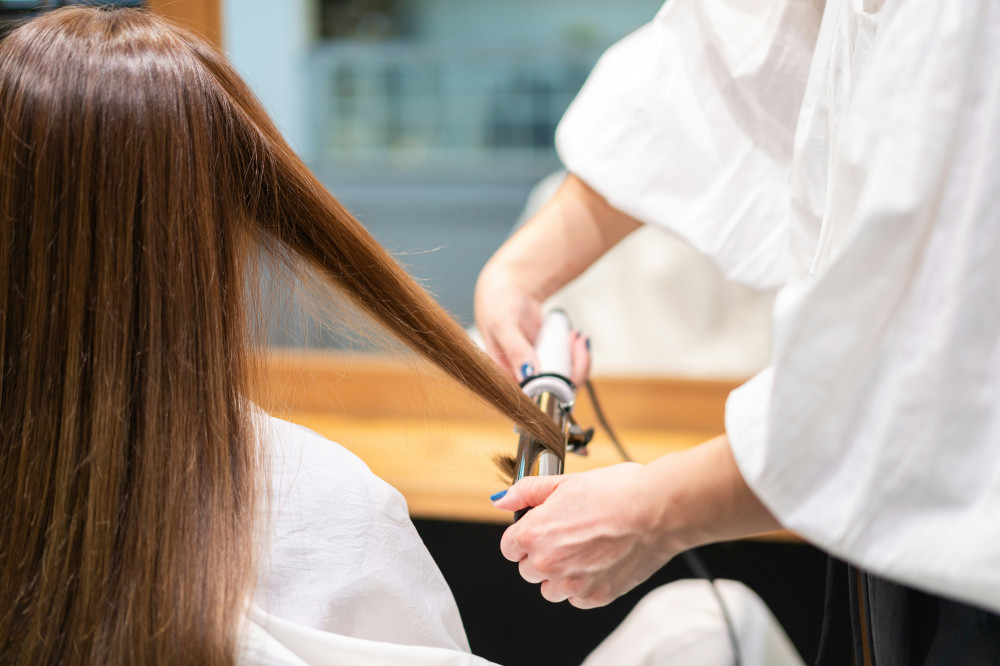
- Protect from heat: Always apply a heat protectant before blow-drying or using hot tools.
- Eat a balanced diet: Hair thrives on nutrients such as protein, iron, zinc, and vitamins like biotin and B12.
- Trim regularly: Keeping ends neat prevents split ends from traveling up the hair shaft.
A simple but effective habit is to massage your scalp regularly. This boosts circulation and can help keep follicles active longer.
Embracing Gray Hair
Once seen as a sign of aging, gray hair is now embraced by many as a stylish and empowering choice. With the right care, silver strands can look elegant and full of character. Use products designed for gray or silver hair—they help neutralize yellow tones and enhance brightness.
If you prefer to color your hair, opt for gentle, ammonia-free dyes or semi-permanent options that fade gradually. These are less damaging and can create a more natural look.
Læs også:
Healthy Hair at Every Age
Aging affects everyone differently, and that includes our hair. Some people notice only subtle changes, while others experience more dramatic shifts in texture or volume. The key is to adapt your hair care routine to meet your hair’s evolving needs—and to view these changes as a natural part of life.
With mindful care, good nutrition, and patience, your hair can maintain strength and shine well into later years. It’s not about turning back time—it’s about giving your hair the best possible conditions to thrive, at every age.
Læs også: