How to Use Heat Styling Tools Without Damaging Your Hair

How to Use Heat Styling Tools Without Damaging Your Hair
Flat irons, curling wands, and blow dryers are staples in many Americans’ beauty routines. They make it easy to achieve sleek, bouncy, or voluminous styles—but frequent heat styling can also take a toll on your hair. The good news? You don’t have to give up your favorite tools to keep your hair healthy. Here’s how to style with heat safely and effectively.
Understand What Heat Does to Your Hair
Hair is made of keratin, a protein that weakens when exposed to high temperatures. Once the heat exceeds about 350°F (180°C), the hair’s structure begins to change, and moisture evaporates from within the strand. Over time, this can lead to dryness, breakage, and dullness.
The key isn’t to avoid heat altogether but to use it wisely—by controlling temperature, protecting your hair, and giving it the care it needs afterward.
Always Use Heat Protectant
A heat protectant is your first line of defense. It forms a lightweight barrier around each strand, reducing direct heat exposure and moisture loss.
- Choose the right formula: A lightweight spray works well for fine hair, while creams or oils are better for thick or curly textures.
- Apply to damp hair: Distribute evenly before blow-drying, ensuring all sections are covered.
- Reapply if needed: If you plan to use a flat iron or curling wand after blow-drying, add a small amount of protectant again before styling.
Adjust the Temperature to Your Hair Type
Many styling tools can reach over 400°F, but that’s rarely necessary. Lower temperatures can deliver great results with far less damage.
- Fine or damaged hair: 250–300°F is usually enough.
- Normal hair: 300–350°F works well for most styles.
- Thick or coarse hair: 350–400°F may be needed, but use the higher range sparingly.
If your tool doesn’t have adjustable heat settings, consider upgrading to one that does. It gives you more control and helps prevent overheating.
Læs også:
Blow-Dry with Care
The blow dryer is often the first heat tool your hair encounters. Used correctly, it can actually enhance shine instead of causing dryness.
- Gently blot hair with a towel—don’t twist or wring it.
- Apply a heat protectant before drying.
- Keep the dryer about 6–8 inches from your hair and move it continuously.
- Use a nozzle attachment to direct airflow downward, which smooths the cuticle and adds shine.
- Finish with a blast of cool air to set your style.
Straightening and Curling Step by Step
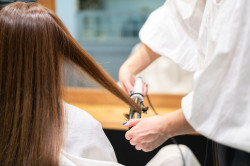
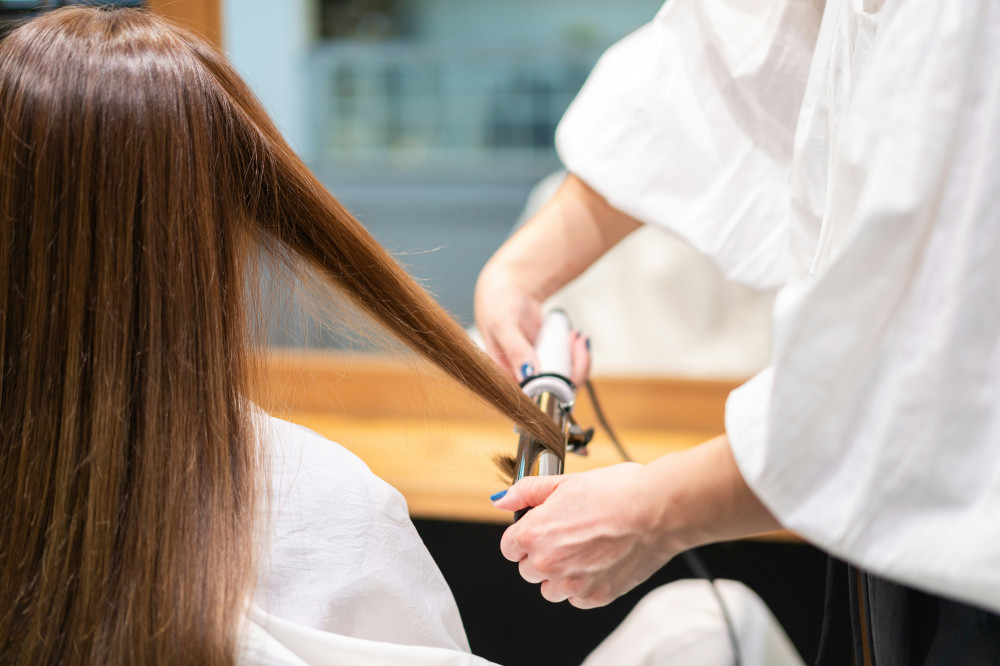
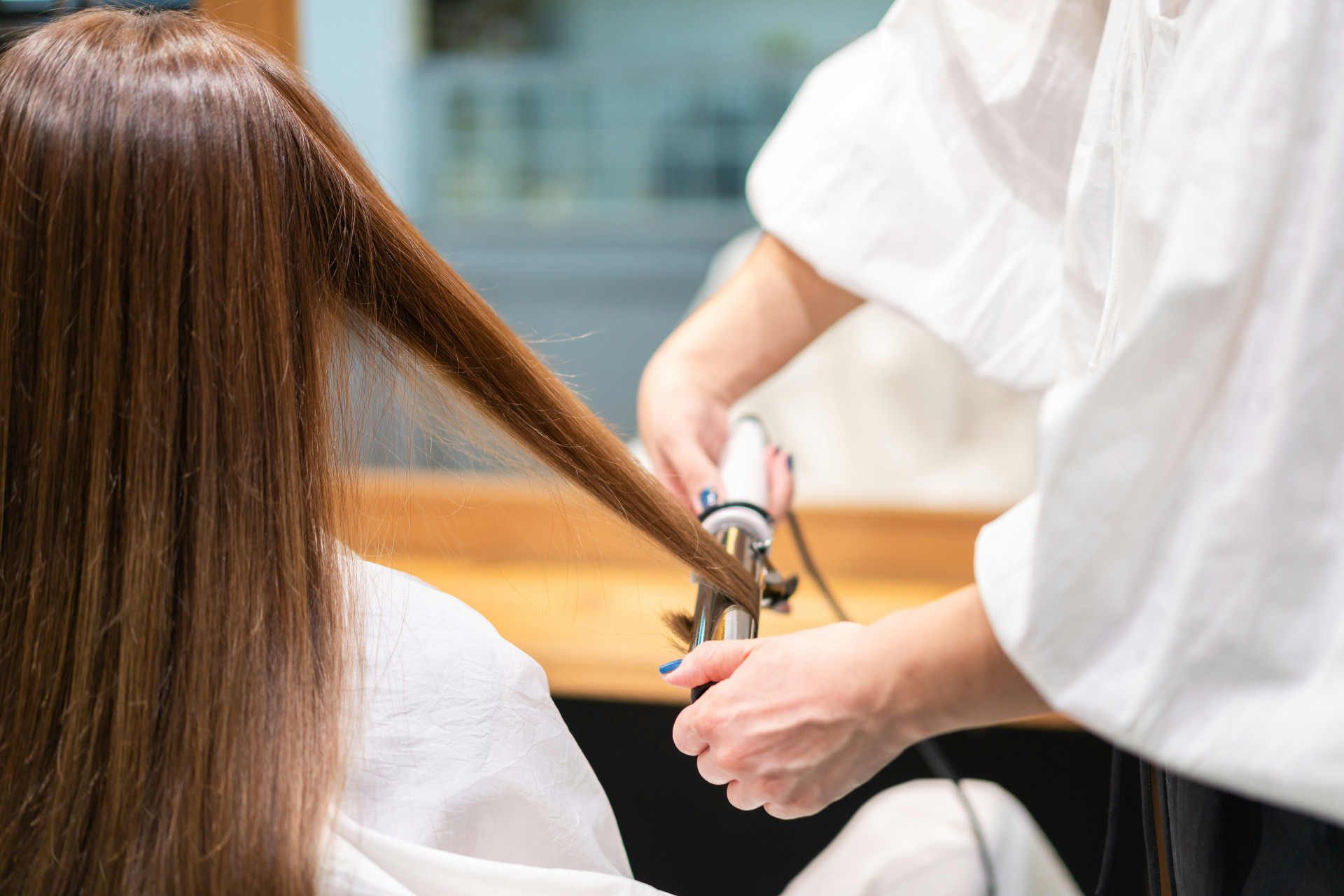
When using a flat iron or curling wand, technique matters just as much as temperature.
- Make sure your hair is completely dry. Heat on damp hair can cause severe damage.
- Work in sections. This ensures even styling and prevents you from going over the same area multiple times.
- Keep the tool moving. Don’t hold it in one spot—steady movement prevents hot spots and breakage.
- Let your hair cool. Before brushing or touching, allow curls or straightened sections to set.
Give Your Hair TLC and Time Off
Even with careful styling, your hair needs recovery time. Use a deep conditioning mask once or twice a week to restore moisture and strength. Look for ingredients like argan oil, coconut oil, or keratin to nourish and protect.
Try to schedule “heat-free days” when you let your hair air-dry or wear a low-maintenance style. This helps your hair regain its natural balance and resilience.
Invest in Quality Tools
Not all styling tools are created equal. High-quality flat irons and curling wands with ceramic, tourmaline, or titanium plates distribute heat evenly and reduce the risk of hot spots. Some advanced models even have sensors that adjust temperature automatically based on your hair’s condition.
While they may cost more upfront, they can save your hair from long-term damage—and save you money on repair treatments later.
Beauty Without Compromise
Using heat styling tools doesn’t have to mean sacrificing healthy hair. With the right preparation, temperature control, and aftercare, you can enjoy smooth, shiny, or perfectly curled styles without the damage. It’s all about balance—using heat as a tool to enhance your look, not harm your hair.
Læs også: